
Tajikistan Faces Debt Trap Amid Fragile Economic Boom
Tajikistan's rapid economic expansion masks a dangerous reliance on volatile foreign remittances and high-risk sovereign debt accumulation.
Geopolitical & Core Developments
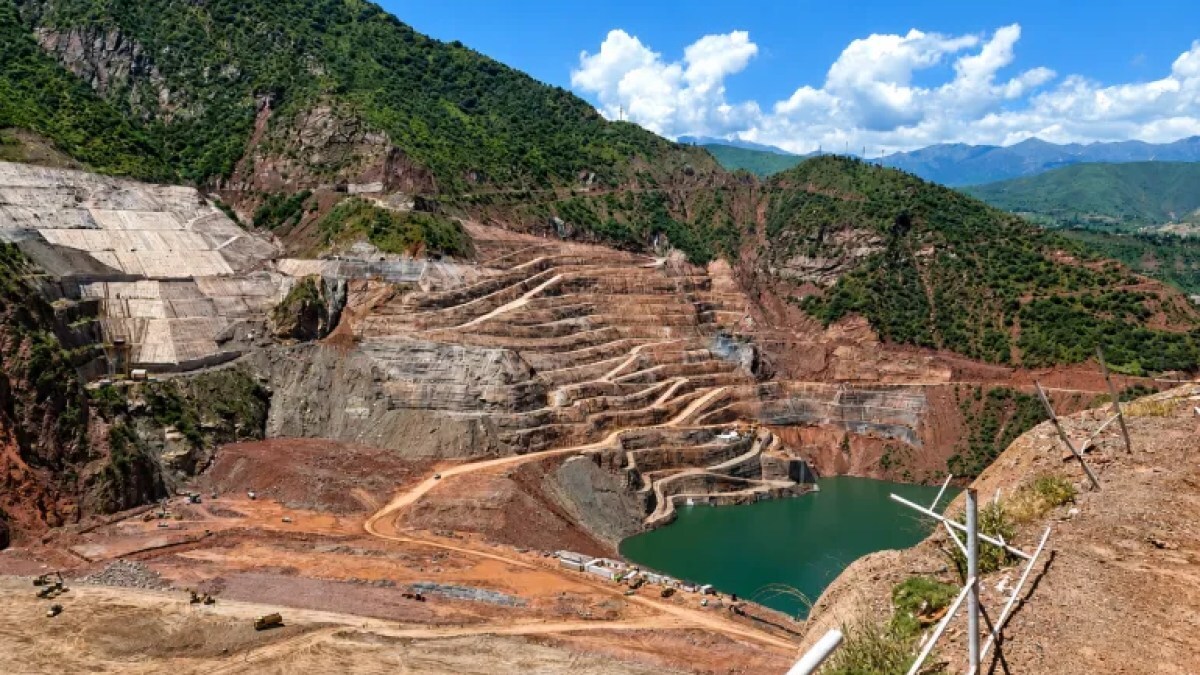
Tajikistan has registered impressive headline GDP growth figures in recent quarters, buoyed by state-led infrastructure projects and shifting regional trade patterns following the conflict in Ukraine. However, beneath the surface of this apparent economic boom lies a precarious fiscal architecture. The Dushanbe administration has increasingly leaned on external borrowing—predominantly from major bilateral creditors—to finance ambitious national modernization programs and mega-projects, most notably the Rogun Hydropower Plant.
Strategically located in Central Asia, Tajikistan’s governance model remains heavily centralized, with geopolitical maneuvering defined by balancing ties between traditional security partners like Russia, expanding trade integration with China, and cautious engagement with Western financial bodies. This delicate diplomatic balancing act directly influences the flow of foreign direct investment and development aid. Yet, the heavy reliance on external state debt threatens to compromise national sovereignty, limiting Dushanbe's policy autonomy as debt-servicing obligations expand. The structural reliance on foreign loans creates a fragile foundation for a state navigating complex regional security dynamics, including porous borders with Afghanistan and fluctuating diplomatic relations across the broader Eurasian landscape.
Global Trade & Economic Ripples
From a commercial perspective, Tajikistan's economic health is intrinsically tied to external macroeconomic shocks, particularly regarding labor migration and raw material exports. The nation's primary economic lifeline remains worker remittances—primarily from labor migrants working in the Russian Federation—which historically account for a massive share of the country's gross domestic product. Any contraction in the Russian labor market or depreciation of the ruble triggers an immediate crisis in domestic consumption and retail trade inside Tajikistan.
On the commodity front, Tajikistan is a significant exporter of primary aluminum and raw cotton, alongside critical minerals that feed into global industrial supply chains. However, transport bottlenecks, mountainous terrain, and landlocked geography restrict efficient integration into major Eurasian transit corridors, such as the Middle Corridor bypassing Russia. Currency pressures have also mounted, testing the stability of the Tajik somoni and complicating import financing for essential foodstuffs and manufactured goods. As global financing conditions tighten and borrowing costs rise internationally, Dushanbe's ability to roll over maturing sovereign obligations becomes increasingly constrained, raising the specter of severe liquidity stress that could ripple across regional Central Asian currency and banking markets.
Related Intelligence: Gaza Devastation Exposed as Three-Year Conflict Reshapes Regional Trade
International Reactions & Diplomatic Stances
Multilateral institutions, including the International Monetary Fund (IMF) and the World Bank, have repeatedly issued cautionary advisories regarding Tajikistan's public debt sustainability. While acknowledging the government's efforts to poverty reduction and infrastructure development, international technocrats emphasize that high risk of debt distress demands immediate fiscal consolidation and enhanced transparency in state-owned enterprise management.
Rating agencies and global market analysts point out that opaque procurement processes and contingent liabilities associated with large-scale state projects obscure the true fiscal deficit. Western diplomatic missions in Dushanbe have urged greater alignment with international transparency standards to unlock concessional financing rather than high-interest commercial debt. Conversely, alternative creditors have defended infrastructure investments as vital for long-term regional connectivity and energy independence. Nonetheless, consensus among foreign observers is growing: without structural reforms, anti-corruption enforcement, and diversification of economic drivers, Tajikistan risks entering a protracted structural slowdown once current construction cycles peak.
Strategic Outlook & Future Scenarios
Looking ahead, Tajikistan faces a narrow window to restructure its liabilities and avoid a sovereign liquidity crunch. Upcoming diplomatic summits involving Central Asian heads of state and international financial institutions will heavily feature discussions on sustainable debt management and regional energy grids. If Dushanbe successfully brings online major hydropower export capacity, electricity sales to neighboring Pakistan and Uzbekistan could generate steady foreign exchange earnings, mitigating external vulnerabilities.
However, failure to diversify export markets or address governance deficits could push the country toward severe debt restructuring negotiations. Geopolitical escalation points include potential tighter Western secondary sanctions compliance affecting regional trade intermediaries, as well as unpredictable shifts in Russian migration policies that could instantaneously slash household incomes. For global commodity traders and regional policymakers, Tajikistan serves as a bellwether for the broader vulnerabilities facing frontier economies caught between competing geopolitical poles and tightening global liquidity.
Join Our Official WhatsApp Channel
Receive live commodity alerts, policy changes, and commercial intelligence directly on WhatsApp.