
Sudan Humanitarian Truces Collapse as Factions Prioritize Territorial Gains
Sudan's humanitarian ceasefires collapse completely as military and paramilitary factions prioritize tactical battlefield victories, triggering severe regional instability and paralyzing vital commercial supply chains.
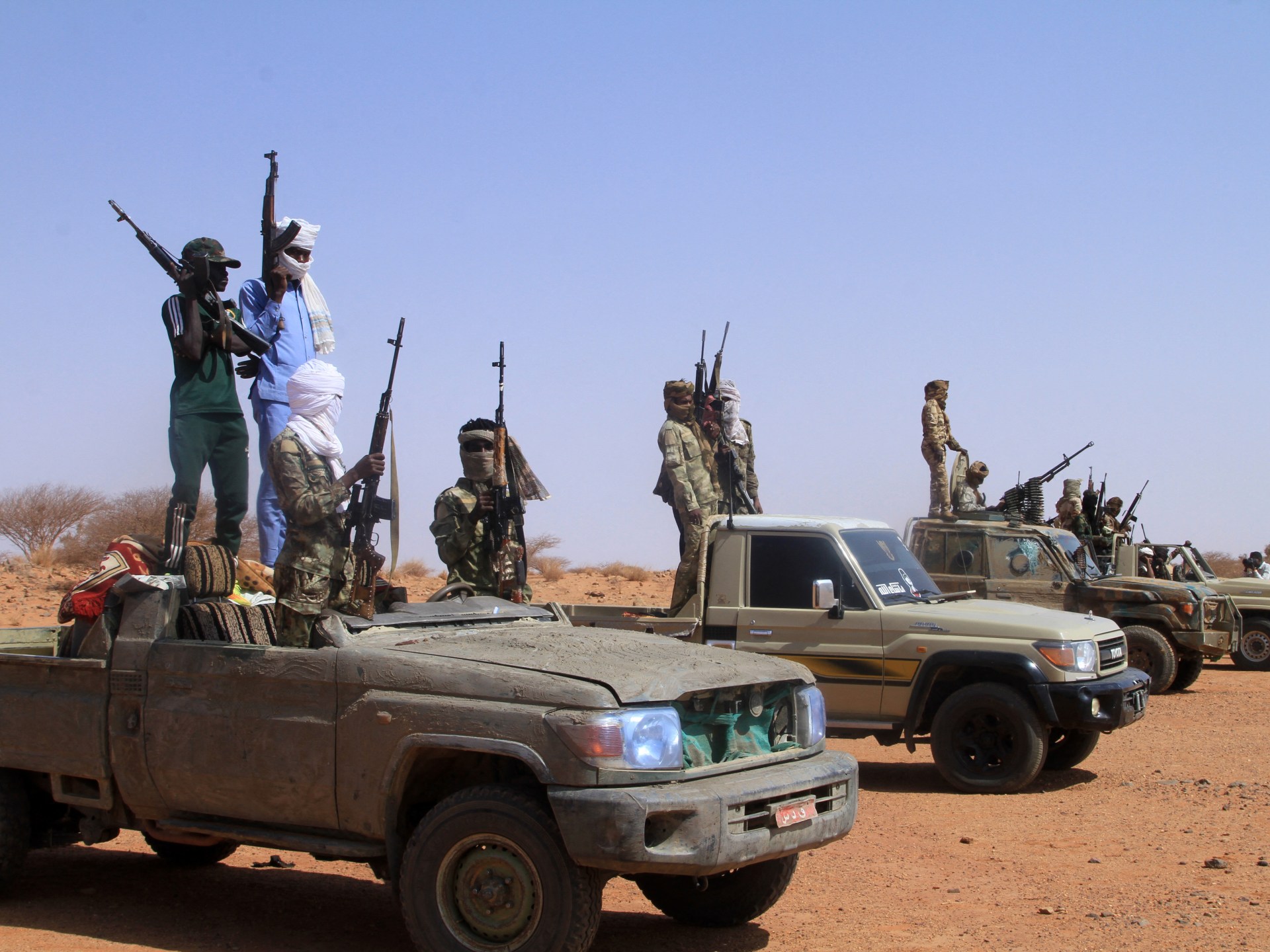
Geopolitical & Core Developments
The collapse of successive humanitarian truces in Sudan marks a critical inflection point in a devastating civil conflict that has fundamentally destabilized the Horn of Africa. The ongoing war, pitting the Sudanese Armed Forces (SAF) against the Rapid Support Forces (RSF), has systematically bypassed every international diplomatic framework designed to secure temporary ceasefires or safe corridors for civilian relief. Both factions continue to calculate that battlefield momentum offers superior leverage compared to negotiated settlements, rendering mediation efforts by regional blocs and Western capitals largely ineffective.
Strategic priorities for both military leaderships center on securing critical urban nodes, command infrastructure, and logistics corridors across Khartoum and the broader Darfur region. Despite repeated commitments brokered in regional capitals, field commanders consistently violate cessation agreements within hours of implementation. This pattern reflects a deep-seated distrust between the SAF and RSF leadership, where any pause in hostilities is viewed as an opportunity for the opposing force to rearm, regroup, and consolidate territorial gains. Consequently, the civilian population bears the brunt of an intractable conflict characterized by widespread displacement, systemic infrastructure destruction, and the total collapse of public health systems.
[Global Trade](/news/us-china-summit-strategic-impact-global-trade) & Economic Ripples
Beyond the immediate humanitarian catastrophe, the protracted paralysis in Sudan carries severe economic ramifications for global commodity markets and international trade routes. Sudan occupies a vital geopolitical nexus bordering the Red Sea, a critical maritime artery that handles a substantial percentage of global container traffic and energy shipments transiting the Suez Canal. The persistent instability threatens regional maritime security and increases insurance premiums for commercial vessels operating in adjacent waters.
Furthermore, Sudan is a significant regional producer of agricultural commodities, including sesame, gum arabic, and livestock, alongside notable gold mining operations that feed into international bullion markets. The disruption of agricultural harvesting, processing, and transport infrastructure has severely curtailed export volumes, driving up regional food prices and exacerbating supply deficits across the Middle East and North Africa. International traders face heightened counterparty risks, disrupted supply chains, and erratic commodity pricing as local currency devaluation and inflation spiral out of control within the domestic Sudanese economy.
Related Intelligence: Yemen Conflict Reshapes Global Maritime Security and Commodity Trade
International Reactions & Diplomatic Stances
The international community has expressed profound frustration over the persistent failure of humanitarian truces, with the United Nations Security Council repeatedly calling for an immediate, unconditional cessation of hostilities. Multilateral bodies have warned that the warring factions are driving millions toward catastrophic famine while ignoring international humanitarian law. However, diplomatic leverage remains constrained by divergent geopolitical interests among regional powers, some of which maintain covert channels of support or supply lines to the respective combatants.
Market analysts and geopolitical risk consultancies note that traditional diplomatic instruments, such as targeted economic sanctions and multilateral condemnation, have failed to alter the calculus of the battlefield commanders. Western governments are increasingly shifting their focus toward documenting human rights abuses and preparing accountability mechanisms, even as immediate diplomatic channels remain stalled. The African Union and the Intergovernmental Authority on Development continue to advocate for an inclusive, locally owned peace process, though persistent structural divisions among external mediators continue to dilute their collective effectiveness.
Strategic Outlook & Future Scenarios
Looking ahead, the trajectory of the Sudanese conflict points toward a protracted war of attrition, with neither the SAF nor the RSF possessing the decisive military superiority required to achieve total victory in the near term. This stalemate increases the probability of a de facto partition of the country along territorial lines controlled by respective armed groups, permanently fracturing the national economy and state institutions.
Upcoming international summits and donor conferences will likely focus on emergency resource mobilization rather than political resolutions, as the humanitarian deficit widens exponentially. Escalation points remain high, particularly if external state actors increase material support to either faction, potentially regionalizing a domestic conflict into a broader proxy war across East Africa and the Red Sea basin. For global enterprises and commodity markets, Sudan remains a high-risk jurisdiction requiring continuous supply chain mitigation and strategic decoupling from regional logistical vulnerabilities.
Join Our Official WhatsApp Channel
Receive live commodity alerts, policy changes, and commercial intelligence directly on WhatsApp.