
Greenland Accord Sparks Transatlantic Divide and Commodity Shifts
A landmark Greenland agreement has ignited intense political debate and strategic repositioning across global trade and energy markets ahead of anticipated leadership summits.
Geopolitical & Core Developments
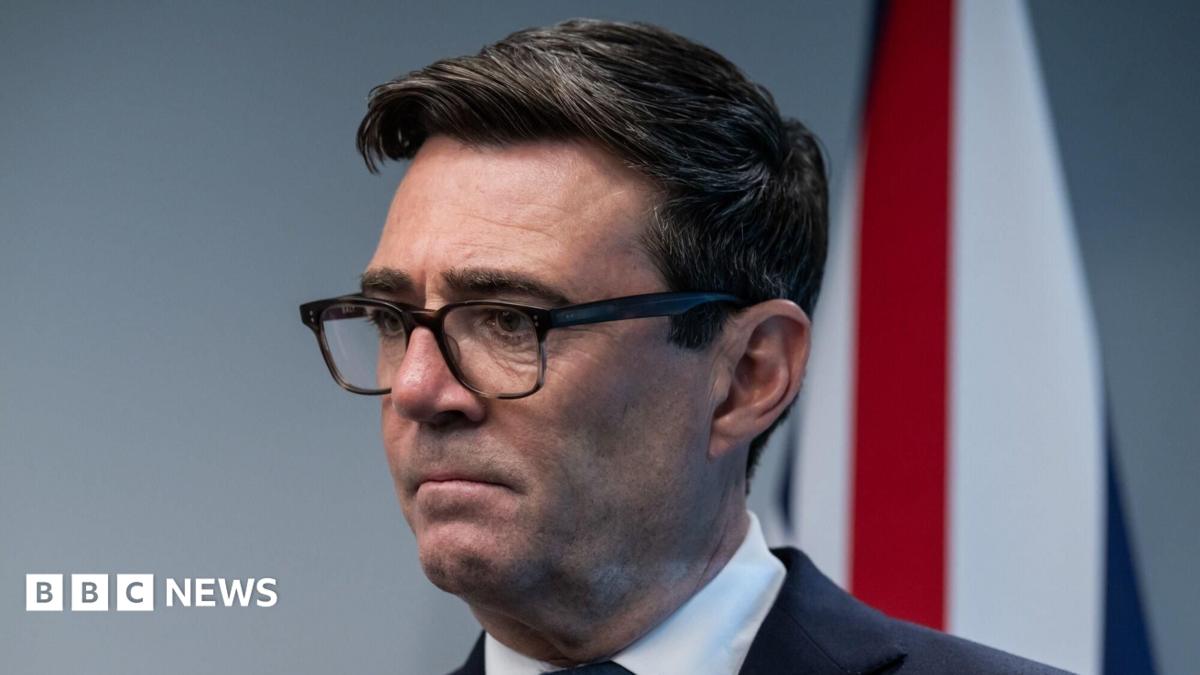
The recent diplomatic arrangement concerning Greenland has ignited a complex chain reaction across international capitals, setting a high-stakes stage for upcoming bilateral summits. State actors in North America and Europe are rapidly re-evaluating their diplomatic postures as the Arctic circle emerges as a central theater for geopolitical influence. The accord, which ostensibly aims to secure cooperative frameworks for resource development and regional defense, has immediately become a touchstone for domestic political sparring in the United Kingdom. While prominent figures such as Burnham have publicly hailed the diplomatic breakthrough as a pragmatic step forward in securing western strategic interests, opposition leaders have sharply contested its long-term viability. Liberal Democrat leader Ed Davey dismissed the pact as a superficial victory designed primarily for domestic political optics rather than substantive geopolitical stability. This friction underscores a broader transatlantic anxiety regarding the transactional nature of modern diplomacy and the shifting balance of power in the polar regions. As administrative teams prepare for high-level meetings between key western leaders and former US President Donald Trump, diplomatic corps are working overtime to harmonize competing national priorities. The core strategic stakes involve not only regional security architecture but also unfettered access to critical maritime passages that are becoming increasingly navigable due to changing environmental conditions. Consequently, the Greenland framework serves as both a bilateral checkpoint and a stress test for broader alliances, highlighting the delicate equilibrium required to manage overlapping sovereign claims and resource ambitions in the circumpolar north.
Global Trade & Economic Ripples
Beyond the immediate diplomatic maneuvers, the Greenland accord carries profound implications for global trade, energy markets, and international supply chains. The Arctic region is home to vast, largely untapped reserves of critical minerals, rare earth elements, and offshore hydrocarbons that are essential for the global green energy transition and advanced manufacturing sectors. As international consortiums eye these resource-rich territories, the framework agreement introduces new variables into long-term commodity pricing and investment security. Global energy markets are acutely sensitive to any realignment in Arctic governance, as stable regulatory environments are vital for multi-billion-dollar infrastructure projects spanning sub-sea pipelines and deep-water ports. Furthermore, the opening of northern shipping lanes—such as the Northwest Passage and the Northern Sea Route—promises to dramatically reduce transit times between Asian manufacturing hubs and European markets, fundamentally altering traditional maritime logistics and Suez Canal dependencies. However, these commercial opportunities are tempered by heightened insurance costs, geopolitical risk premiums, and potential regulatory fragmentation. Currency markets have also registered subtle ripples, with safe-haven assets experiencing volatility as traders price in the potential for renewed trade friction and sanctions rhetoric stemming from disputes over resource sovereignty. Multilateral trade bodies are closely monitoring these developments, recognizing that uncoordinated bilateral deals in strategic frontiers could undermine established international trade norms and spark protracted regulatory disputes.
Related Intelligence: Bannu Security Crisis Threatens Trade Routes and Regional Markets
International Reactions & Diplomatic Stances
International reaction to the Greenland framework has been characterized by cautious diplomacy and sharp ideological divisions among western allies. Multilateral organizations, including the United Nations and regional bodies, have emphasized the necessity of adhering to international law and environmental protection standards in any Arctic development initiative. Market analysts and geopolitical risk consultancies point out that the agreement reflects a growing trend toward minilateralism—where smaller groups of nations forge targeted pacts outside traditional comprehensive frameworks to address specific strategic vulnerabilities. European capitals are privately divided over whether the accord establishes a dangerous precedent of resource mercantilism or merely represents a necessary adaptation to aggressive great-power competition. Meanwhile, energy sector executives and mining conglomerates have responded with measured optimism, tempered by the reality that regulatory approval processes remain fraught with uncertainty. The divergence in domestic political commentary, exemplified by the clash between Burnham and Davey, mirrors a wider western debate over how to engage with populist, transactional foreign policies without compromising long-term multilateral cohesion. Diplomatic missions across the globe are currently drafting contingency assessments to prepare for potential shifts in US foreign policy, should upcoming meetings result in a more aggressive posture regarding Arctic commercial and security concessions.
Strategic Outlook & Future Scenarios
Looking ahead, the trajectory of the Greenland accord will largely be dictated by upcoming leadership summits and the outcomes of impending electoral cycles in key western democracies. Geopolitical escalation points remain concentrated around environmental governance, indigenous rights, and the militarization of Arctic sea lanes. If the current framework survives its initial political stress tests, it could serve as a blueprint for future resource-sharing agreements across the high north, institutionalizing a new era of competitive mercantilism. Conversely, failure to implement the accord harmoniously could accelerate trade disputes, complicate international shipping regulations, and provoke retaliatory tariff measures affecting key commodity sectors. As global powers brace for these structural shifts, Kalyar Traders World Desk will continue to monitor the intersection of Arctic diplomacy, commodity pricing, and supply chain resilience, keeping market participants informed of the shifting risks and opportunities in an increasingly volatile global economy.
Join Our Official WhatsApp Channel
Receive live commodity alerts, policy changes, and commercial intelligence directly on WhatsApp.