
Strait of Hormuz Tanker Attack Escalates Regional Maritime Security Risks
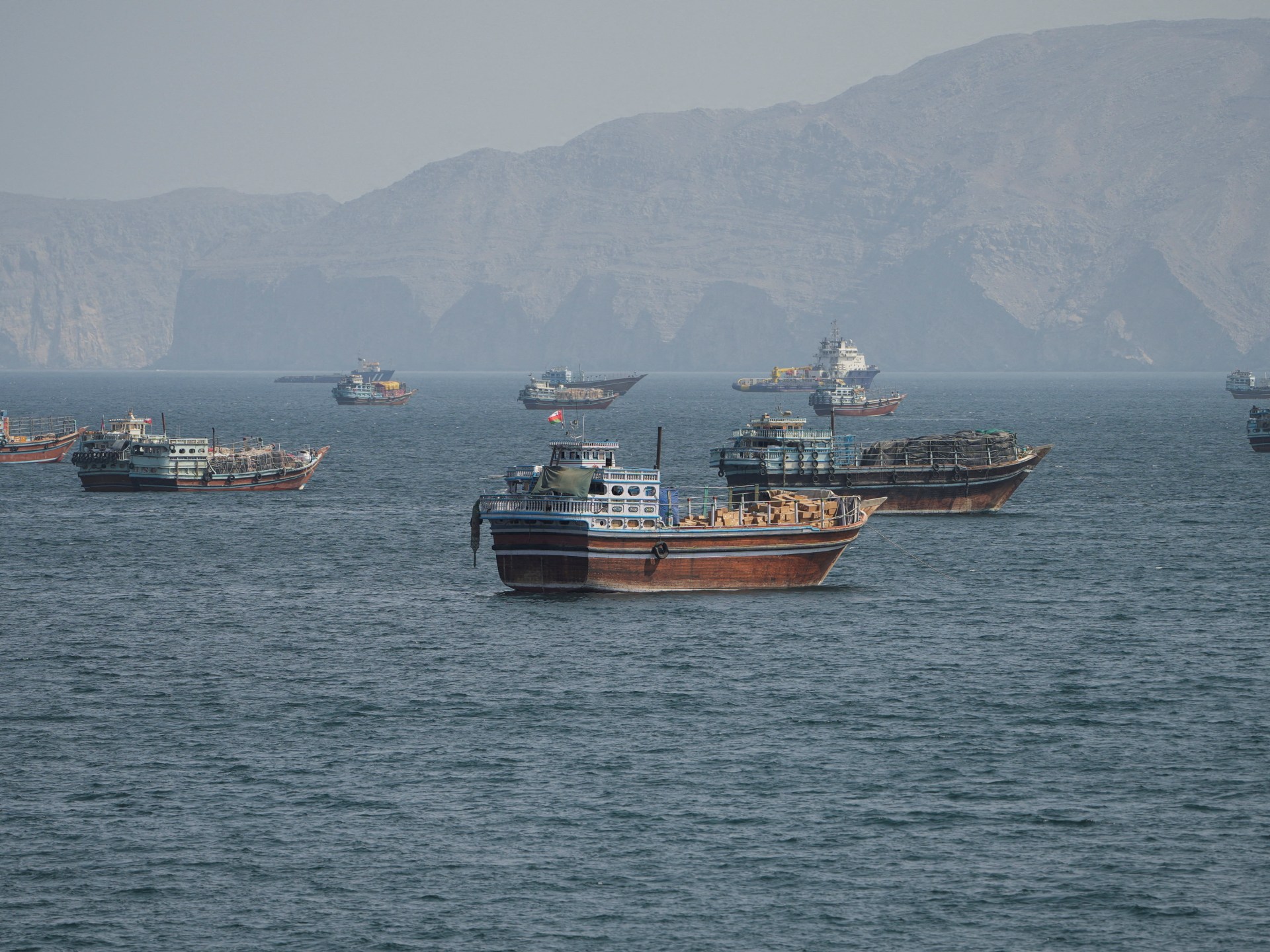
Oman's maritime rescue forces evacuate injured crew members from an attacked tanker in the Strait of Hormuz, triggering immediate shockwaves across global energy markets and heightening geopolitical tensions in vital shipping lanes.
Geopolitical & Core Developments
The geopolitical equilibrium of the Middle East faced a fresh stress test following a targeted maritime assault on the commercial tanker On Peace within the strategic confines of the Strait of Hormuz. Omani maritime authorities launched an immediate emergency response, deploying search-and-rescue assets to evacuate twelve critically injured crew members from the stricken vessel. Confirmation from India's Ministry of External Affairs revealed that eleven of the wounded sailors are Indian nationals, underscoring the acute vulnerability of South Asian labor forces operating within volatile geopolitical choke points.
The attack on the On Peace highlights a dangerous escalation in maritime security dynamics, occurring along a narrow maritime corridor through which roughly a fifth of the world's petroleum supply transits daily. While attribution remains under intense scrutiny by international naval intelligence agencies, the timing of the strike compounds existing anxieties regarding asymmetric warfare, state-sponsored maritime harassment, and the security of international commercial shipping. Military analysts note that the incident severely disrupts the fragile deterrence architecture maintained by regional and extra-regional naval coalitions operating in the Persian Gulf and the Gulf of Oman.
Global Trade & Economic Ripples
The immediate aftermath of the Strait of Hormuz incident sent immediate reverberations through international commodity markets, reinforcing the extreme fragility of global energy supply chains. Brent crude and West Texas Intermediate futures both registered notable upward ticks as algorithmic traders and institutional energy desks priced in an elevated premium for transit risk. Insurance underwriters specializing in marine hull and machinery coverage immediately moved to reassess war risk premiums for vessels navigating the Persian Gulf, directly inflating operational overheads for shipowners and charterers alike.
Beyond immediate petroleum pricing, the disruption threatens to cascade into broader dry bulk and liquefied natural gas shipping sectors. Global supply chain managers are once again forced to contemplate contingency routing, longer transit times, and inflated bunker fuel consumption should maritime operators deem the Strait of Hormuz excessively hazardous. For energy-importing economies across Asia and Europe, the incident serves as an unwelcome reminder of their systemic exposure to localized geopolitical flashpoints that possess the capacity to trigger global macroeconomic inflation.
Related Intelligence: Pakistan Warns India's Water Restrictions Threaten Regional Security
International Reactions & Diplomatic Stances
Global capitals responded with a flurry of diplomatic communiques and urgent security assessments. New Delhi voiced deep concern over the welfare of its citizens, with Indian diplomatic missions in Muscat and regional capitals coordinating closely with local authorities to ensure medical repatriation and safety guarantees for the surviving crew. The Ministry of External Affairs reiterated India's steadfast position on freedom of navigation and the imperative protection of merchant mariners operating in international waters.
Multilateral bodies, including the International Maritime Organization, issued stern reminders regarding the absolute inviolability of commercial shipping under international law. Western and regional security partners condemned the escalation, calling for unhindered passage through international straits and urging restraint from all state and non-state actors operating in the region. Meanwhile, energy market analysts and shipping associations convened emergency consultations to evaluate the necessity of upgrading security protocols for commercial fleets traversing the Arabian Sea and adjacent waters.
Strategic Outlook & Future Scenarios
Looking ahead, the On Peace incident is projected to permanently alter the risk calculus for maritime operators in the Middle East. Governments and naval coalitions are anticipated to recalibrate their patrol patterns and intelligence-sharing mechanisms to deter future attacks on civilian vessels. Upcoming diplomatic summits are expected to place heightened emphasis on maritime security cooperation, naval escorts, and crisis communication channels to prevent localized skirmishes from spiraling into broader regional military confrontations.
Sanctions enforcement and diplomatic pressure on suspected instigators are likely to intensify in the coming weeks, as international regulators seek to curb illicit financial flows supporting asymmetric maritime capabilities. Ultimately, the episode serves as a stark warning that global economic stability remains inextricably linked to the security and predictability of narrow oceanic transit corridors.
Join Our Official WhatsApp Channel
Receive live commodity alerts, policy changes, and commercial intelligence directly on WhatsApp.