
Sri Lanka Mass Grave Discovery Resurfaces Civil War Legacies
The accidental discovery of 572 human remains in northern Sri Lanka reignites international scrutiny over wartime atrocities and deepens the country's complex transitional justice crisis.
Geopolitical & Core Developments
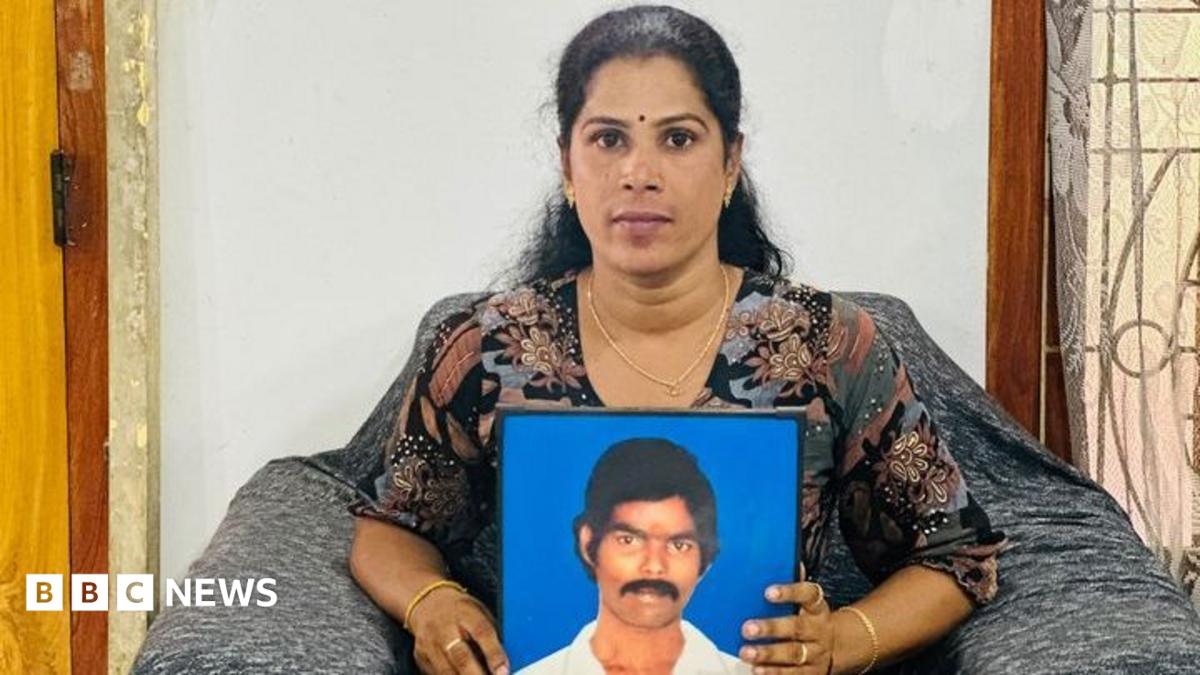
Construction workers in northern Sri Lanka have accidentally uncovered what forensic experts have confirmed as the nation's largest single mass grave, unearthing the remains of 572 individuals. The grim discovery in the former conflict zone has immediately reopened profound historical wounds from the island nation's decades-long ethnic civil war, which concluded in May 2009. The site, located in a region heavily militarized during the final phases of the conflict between the Liberation Tigers of Tamil Eelam (LTTE) and the Sri Lankan state, has become the focal point of intense domestic grief and international scrutiny. Local authorities, operating under judicial oversight, have commenced slow, meticulous excoavations, but the sheer scale of the site threatens to overwhelm local forensic capacities. For years, families of the disappeared have demanded accountability for tens of thousands of individuals who vanished during and immediately after the civil war. This physical evidence shatters the fragile narrative of closure that successive governments in Colombo have attempted to project onto the international stage, complicating current diplomatic efforts to stabilize the nation's governance structures.
Global Trade & Economic Ripples
While the discovery is fundamentally a humanitarian and human rights crisis, its economic and commercial implications for Sri Lanka are substantial. International trade, foreign direct investment (FDI), and bilateral financial assistance are increasingly tied to governance standards, human rights compliance, and transparency. Sri Lanka remains in a delicate economic recovery phase following its historic sovereign debt default and subsequent International Monetary Fund (IMF) bailout. Global markets, institutional investors, and multilateral lenders monitor domestic stability closely. Any escalation in civil unrest, renewed ethnic polarization, or heavy-handed state responses to protests led by families of the missing could deter foreign capital inflows. Furthermore, potential trade preferential schemes, such as the European Union's GSP+ tariff concessions, which are conditional on Sri Lanka's adherence to international human rights conventions, could face renewed scrutiny in Brussels and Geneva if accountability measures falter. Global supply chains operating through South Asian maritime corridors depend on regional stability, making internal political friction a persistent risk factor for commercial shipping and regional economic integration.
Related Intelligence: Bannu Security Crisis Threatens Trade Routes and Regional Markets
International Reactions & Diplomatic Stances
The international community has responded to the discovery with a mixture of solemn condemnation and renewed demands for independent investigations. Officials from the United Nations Human Rights Council (UNHRC) have reiterated calls for international forensic assistance and transparent judicial processes, emphasizing that domestic mechanisms have historically failed to deliver credible accountability. Western capitals, including Washington, London, and Brussels, have issued diplomatic statements urging the Colombo administration to secure the site and guarantee the safety of human rights defenders, legal representatives, and families of the victims. Conversely, regional powers and key economic partners are watching cautiously to ensure that the domestic political fallout does not derail ongoing debt restructuring agreements or strategic infrastructure projects. Human rights organizations globally have mobilized to demand that international forensic experts be granted unrestricted access to the site to ensure scientific integrity and prevent the tampering of crucial evidence that could be used in future war crimes tribunals.
Strategic Outlook & Future Scenarios
As the exhumation process continues, the trajectory of Sri Lanka's domestic politics and foreign relations hangs in the balance. The upcoming election cycles and legislative sessions will test the government's willingness to address historical grievances transparently. If Colombo embraces international forensic cooperation and transparent accountability, it may successfully reassure foreign partners and mitigate severe reputational damage. However, a defensive or obstructive posture risks triggering fresh diplomatic resolutions at the UNHRC, potential targeted sanctions against responsible military figures, and a deterioration of investor confidence. For international businesses navigating the South Asian market, Sri Lanka represents a high-risk, high-volatility environment where domestic human rights dynamics can rapidly translate into commercial and regulatory disruption. The mass grave is not merely a dark relic of the past, but a defining variable in Sri Lanka's modern geopolitical alignment and economic survival.
Join Our Official WhatsApp Channel
Receive live commodity alerts, policy changes, and commercial intelligence directly on WhatsApp.