
Spanish Political Crisis Triggers Snap Election After Housing Rejection
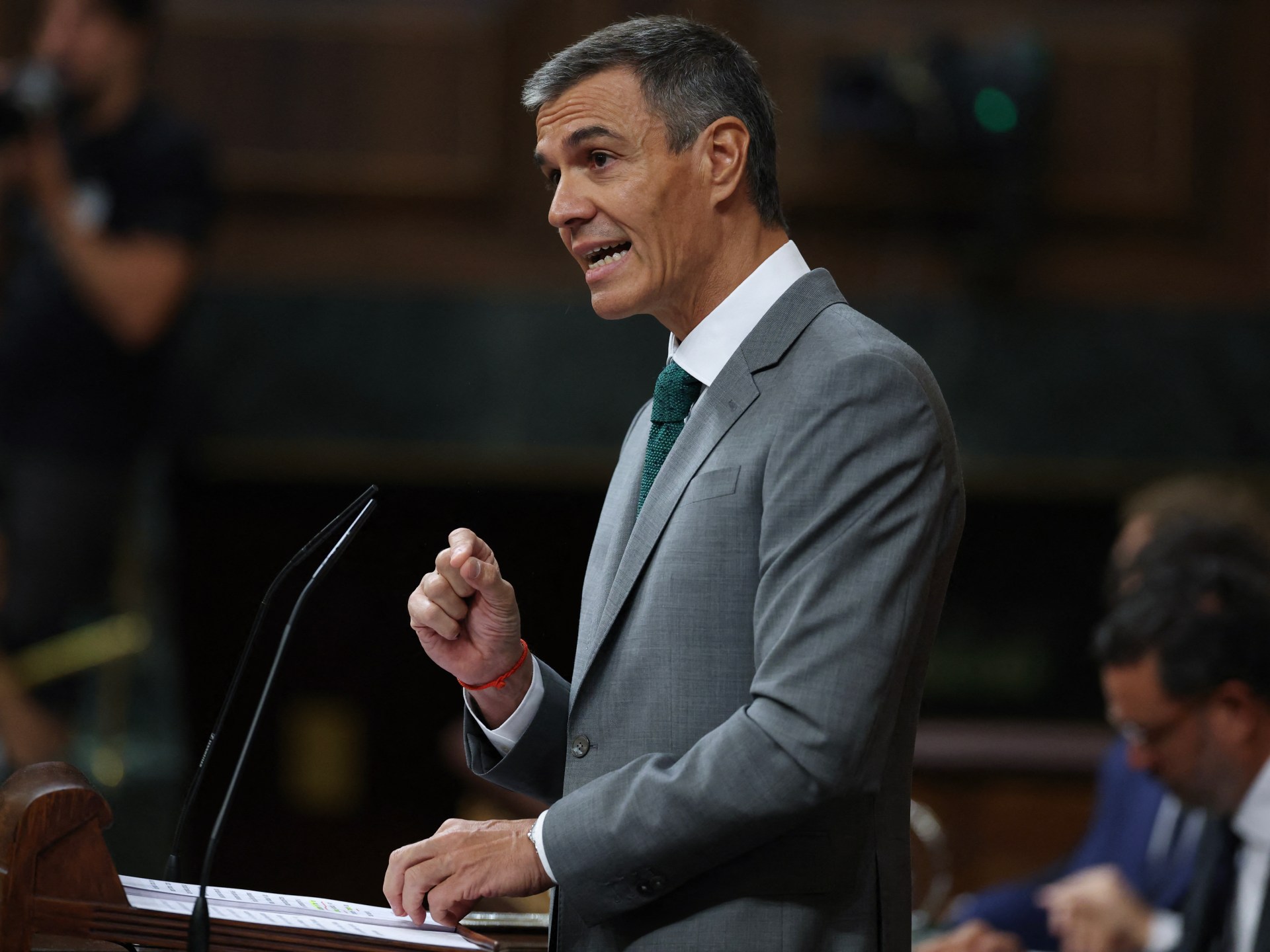
Spanish Prime Minister Pedro Sanchez has called a snap general election after parliament rejected his minority government's crucial housing relief proposals, creating fresh political uncertainty across the eurozone.
Geopolitical & Core Developments
Spanish Prime Minister Pedro Sanchez has formally announced a snap general election following a severe legislative defeat in parliament, where lawmakers decisively rejected his minority government's comprehensive housing relief measures. The unexpected political crisis erupted after months of escalating tensions within the ruling coalition and fierce opposition from conservative and regional parties. Sanchez, facing a gridlocked legislature that refused to pass critical social welfare and market intervention policies, chose to dissolve parliament and return the mandate directly to the Spanish electorate. This high-stakes political gamble marks a pivotal moment for the Iberian nation, testing public sentiment amid persistent cost-of-living pressures and intense debates over housing affordability. State actors across the European Union are closely monitoring the domestic upheaval, as Spain remains a central pillar of southern European stability and economic governance.
Global Trade & Economic Ripples
The sudden political vacuum in Madrid has sent immediate ripples through European financial markets, raising concerns over the continuity of Spain's broader economic reforms. While direct impacts on global energy markets remain muted, Spanish sovereign bonds and domestic banking equities experienced heightened volatility as traders priced in political risk. The rejected housing relief package, designed to cap escalating rental costs and inject state capital into affordable housing developments, was viewed by international investors as a barometer of the government's fiscal trajectory. Furthermore, prolonged political instability risks delaying the implementation of structural reforms tied to vital European Union NextGenerationEU recovery grants. Supply chain logistics, commercial real estate valuations, and cross-border lending within the Eurozone could face renewed downward pressure if the upcoming electoral cycle results in a protracted hung parliament or an unstable coalition.
Related Intelligence: Federal Government Warns Over Security Risks Amid KP Political Crisis
International Reactions & Diplomatic Stances
Multilateral bodies and international financial institutions have responded to the Spanish crisis with cautious watchfulness. Brussels officials emphasized the necessity of fiscal discipline and policy continuity, particularly regarding Spain's commitments to deficit reduction and green transition targets. Market analysts from major global investment banks note that foreign direct investment into the Spanish renewable energy and infrastructure sectors could experience a temporary holding pattern until a decisive government emerges from the ballot box. Meanwhile, neighboring European capitals have expressed confidence in the resilience of Spanish democratic institutions, while privately acknowledging that a shift in Madrid's political leadership could alter the balance of power within the European Council on critical legislative files ranging from fiscal rules to housing subsidies.
Strategic Outlook & Future Scenarios
As Spain prepares for an accelerated electoral campaign, political analysts are mapping out several high-probability scenarios. A victory for the conservative opposition Partido Popular, potentially reliant on the far-right Vox party, could signal a sharp reversal of Sanchez's progressive social and market interventionist policies. Conversely, a renewed mandate for the left-wing bloc would likely perpetuate the legislative gridlock that precipitated the current crisis. Upcoming European summits and eurozone finance ministerial meetings will serve as critical barometers for investor confidence. Geopolitical escalation points will likely center on how the next administration handles soaring inflation, European regulatory compliance, and mounting social demands for structural market reforms, establishing a definitive tone for southern European economic health well into the next decade.
Join Our Official WhatsApp Channel
Receive live commodity alerts, policy changes, and commercial intelligence directly on WhatsApp.