
Pakistan Deploys Low-Cost Net Defenses Against Militant Drone Strikes
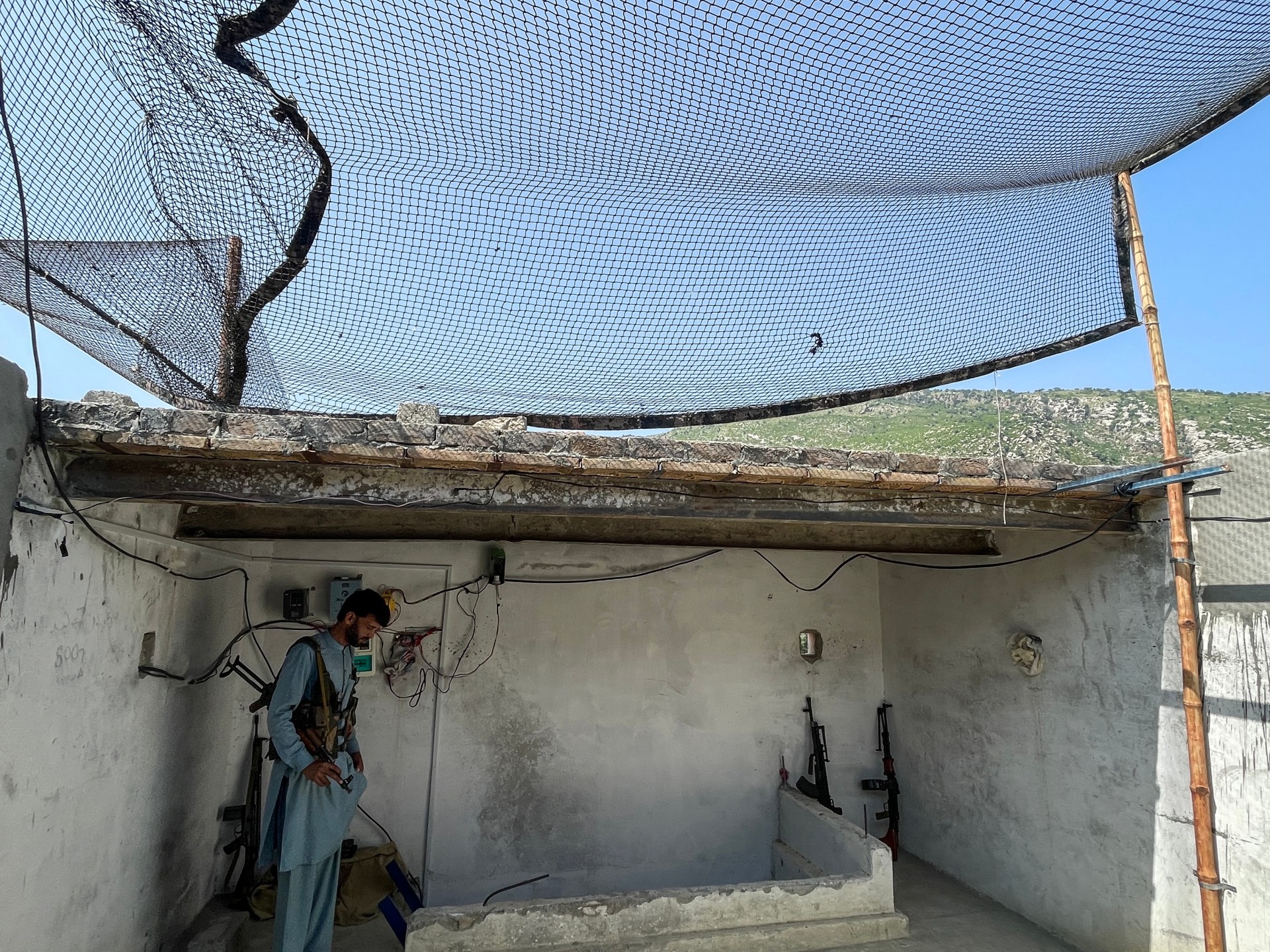
Pakistan has introduced overhead fishing nets at sensitive security outposts to counter rising armed drone attacks by militant groups, highlighting the urgent adaptation to asymmetrical aerial warfare.
Geopolitical & Core Developments
In a striking adaptation to modern asymmetric warfare, security forces in Pakistan have begun stringing heavy-duty fishing nets several meters overhead at vulnerable outposts to block incoming explosive-laden drones. This improvised tactical defense represents a pragmatic, low-cost countermeasure deployed in sensitive border regions and volatile districts increasingly targeted by insurgent factions. The proliferation of commercially available unmanned aerial vehicles (UAVs) has fundamentally altered the tactical calculus for conventional military forces across South Asia. Armed groups have successfully leveraged off-the-shelf drone technology to conduct targeted strikes against state installations, bypassing traditional perimeter security. By suspending physical barriers above strategic outposts, security planners aim to disrupt the trajectory and detonation mechanisms of hostile drones before they can strike personnel or critical infrastructure. This development underscores the escalating frequency of aerial incursions in South Asia and the continuous cat-and-mouse game between state security apparatuses and adaptive non-state actors operating within porous borderlands.
Global Trade & Economic Ripples
While the deployment of fishing nets as anti-drone barricades is a localized tactical maneuver, the underlying security deterioration carries significant implications for regional commerce, supply chain resilience, and cross-border trade corridors. Persistent instability in Pakistan's frontier regions directly threatens critical transit routes, including sections of the China-Pakistan Economic Corridor (CPEC). Disruptions to these vital arteries can delay the movement of raw materials, manufactured goods, and energy supplies destined for domestic and international markets. Furthermore, heightened security risks inflate logistics and insurance costs for commercial operators traversing volatile zones, ultimately feeding into inflationary pressures on regional commodity prices. Global investors monitor such security adaptations closely, as they reflect deep-seated geopolitical frictions that can destabilize local currencies, deter foreign direct investment, and complicate broader economic stabilization programs supported by international financial institutions.
Related Intelligence: Security Forces Eliminate Three Terrorists in Dera Ismail Khan Operation
International Reactions & Diplomatic Stances
Regional neighbors and international security analysts have observed Pakistan's low-cost defensive innovation with a mixture of professional interest and strategic concern. Multilateral bodies monitoring the proliferation of weaponized UAVs note that the adaptation exposes the widening gap between high-tech asymmetric threats and conventional defense procurement cycles. Defense attachés and counter-terrorism experts point out that while physical netting provides a rudimentary stopgap against low-flying quadcopters, it also illustrates the limitations of electronic warfare systems in resource-constrained environments. Western defense analysts emphasize that sustainable security in South Asia requires deeper regional cooperation, intelligence sharing, and stricter export controls on dual-use commercial drone components. Meanwhile, domestic political stakeholders remain divided, with critics questioning the long-term efficacy of makeshift fortifications against increasingly sophisticated insurgent capabilities.
Strategic Outlook & Future Scenarios
Looking ahead, the use of physical barriers like overhead nets is expected to serve as a temporary bridge while military authorities seek more advanced, layered anti-drone architectures, including radio-frequency jammers and kinetic interception systems. However, procurement bottlenecks and budgetary constraints may force security forces to rely on decentralized, low-tech solutions in the near term. As militant groups continue to refine their drone tactics—potentially integrating thermal imaging, autonomous navigation, or swarming capabilities—the security paradigm across South Asia's borderlands will remain under intense pressure. Upcoming regional security dialogues and bilateral intelligence summits will likely focus on mitigating the cross-border flow of illicit drone technology, shaping the future trajectory of counter-insurgency operations and commercial security across the region.
Join Our Official WhatsApp Channel
Receive live commodity alerts, policy changes, and commercial intelligence directly on WhatsApp.