
Spanish Housing Crisis Deepens Following Death of Evicted Pensioner
The death of 87-year-old Maricarmen Abascal following a controversial eviction has galvanized nationwide protests in Spain, heightening political debate over European urban housing security and vulnerable demographic protections.
Geopolitical & Core Developments
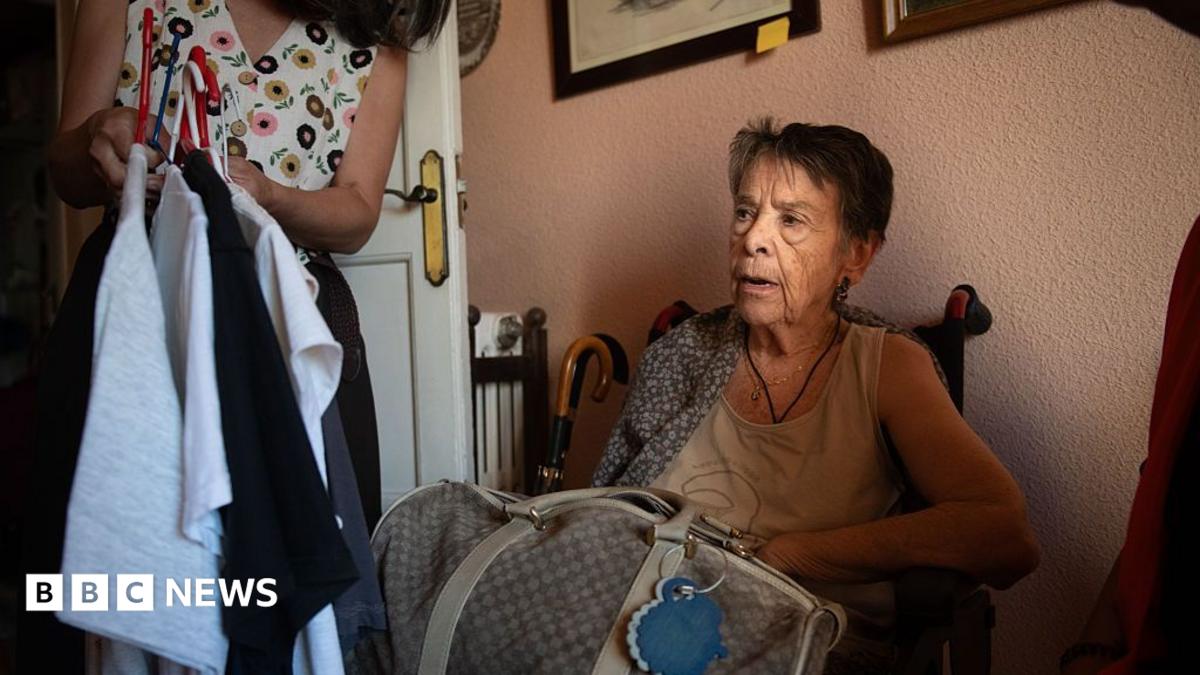
The tragic passing of 87-year-old Maricarmen Abascal has sent shockwaves through the Iberian Peninsula, transforming a localized housing dispute into a watershed national crisis. Abascal, who had resided in her Madrid apartment for more than seventy years, was forcibly removed on a stretcher last September amidst mounting execution orders from local magistrates. Housing rights organizations, spearheaded by tenants' unions and civil society coalitions, confirmed her death following months of declining health accelerated by the trauma of displacement.
The event has laid bare the deep structural vulnerabilities within Spain's urban real estate market, where soaring rental costs, unregulated short-term holiday rentals, and institutional investor acquisitions have systematically priced out fixed-income pensioners. The timeline of her removal, captured vividly by domestic and international media, triggered immediate demonstrations across major Spanish urban centers, including Barcelona, Valencia, and Seville. State actors and municipal authorities now face intense scrutiny over the adequacy of social safety nets designed to protect elderly citizens from aggressive property speculation and speculative redevelopment schemes.
Global Trade & Economic Ripples
While ostensibly a domestic social and legal matter, the systemic failures highlighted by Abascal's eviction resonate deeply within the broader architecture of European macroeconomic stability. Real estate inflation and residential affordability crises across Southern Europe directly influence domestic consumer confidence, household debt burdens, and disposable income allocation. As European Union member states grapple with persistent inflationary pressures, housing costs have emerged as a primary driver of core inflation indices, constraining central bank monetary policy maneuvers.
Furthermore, the political fallout from housing instability threatens to alter regulatory frameworks for foreign direct investment in Spanish and Mediterranean commercial and residential property. Institutional funds, private equity firms, and cross-border real estate conglomerates operating within the Eurozone face potential legislative tightening, mandatory social housing quotas, and increased taxation on vacant properties. These regulatory shifts could recalibrate capital flows within European property markets, altering valuation metrics and yield expectations for international investors managing diversified asset portfolios.
Related Intelligence: El Salvador Mass Trials Threaten Foreign Investment and Legal Stability
International Reactions & Diplomatic Stances
International observers, human rights organizations, and European Union parliamentary representatives have monitored the unfolding social unrest with mounting concern. Civil rights agencies have increasingly framed the right to housing as a fundamental human right under international law, placing pressure on national governments to harmonize property enforcement laws with international social charters. Market analysts at leading global financial institutions have issued advisory notes highlighting the political risk premium associated with escalating social polarization in Southern Europe.
Domestic political discourse has fractured along ideological lines, with progressive coalitions demanding emergency legislative intervention to cap rental price surges and suspend vulnerable evictions indefinitely. Conversely, conservative factions and property owner associations emphasize the necessity of contractual sanctity and legal certainty to maintain construction sector investment and banking sector stability. The European Commission has refrained from direct intervention but continues to track regional adherence to social cohesion objectives tied to post-pandemic recovery funding allocations.
Strategic Outlook & Future Scenarios
Looking ahead, the death of Maricarmen Abascal is expected to serve as a rallying point for upcoming legislative battles in the Spanish parliament and broader European municipal forums. Upcoming national summits addressing urban planning and demographic resilience will likely incorporate stricter tenant protection mechanisms to mitigate the risk of wider social unrest. Failure by policymakers to adequately address the structural drivers of housing unaffordability risks prolonged industrial action, municipal gridlock, and further erosion of public trust in democratic institutions across the region.
Join Our Official WhatsApp Channel
Receive live commodity alerts, policy changes, and commercial intelligence directly on WhatsApp.