
US Election Trust Crisis Threatens Global Market Stability
A recent Gallup survey exposes a historic partisan divide in US election trust, creating potential ripple effects for international financial markets and global geopolitical stability.
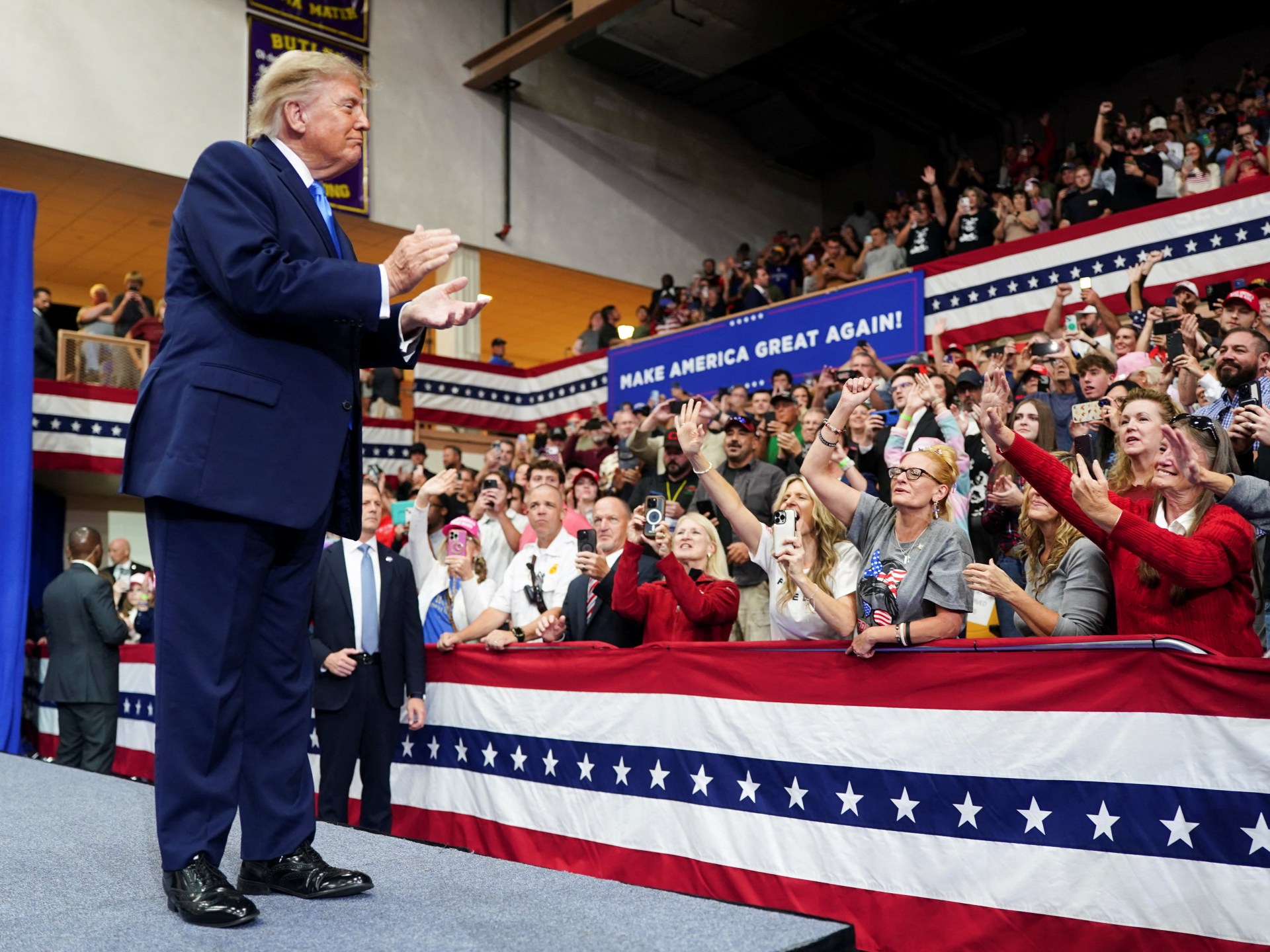
Geopolitical & Core Developments
Recent data released by the Gallup organization highlights a profound and historic partisan divergence regarding confidence in the integrity of United States elections. While foundational to the global perception of democratic stability, the integrity of the American electoral apparatus is increasingly viewed through an entrenched partisan lens. According to the poll, trust among Republicans and independent voters has plummeted to historic lows, contrasting sharply with the sustained confidence reported among registered Democrats. This widening domestic chasm transcends ordinary political rivalry, evolving into a structural vulnerability that international observers and foreign ministries monitor with mounting apprehension.
From a diplomatic standpoint, the perceived fragility of American democratic institutions diminishes Washington's moral authority in multilateral fora. Adversarial nation-states, including Russia and China, routinely exploit internal fractures within Western democracies to deflect international criticism regarding their own governance models. The erosion of domestic faith in electoral outcomes introduces a layer of unpredictability into US foreign policy, as incoming administrations may face perpetual legitimacy challenges from domestic opponents, thereby hampering consistent, long-term international commitments and multilateral treaty compliance.
Global Trade & Economic Ripples
International commodity markets and multinational corporations are increasingly sensitive to political stability within the world's largest economy. A prolonged crisis of confidence in the US electoral system carries direct implications for global trade, currency valuations, and capital allocation. Institutional investors, sovereign wealth funds, and rating agencies are beginning to price domestic US political polarization as a material systemic risk. Any systemic disruption or disputed transition of power in Washington would instantly trigger volatility across global foreign exchange markets, threatening the preeminent status of the US dollar as the world's primary reserve currency.
Furthermore, uncertainty surrounding future regulatory and fiscal regimes directly impacts cross-border energy investments and global supply chains. Commodities such as crude oil, industrial metals, and agricultural futures are closely tied to the predictability of US trade policies. If domestic political fragmentation leads to erratic trade policy shifts, protectionist measures, or executive gridlock, global trade flows will experience heightened friction. Multinational firms operating across international jurisdictions are consequently hedging against potential legislative paralysis and sudden regulatory pivots originating from Washington.
Related Intelligence: Houthi Airport Attacks Spark Gulf Security and Trade Alarm
International Reactions & Diplomatic Stances
Global financial analysts and international bodies have expressed quiet concern over the trajectory of American domestic politics. While foreign ministries remain circumspect, adhering to diplomatic protocols of non-interference in internal affairs, multilateral economic institutions such as the International Monetary Fund and the World Bank have repeatedly warned that advanced economies are not immune to governance-related market shocks. Equity strategists in London, Frankfurt, and Tokyo note that international capital markets are beginning to factor a 'governance discount' into American equities and government debt instruments.
Trade partners across Europe and Asia are simultaneously evaluating contingency plans to insulate their respective economies from potential spillover effects. European Union trade officials emphasize the necessity of transatlantic regulatory alignment independent of electoral cycles, aiming to safeguard vital supply chains and green transition initiatives from domestic political turbulence in the United States.
Strategic Outlook & Future Scenarios
Looking ahead, the persistent erosion of trust in US electoral integrity sets a precarious precedent for upcoming legislative and presidential cycles. The primary strategic risk involves a scenario where contested outcomes paralyze federal budget negotiations or delay critical national security appropriations, generating immediate knock-on effects across global defense and trade networks. Sanctions enforcement, international climate agreements, and multilateral trade pacts remain uniquely vulnerable to shifting domestic priorities driven by polarized legislative bodies.
Global market participants must prepare for an era where American domestic political friction routinely introduces exogenous shocks into international commerce. As strategic competition intensifies globally, the internal cohesion and institutional resilience of the United States will remain a decisive variable in the architecture of international security and global economic prosperity.
Join Our Official WhatsApp Channel
Receive live commodity alerts, policy changes, and commercial intelligence directly on WhatsApp.