
South China Sea Tensions Escalate as Chinese Vessel Collides with Philippine Ship
A maritime collision off Palawan province involving Chinese and Philippine government vessels has sharply elevated geopolitical tensions, unsettling global maritime trade routes across the South China Sea.
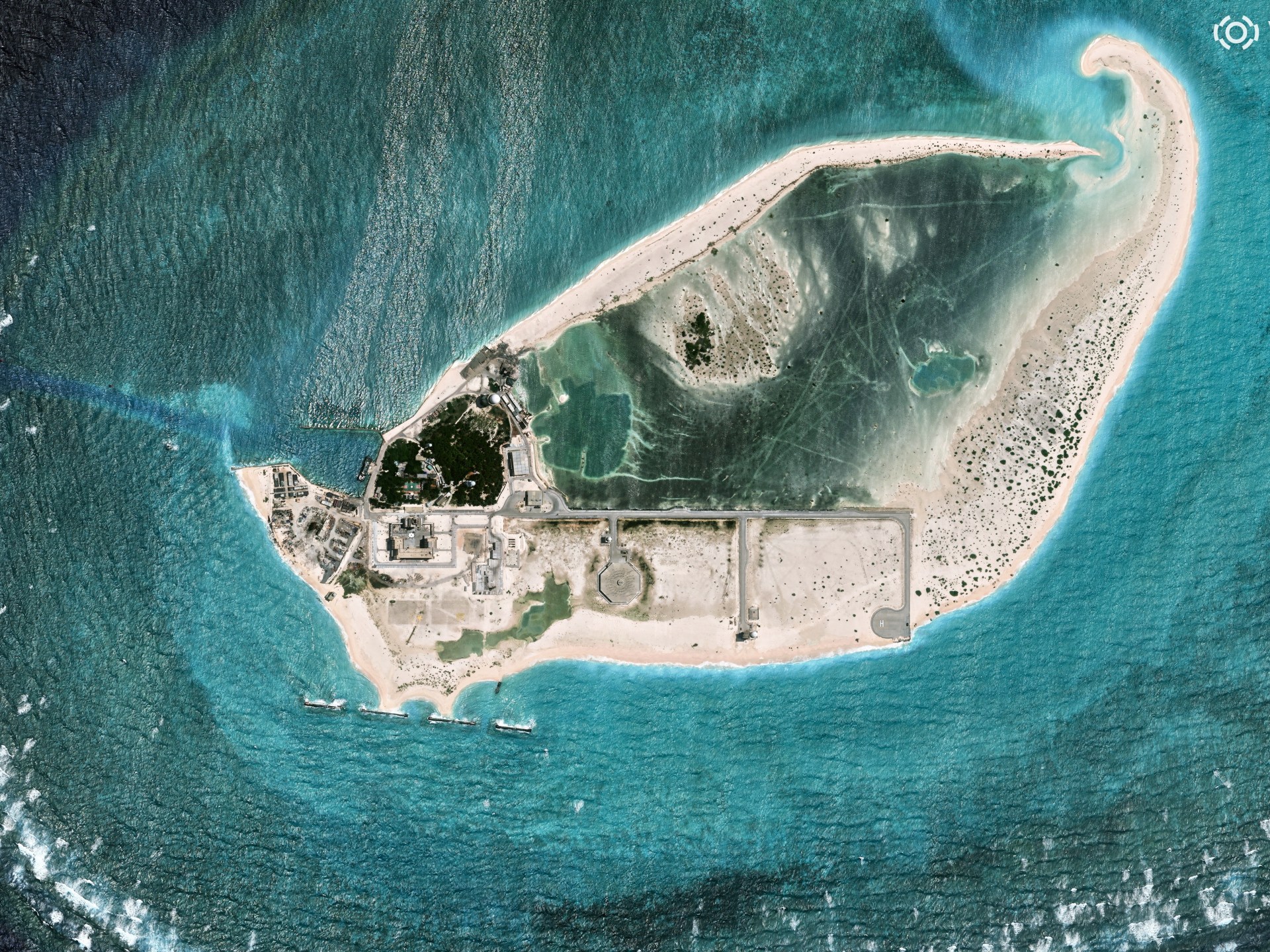
Geopolitical & Core Developments
Maritime friction between Manila and Beijing intensified following a direct collision between a Chinese maritime vessel and a Philippine government patrol boat operating adjacent to Palawan province. According to statements released by the Philippine Coast Guard, the incident occurred within the country's internationally recognized exclusive economic zone (EEZ), where Chinese forces allegedly conducted dangerous, close-quarters maneuvers and deliberate ramming actions. The confrontation marks the latest escalation in a protracted territorial standoff, where Beijing continues to assert expansive sovereignty claims over roughly ninety percent of the South China Sea through its contested nine-dash line.
The strategic waterway has experienced a systematic deployment of Chinese Coast Guard and maritime militia assets designed to contest Philippine access to critical shoals and maritime features. Despite the landmark 2016 Permanent Court of Arbitration ruling in The Hague—which explicitly invalidated Beijing's historic rights claims under the United Nations Convention on the Law of the Sea (UNCLOS)—China maintains regular maritime patrols throughout the corridor. The physical contact between state vessels off Palawan represents a tangible shift from grey-zone coercion toward direct kinetic friction, significantly narrowing the operational buffer between opposing naval and coast guard commands.
Global Trade & Economic Ripples
The strategic stakes of the confrontation extend far beyond bilateral sovereignty disputes, directly touching the foundations of global trade. The South China Sea serves as the primary conduit for more than 3.4 trillion dollars in international trade annually, encompassing critical shipments of liquefied natural gas (LNG), crude oil from the Persian Gulf to Northeast Asia, and dry bulk commodities including iron ore, coal, and agricultural staples. Repeated tactical confrontations inject an unpredictable risk premium into the region's shipping infrastructure.
International maritime underwriters are closely monitoring the stability of the Palawan passage and neighboring channels. A sustained deterioration in regional security threatens to trigger elevated war-risk insurance premiums for commercial vessels transiting regional choke points, such as the Malacca and Luzon straits. In extreme scenarios, commercial fleets forced to reroute through the Sunda or Lombok Straits would face substantial operational delays and increased bunker fuel expenditures, compounding inflationary pressures on global commodity supply chains and manufacturing inputs across East Asian industrial hubs.
Related Intelligence: Islamabad Lawyers Boycott Courts Over Human Rights Advocates Rearrest
International Reactions & Diplomatic Stances
The incident prompted swift diplomatic mobilization across international capitals. Manila's Department of Foreign Affairs lodged an immediate formal diplomatic protest, condemning the maritime maneuvers as unlawful incursions and aggressive violations of Philippine sovereign rights. Philippine defense officials reiterated that Manila would not yield operational access to sovereign territorial waters despite asymmetric maritime pressure.
Conversely, Beijing's Ministry of Foreign Affairs defended its coast guard actions, maintaining that Chinese personnel conducted lawful law-enforcement measures against foreign vessels operating unauthorized inside sovereign Chinese maritime space. Meanwhile, the United States Department of State issued an unambiguous statement condemning Beijing's coercive conduct, publicly reiterating that Article IV of the 1951 US-Philippines Mutual Defense Treaty covers armed attacks on Philippine armed forces, public vessels, or aircraft anywhere in the South China Sea. Strategic partners including Japan, Australia, and members of the European Union echoed these concerns, emphasizing adherence to international maritime law and demanding restraint to safeguard regional freedom of navigation.
Strategic Outlook & Future Scenarios
The tactical trajectory in the South China Sea points toward heightened volatility and recurrent close-quarters engagements. As regional militaries expand operational intelligence-sharing and joint maritime patrols, the risk of an unintended tactical miscalculation resulting in structural damage or loss of life remains elevated. Such an eventuality could activate allied collective defense protocols, elevating a localized coast guard altercation into a direct confrontation between major geopolitical powers.
In the multilateral arena, negotiations between China and the Association of Southeast Asian Nations (ASEAN) regarding a binding Code of Conduct (COC) remain stalled by fundamental disagreements over enforcement mechanisms and legal applicability. Unless multilateral diplomatic interventions establish verifiable protocols to de-escalate gray-zone operations, commercial logistics providers and global commodity markets will continue to contend with rising geopolitical instability across this vital maritime corridor.
Join Our Official WhatsApp Channel
Receive live commodity alerts, policy changes, and commercial intelligence directly on WhatsApp.