
South Africa Mass Shootings Expose Deep Security Crises and Economic Risks
Twin mass shootings in South Africa leaving 27 dead underscore severe internal security challenges, threatening investor confidence and regional trade stability.
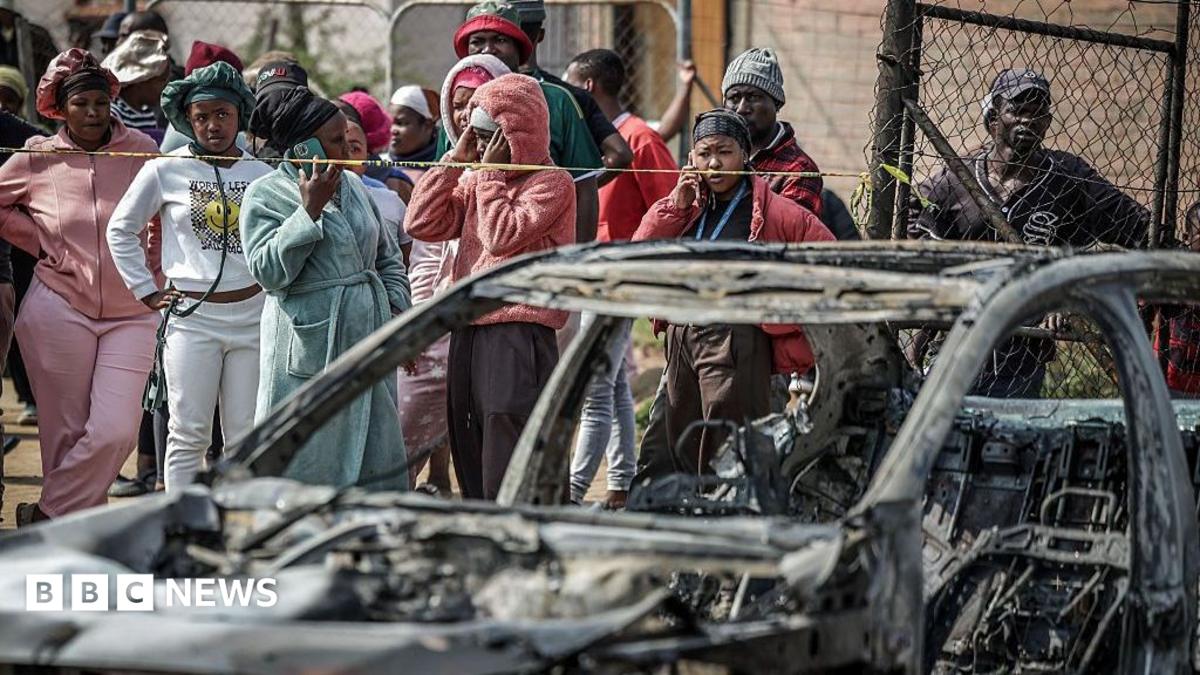
Geopolitical & Core Developments
South Africa has been rocked by a devastating wave of violence following two separate mass shootings hours apart that left a total of 27 people dead. The coordinated and brutal nature of the attacks highlights the escalating crisis of organized crime and gang-related violence plaguing the nation. These incidents are not isolated criminal acts but symptoms of a deeply entrenched security deficit that tests the operational capacity of the South African Police Service (SAPS) and the stability of state institutions.
For years, illicit firearm proliferation, under-resourced law enforcement agencies, and endemic socio-economic disparities have created fertile ground for powerful criminal syndicates. The latest carnage has intensified domestic political pressure on the central government to declare a state of emergency in high-risk provinces and deploy specialized military units to restore public order. The inability of the state to guarantee basic security in working-class townships directly undermines civil stability and poses profound governance challenges for the ruling administration ahead of upcoming municipal and national policy cycles.
Global Trade & Economic Ripples
While the immediate tragedy is a humanitarian crisis, the macroeconomic implications for South Africa and the wider Southern African region are significant. South Africa functions as the financial and logistical gateway to the continent, housing key nodes for international mining conglomerates, manufacturing hubs, and vital maritime trade corridors. Persistent urban and industrial violence dampens foreign direct investment (FDI), increases the cost of doing business through mandatory private security expenditures, and deters vital international tourism.
Global commodity markets, particularly precious metals such as platinum and gold, closely monitor domestic stability in South Africa. Labor unrest, logistical bottlenecks, and security vulnerabilities around mining infrastructure can trigger immediate supply jitters on London and New York exchanges. Furthermore, disruptions in domestic transport and freight logistics caused by localized security clampdowns threaten regional supply chains across the Southern African Development Community (SADC), impacting cross-border trade in manufactured goods, agriculture, and energy products.
Related Intelligence: Bangkok Floods Disrupt Regional Supply Chains and Global Trade Networks
International Reactions & Diplomatic Stances
International bodies and foreign diplomatic missions have expressed profound alarm over the deteriorating security situation in South Africa. The United Nations Office on Drugs and Crime (UNODC) reiterated the urgent need for enhanced international cooperation in dismantling transnational illicit arms trafficking networks that fuel domestic bloodshed. Several Western governments have updated travel advisories, warning citizens of extreme security risks, which threatens to deliver a severe blow to the nation's tourism sector—a crucial foreign exchange earner.
Global market analysts and emerging market credit rating agencies have adopted a cautious stance, noting that chronic domestic instability could weigh heavily on the South African rand and sovereign bond yields. International investors continue to emphasize that sustainable economic growth is inextricably linked to structural reforms in the justice and security sectors. Without decisive state intervention to curb organized crime, perceptions of sovereign risk will likely rise, increasing borrowing costs for both public and private entities.
Strategic Outlook & Future Scenarios
Looking ahead, the trajectory of South Africa's security environment hinges on the government's willingness to implement comprehensive criminal justice reforms and dismantle high-level corruption within law enforcement agencies. Short-term tactical deployments of security forces may temporarily suppress violence, but long-term stability requires addressing the root causes of urban violence, including high youth unemployment and severe wealth inequality.
As Pretoria engages with multilateral partners and regional bodies, the pressure to demonstrate effective governance has never been higher. If the state fails to regain a monopoly on the use of force, the resulting erosion of social cohesion could permanently alter the investment landscape, transforming South Africa from a beacon of continental economic promise into a cautionary tale of unmanaged systemic risk.
Join Our Official WhatsApp Channel
Receive live commodity alerts, policy changes, and commercial intelligence directly on WhatsApp.