
South Africa Murders Spark Outrage Amid Deepening Security and Economic Strain
The discovery of nine women's bodies in South Africa's industrial hub has sparked public outrage, intensifying scrutiny on state security architecture and compounding sovereign risks for Africa's most industrialized economy.
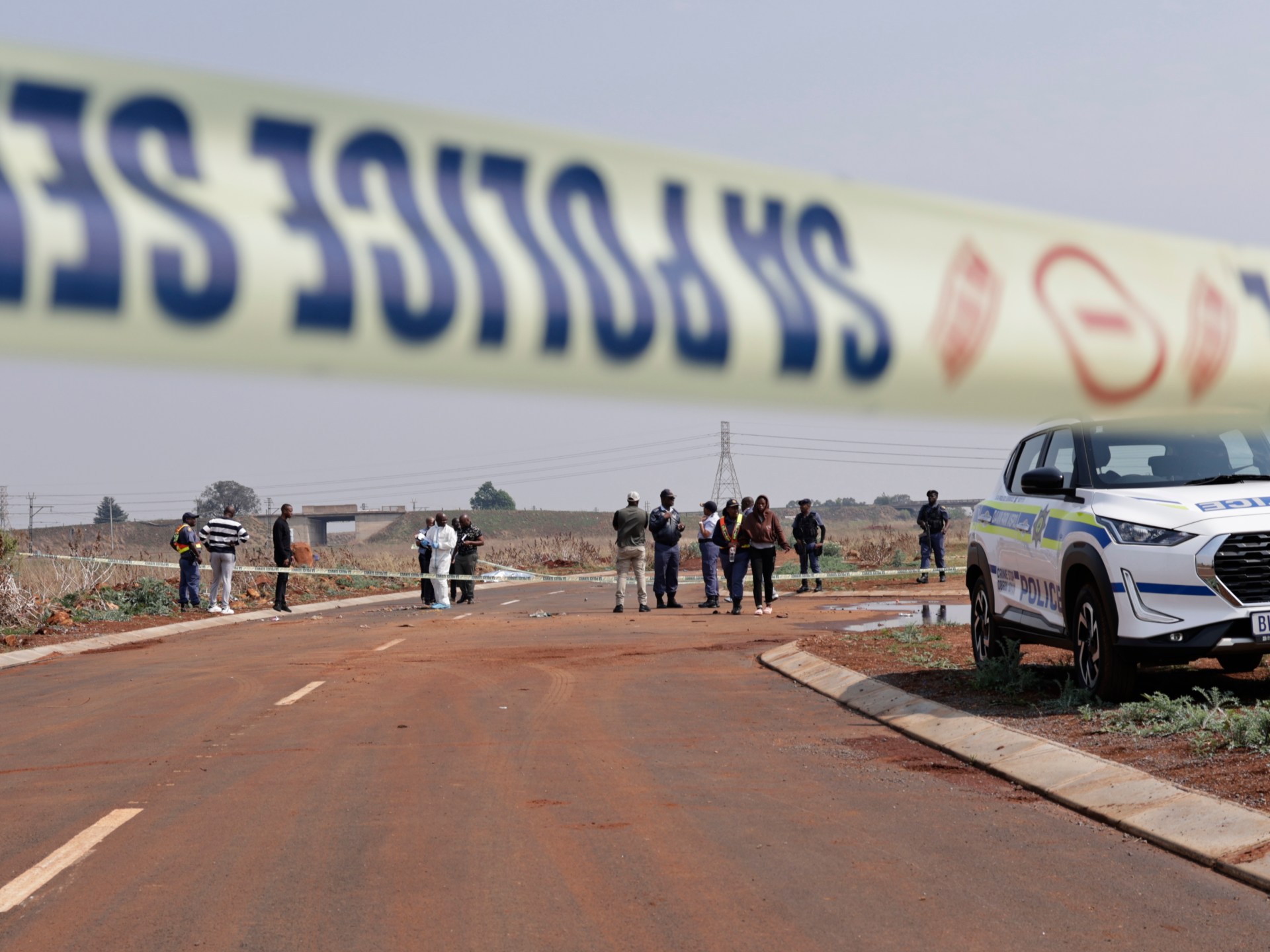
Geopolitical & Core Developments Law enforcement authorities in [South Africa](/news/south-africa-femicide-protests-johannesburg-investment-risks) have initiated an urgent multi-agency investigation following the discovery of nine women's bodies across the Ekurhuleni metropolitan municipality, situated east of Johannesburg. The cluster of fatalities has ignited widespread civil apprehension regarding the potential operation of a serial perpetrator or organized syndicate operating with impunity in Gauteng province, the country's preeminent financial and demographic heartland.
The South African Police Service (SAPS) confirmed that forensic specialists and homicide detectives are pursuing all operational lines of inquiry, amid escalating demands from civic groups for transparency. The incident underscores a persistent security breakdown in South Africa, where violent crime metrics, particularly gender-based violence (GBV) and femicide, remain among the highest recorded globally. With national murder rates sustaining elevated trajectories, this latest development poses acute political challenges for President Cyril Ramaphosa's Government of National Unity (GNU), testing the administrative cohesion between coalition partners tasked with reforming an overstretched and under-resourced criminal justice apparatus.
Global Trade & Economic Ripples While localized in execution, the acute deterioration of public safety across Gauteng carries tangible economic consequences for southern Africa's core commercial conduit. Ekurhuleni hosts major industrial manufacturing nodes, transit hubs, and OR Tambo International Airport, serving as the logistics gateway for regional mining and consumer goods trade. Systemic violent crime functions as an entrenched economic drag, with independent fiscal analyses and World Bank assessments estimating that crime-related expenditures and security overhead subtract up to 10 percent from South Africa's gross domestic product annually.
Multinational enterprises operating within the Johannesburg-Pretoria corridor face inflated operational costs, driven by high private security outlays, insurance risk premiums, and supply chain disruptions. Furthermore, severe safety deficits disrupt labor mobility, directly curtailing shift productivity, night-time transport networks, and female workforce participation. These structural impediments compound broader macroeconomic vulnerabilities, generating headwinds for foreign direct investment (FDI) and exerting downward pressure on the South African Rand (ZAR) amidst sovereign risk re-evaluations.
Related Intelligence: South Africa Femicide Surge Triggers Protests, Clouding Investment Climate
International Reactions & Diplomatic Stances The recurring crises of gender-based violence and institutional shortcomings have drawn sustained attention from multilateral bodies and human rights organizations. Agencies including UN Women and Amnesty International have repeatedly urged Pretoria to implement comprehensive judicial and forensic overhauls, citing chronic backlogs in DNA processing and deficient prosecution rates as structural barriers to justice.
Foreign diplomatic missions in Pretoria continue to monitor internal security dynamics closely, adjusting travel advisories and operational risk guidance for foreign nationals and multinational personnel. Concurrently, regional civil society networks within the Southern African Development Community (SADC) have highlighted the systemic nature of cross-border human security failures, warning that unaddressed domestic instability undermines regional efforts to position Southern Africa as a secure platform for the African Continental Free Trade Area (AfCFTA).
Strategic Outlook & Future Scenarios In the immediate term, the trajectory of public sentiment hinges on the speed and efficacy of the SAPS investigation. A failure to secure actionable intelligence or apprehension of suspects risks triggering localized civil unrest, transport shutdowns, and municipal disruptions across Gauteng's transit corridors.
Strategically, the crisis intensifies pressure on South Africa's newly configured Ministry of Police to execute fundamental structural reforms, modernize intelligence gathering, and depoliticize state law enforcement. Over the medium term, persistent failure to curb violent crime will reinforce sovereign risk premiums, deter long-term foreign capital allocation, and complicate South Africa's positioning at upcoming multilateral summits, including the G20 presidency. For international investors and commercial partners, the case serves as a vital barometer of the state's institutional capacity to reassert the rule of law within its critical industrial nodes.
Join Our Official WhatsApp Channel
Receive live commodity alerts, policy changes, and commercial intelligence directly on WhatsApp.