
Somalia Rejects Israeli Naval Ambitions in Berbera, Escalating Horn of Africa Tensions
Somalian President Hassan Sheikh Mohamud has firmly rejected any Israeli military presence in Berbera, raising geopolitical tensions across the strategic Red Sea corridor and threatening regional stability.
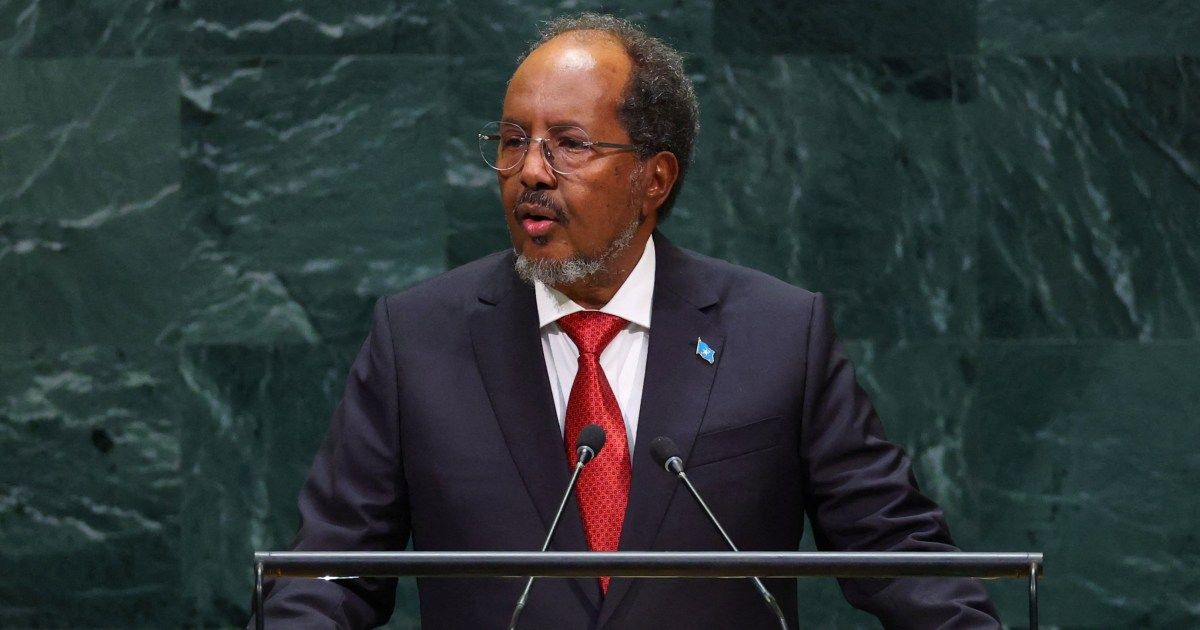
Geopolitical & Core Developments
In a high-stakes exclusive interview with Al Jazeera, Somalian President Hassan Sheikh Mohamud delivered an unambiguous rejection of any prospective Israeli military footprint within national borders, declaring that Mogadishu will not accept an Israeli presence under any circumstances. The diplomatic flashpoint centers on unconfirmed yet heavily circulated intelligence regarding alleged strategic maneuvers by Israel to establish a naval facility in Berbera, located within the self-declared territory of Somaliland. Somalia continues to view Somaliland as an integral and inalienable part of its sovereign territory, rendering any bilateral military arrangements conducted outside of Mogadishu's federal authority a direct violation of international law and national sovereignty.
The strategic geography of the Horn of Africa makes this confrontation a matter of intense international concern. Berbera overlooks the Gulf of Aden, a vital maritime chokepoint through which a significant percentage of global container traffic and energy shipments must transit to access the Suez Canal. President Mohamud emphasized that the federal government remains steadfast in its defense of territorial integrity, warning that foreign military encroachment without federal consent destabilizes an already volatile region. This latest friction compounds existing geopolitical anxieties in the Bab-el-Mandeb strait, where regional littoral states are already grappling with spillover effects from the conflict in Yemen and broader Middle Eastern rivalries.
Global Trade & Economic Ripples
The hardening stance between Mogadishu and external powers over Red Sea access carries profound implications for global commodity markets, maritime logistics, and supply chain continuity. The Gulf of Aden and the southern approaches to the Red Sea represent critical arteries for international trade, moving everything from Asian manufactured goods to European industrial machinery and Middle Eastern crude oil. Any perceived militarization or deepening diplomatic friction in ports such as Berbera introduces fresh risk premiums for international shipping lines, maritime insurers, and energy commodities traders.
Global energy markets remain acutely sensitive to security developments along the East African coastline and Arabian Peninsula. Disruptions or heightened military posturing in these narrow maritime corridors historically trigger spikes in marine war risk insurance rates, forcing commercial vessel operators to contemplate costly diversions around the Cape of Good Hope. For Kalyar Traders World Desk analysts, the rhetoric underscores the fragility of commercial shipping lanes that underpin contemporary globalization. As geopolitical competition intensifies among Middle Eastern and African states, the cost of securing critical maritime infrastructure threatens to pass down directly to end consumers through elevated freight rates and tighter supply chain margins.
Related Intelligence: US Midterm Pivot Threatens Global Trade Stability and Energy Markets
International Reactions & Diplomatic Stances
International bodies and neighboring states have monitored the escalating rhetorical exchange with mounting apprehension. The African Union and the Intergovernmental Authority on Development have historically stressed the paramount importance of respecting the territorial integrity and sovereignty of member states, viewing unilateral security agreements with unrecognized or breakaway administrations as dangerous precedents. Western partners, balancing strategic counter-terrorism cooperation in Somalia with broader Middle Eastern alliances, have urged diplomatic restraint and renewed dialogue to prevent further polarization in the Horn of Africa.
Market analysts note that regional actors, including Egypt, Ethiopia, and Gulf Cooperation Council states, maintain competing interests in Red Sea security architectures. Cairo has previously expressed deep unease regarding foreign military footprints near the southern entrance of the Suez Canal, aligning closely with Mogadishu's legal arguments concerning federal sovereignty. Conversely, economic investments by Gulf nations in East African ports have created a complex web of commercial dependencies that complicate unified regional policymaking.
Strategic Outlook & Future Scenarios
Looking ahead, the trajectory of Somalia-Israel relations and the broader security architecture of the Horn of Africa will hinge on whether diplomatic channels can defuse mounting tensions. If Mogadishu perceives tangible moves toward establishing a naval facility in Berbera, the federal government is expected to pursue aggressive diplomatic countermeasures at the United Nations Security Council, the Arab League, and the African Union.
For international commerce and global logistics, the primary risk lies in miscalculation or the potential for localized proxy friction along vital trade routes. Stakeholders across the maritime, energy, and commodities sectors must factor heightened geopolitical volatility into long-term operational planning. As great power competition intersects with regional state ambitions, the Horn of Africa remains a primary watchpoint for global supply chain vulnerability and geopolitical realignment.
Join Our Official WhatsApp Channel
Receive live commodity alerts, policy changes, and commercial intelligence directly on WhatsApp.