
Pakistan Used Car Imports Surge in September Amid Regulatory Relaxation
Used car imports into Pakistan surged to 2,276 units in September following regulatory easing, sparking an intense clash between local assemblers and vehicle importers.
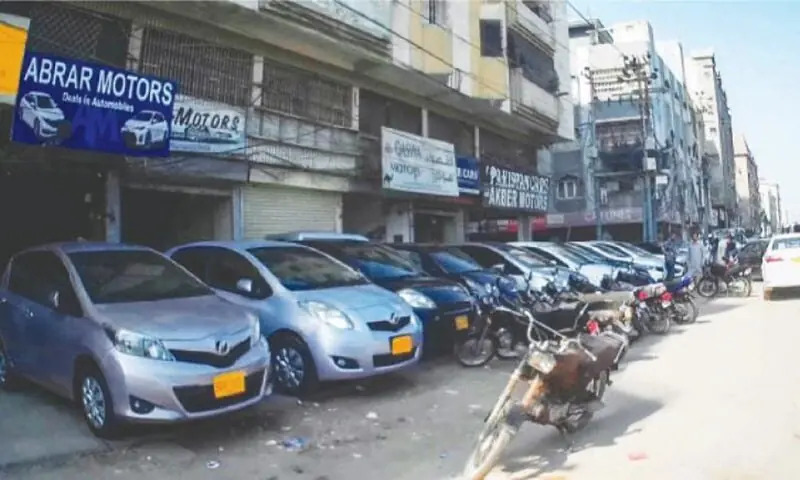
The Core Development
Pakistan's automotive sector is witnessing a fresh wave of controversy as imports of pre-owned vehicles experience a sharp rebound. In the month of September, official trade data reveals that a total of 2,276 vehicles were imported into the country under the Government's Gift Scheme. This dramatic uptick follows a brief period of contraction when federal authorities moved to abolish the contentious Personal Baggage Scheme and implemented rigorous administrative restrictions designed to curb systemic misuse of vehicle import schemes historically reserved for overseas Pakistanis.
The recent regulatory adjustments have inadvertently relaxed bottlenecks, allowing commercial importers and expatriates to channel higher volumes of foreign-assembled vehicles back into the domestic market. Industry monitors note that this sudden influx marks a distinct turnaround from earlier in the fiscal year, when tightening oversight had successfully suppressed grey-market inflows and provided a protective shield for domestic manufacturing plants struggling with low capacity utilization.
Commercial & Economic Implications
The resurgence of used car imports carries profound ramifications for Pakistan's fragile retail trade, wholesale distribution networks, and broader macroeconomic stability. For years, the domestic automotive landscape has been dominated by a handful of established local assemblers operating under high tariff protection. The influx of over 2,200 foreign vehicles in a single month threatens to alter retail pricing dynamics, potentially introducing much-needed deflationary pressure on overpriced locally assembled cars that have long suffered from chronic quality complaints and prolonged delivery delays.
However, economists and financial analysts at Kalyar Traders point out significant downside risks. A sudden surge in non-essential automobile imports exerts renewed pressure on Pakistan's foreign exchange reserves and trade balance at a time when macroeconomic stabilization remains paramount. Furthermore, widespread availability of imported hatchbacks and sedans disrupts supply chain planning for local vendors who supply parts to domestic original equipment manufacturers (OEMs), creating a ripple effect across industrial employment and manufacturing output.
Related Intelligence: Kyiv-Moscow Strikes Escalation Hits Critical Infrastructure and Trade Routes
Stakeholder Perspectives & Market Reactions
The policy pivot has drawn immediate and fierce condemnation from domestic manufacturers. Representatives of local auto assemblers argue that unchecked imports undermine heavy capital investments made within Pakistan, threaten thousands of direct and indirect jobs within the local vendor ecosystem, and exploit regulatory loopholes originally intended to facilitate genuine overseas Pakistanis rather than commercial traders.
Conversely, importer associations and independent dealers have strongly defended the surge, asserting that increased competition is long overdue. Importers maintain that the local auto sector has operated as a protected oligopoly, charging exorbitant prices for outdated models lacking modern safety features. According to industry advocates, consumer choice and affordability can only be restored by permitting regulated competition from international secondary markets, which forces domestic assemblers to rationalize their pricing structures and elevate vehicle quality.
Forward Outlook & Key Watchpoints
As the debate intensifies, market participants and policymakers are closely monitoring upcoming regulatory reviews from the Ministry of Commerce and the Federal Board of Revenue. Key watchpoints for the remainder of the fiscal year include whether the government will tighten verification protocols for the Gift Scheme to prevent commercial exploitation or yield to consumer pressure for sustained import liberalization.
Failure to strike a balance between safeguarding domestic industrial policy and protecting consumer interests could lead to heightened lobbying from both factions. Industry insiders predict that upcoming trade deficit figures will dictate the pace of future administrative interventions, making automobile import policy a critical litmus test for Pakistan's broader economic management team.
Join Our Official WhatsApp Channel
Receive live commodity alerts, policy changes, and commercial intelligence directly on WhatsApp.