
Singapore Enforces Strict Transit Penalties to Curb Disruptive Public Behaviors
Singapore authorities have introduced severe financial penalties for disruptive behaviors on public transit, reinforcing the nation-state's strict governance standards.
Geopolitical & Core Developments
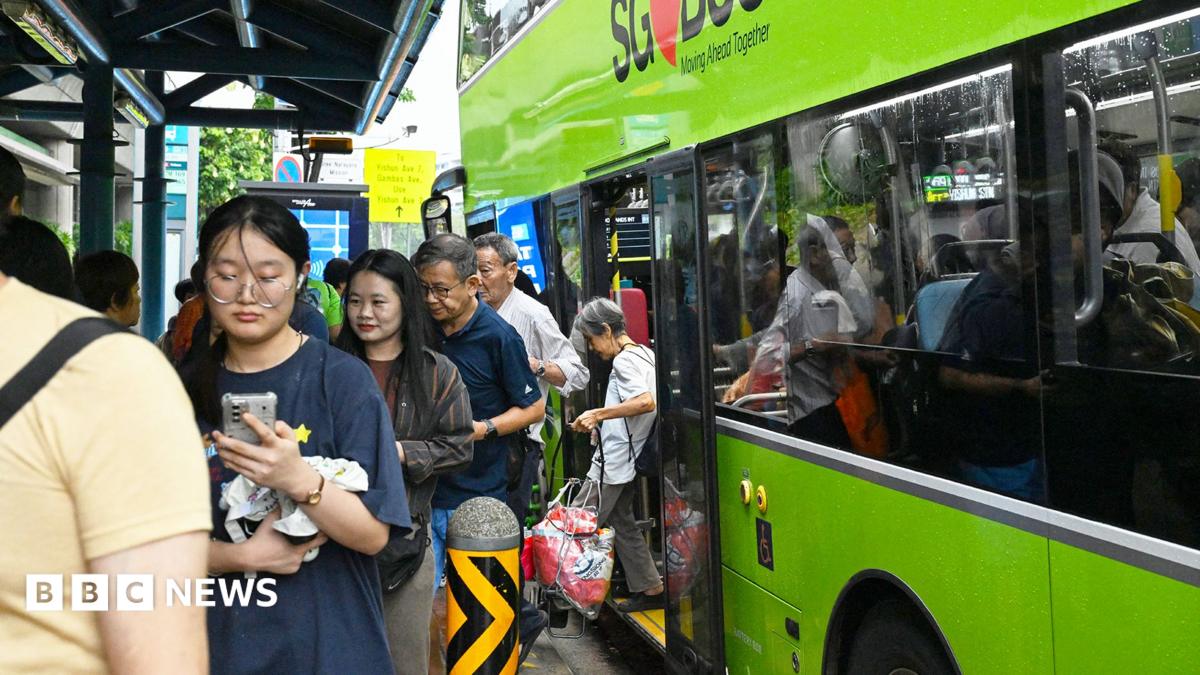
Singapore has long maintained a global reputation for meticulous urban management, stringent legal frameworks, and an uncompromising approach to public order. In the latest regulatory tightening, transport authorities have instituted substantial financial penalties for behaviors traditionally categorized as minor social infractions. Commuters engaging in disruptive activities—such as playing unattenuated music on loudspeakers, consuming food or beverages within unauthorized transit zones, or placing footwear on upholstered seating—now face severe monetary fines amounting to hundreds of dollars. This policy evolution represents a deepening of the city-state's long-standing social contract, wherein individual convenience is systematically subordinated to collective civic harmony. The Land Transport Authority (LTA) has bolstered surveillance across the Mass Rapid Transit (MRT) network and public bus fleets, deploying increased security personnel and leveraging advanced closed-circuit television infrastructure to monitor passenger compliance in real time. While domestic populations are largely accustomed to the legal architecture underpinning Singapore's governance, the strict enforcement has reignited international debates regarding the balance between authoritarian social controls and the creation of highly efficient, low-stress public environments.
[Global Trade](/news/hidden-costs-regional-conflict-global-trade-security) & Economic Ripples
Although localized to municipal transport networks, Singapore's uncompromising regulatory stance carries indirect economic implications for global urban tech and smart-mobility suppliers. As a primary financial and logistics hub in Southeast Asia, Singapore's domestic policy shifts frequently serve as a testing ground for technologies in automated surveillance, behavioral analytics, and smart ticketing ecosystems. International firms specializing in public safety compliance technology, acoustic sensor arrays, and automated ticketing enforcement are closely monitoring the rollout to gauge the scalability of similar systems in Western metropolitan centers grappling with post-pandemic transit friction. Furthermore, the emphasis on pristine public infrastructure underpins Singapore's broader economic value proposition as a premier destination for multinational corporate headquarters and international expatriate talent. By safeguarding the operational efficiency and cleanliness of its mass transit systems—which daily move millions of domestic workers and international business travelers—the government protects a critical artery of its domestic service economy against productivity losses associated with commuter friction and social disorder.
Related Intelligence: Meta Unveils AI Expansion and Smart Glasses Amid Privacy Scrutiny
International Reactions & Diplomatic Stances
Global reaction to Singapore's expanded transit penalties remains deeply polarized, reflecting differing cultural philosophies regarding personal liberty and state authority. Urban policy analysts in Western democracies have voiced skepticism, characterizing the measures as an overreach that criminalizes mundane social annoyances through disproportionate financial deterrence. Conversely, governance models in East and Southeast Asian urban centers—including Tokyo, Seoul, and Taipei—have frequently expressed admiration for Singapore's ability to enforce high standards of civic discipline without widespread civil unrest. Human rights advocates and civil liberties organizations have raised concerns regarding the potential for algorithmic bias in automated surveillance systems deployed to catch infractions, though local authorities maintain that the regulations are applied transparently and impartially across all demographics, reinforcing the rule of law as a cornerstone of the national economy.
Strategic Outlook & Future Scenarios
As global megacities grapple with rising urban density and post-pandemic behavioral shifts on public transportation, Singapore's aggressive enforcement strategy will likely serve as a polarizing case study for municipal governance. In the medium term, transport ministries across developed economies are expected to evaluate whether punitive financial deterrents can successfully restore social norms in increasingly strained transit networks. However, the long-term viability of exporting such a model depends heavily on local political cultures and the degree of public trust in state institutions. For Singapore, the immediate trajectory points toward even tighter integration of artificial intelligence within public transit monitoring, potentially paving the way for fully automated fine issuance and cementing the island nation's status as the world's most rigorously regulated urban commercial center.
Join Our Official WhatsApp Channel
Receive live commodity alerts, policy changes, and commercial intelligence directly on WhatsApp.