
Iran Declares Readiness for Total Conflict as Hormuz Tensions Escalate
Tehran declares full military readiness after Washington rejects a diplomatic roadmap to reopen the vital Strait of Hormuz, exacerbating global energy market fears.
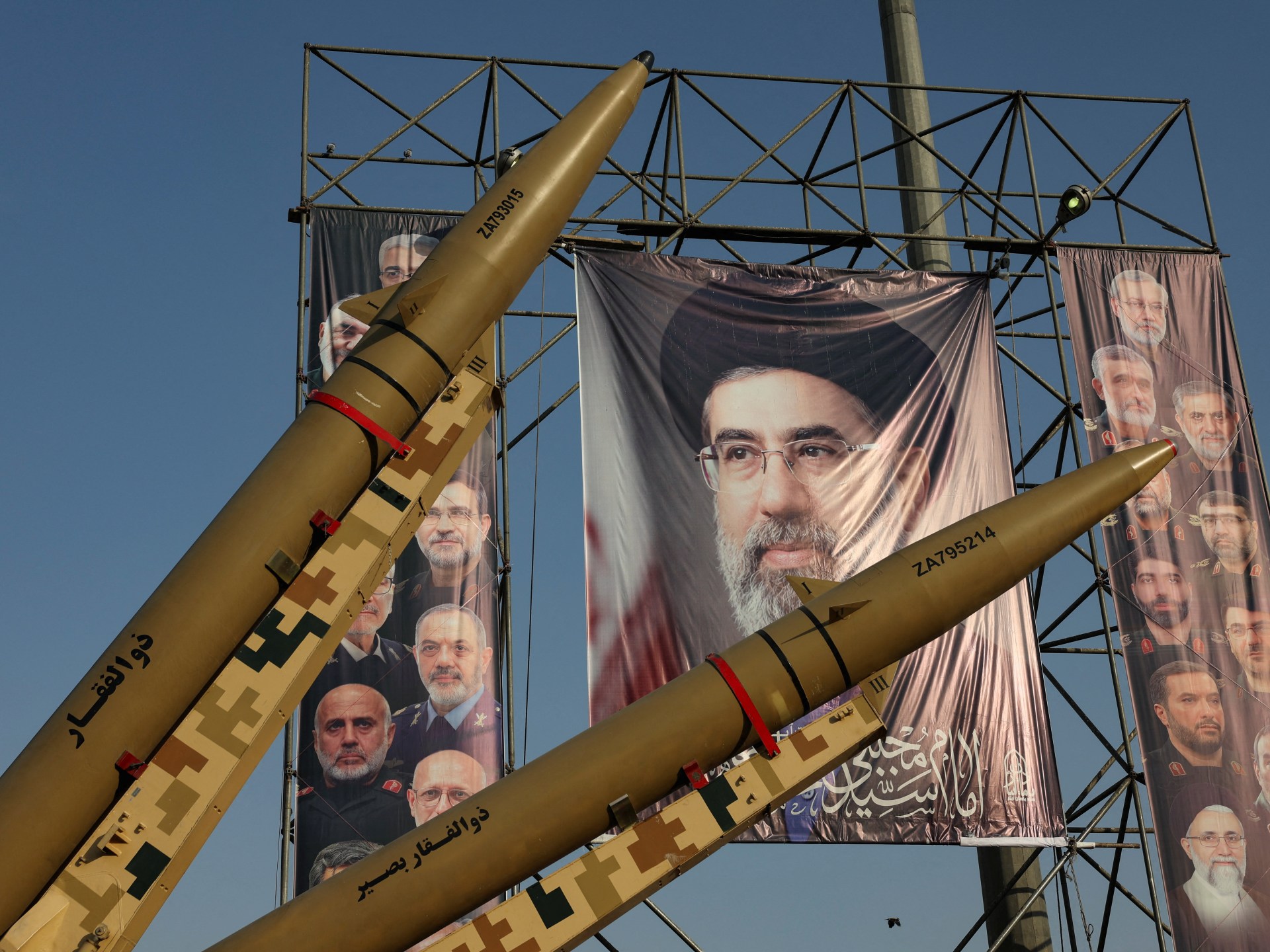
Geopolitical & Core Developments
Iranian Foreign Minister Abbas Araghchi has issued a stark warning that Tehran is fully prepared for an all-out military confrontation, following the United States' formal rejection of a diplomatic seven-day roadmap aimed at resolving ongoing hostilities and securing the reopening of the strategic Strait of Hormuz. The breakdown in diplomatic overtures marks a dangerous inflection point in bilateral relations, moving both nations closer to active military conflict. The proposed roadmap, designed by regional intermediaries to de-escalate tensions and restore commercial navigation through the vital waterway, was dismissed by Washington as inadequate and failing to address core security concerns regarding regional proxy networks and nuclear safeguards. In response, Tehran's defense apparatus has elevated its alert status, deploying additional naval assets and coastal defense batteries along the Persian Gulf coastline. Strategic analysts warn that the absence of active diplomatic channels significantly increases the probability of miscalculation, raising the risk of localized skirmishes spiraling into a broader regional war that could draw in allied powers from across the globe.
Global Trade & Economic Ripples
The deterioration of security in the Persian Gulf has sent immediate shockwaves through international commodity markets, particularly affecting global energy supplies and maritime logistics. The Strait of Hormuz handles roughly a fifth of the world's petroleum consumption, making any credible threat of closure an existential risk for global energy security. Benchmark Brent crude futures surged following Araghchi's statements, reflecting trader anxiety over potential supply curtailments from major Gulf producers including Saudi Arabia, the United Arab Emirates, Iraq, and Kuwait. Commercial shipping lines have begun diverting vessels around the Cape of Good Hope or suspending transits through the Gulf entirely, driving up container freight rates and extending delivery timelines by weeks. Insurers have dramatically increased war-risk premiums for vessels operating in Middle Eastern waters, compounding inflationary pressures on industrial raw materials, petrochemicals, and manufactured goods worldwide. Emerging market economies heavily reliant on imported hydrocarbons face acute foreign exchange pressures as energy import bills swell.
Related Intelligence: World News Day Boss Warns Media Relevance is Vital for Global Stability
International Reactions & Diplomatic Stances
Global capitals and multilateral organizations have responded with deep alarm to the breakdown in negotiations and the hardening rhetoric from both Washington and Tehran. United Nations Secretary-General António Guterres urged maximum restraint from all parties, emphasizing that any disruption to navigation in the Persian Gulf would inflict catastrophic damage on the fragile global economic recovery. European Union foreign policy chiefs held emergency consultations to formulate a coordinated diplomatic intervention, aiming to establish an independent maritime monitoring mission to protect commercial vessels without triggering direct military engagement with Iranian forces. Meanwhile, major Asian energy importers, including China, Japan, and South Korea—which depend heavily on Gulf crude—have expressed profound concern through diplomatic channels, quietly pressing both the White House and the Iranian leadership to resume backchannel negotiations. Market analysts at major investment banks warn that unless a multilateral framework for safe passage is established soon, corporate hedging strategies will prove insufficient against systemic supply shocks.
Strategic Outlook & Future Scenarios
As the diplomatic freeze persists, the strategic outlook for the region remains volatile and precariously balanced on the brink of escalation. Upcoming meetings of the Organization of the Petroleum Exporting Countries and allied producers (OPEC+) are expected to address potential emergency output quotas to offset any sudden supply losses, though spare capacity remains concentrated in a small number of member states. Western governments are simultaneously weighing additional economic sanctions targeting Iran's remaining illicit petroleum export networks and financial intermediaries to exert maximum economic pressure. However, past precedents suggest that heightened sanctions may only harden Tehran's resolve and accelerate its defensive posture in the Gulf. Key escalation points to monitor over the coming fortnight include naval exercises in the strait, cyber-attacks targeting critical energy infrastructure, and any further retaliatory measures involving regional non-state actors. The international community faces a narrow window to revive diplomatic engagement before commercial realities dictate a permanent restructuring of global energy trade routes.
Join Our Official WhatsApp Channel
Receive live commodity alerts, policy changes, and commercial intelligence directly on WhatsApp.