
Seoul Weighs Coercive Measures Against Pyongyang Following DMZ Landmine Incident
Seoul is weighing strict punitive steps to force a North Korean apology and landmine clearance along the DMZ, sharply escalating regional tensions.
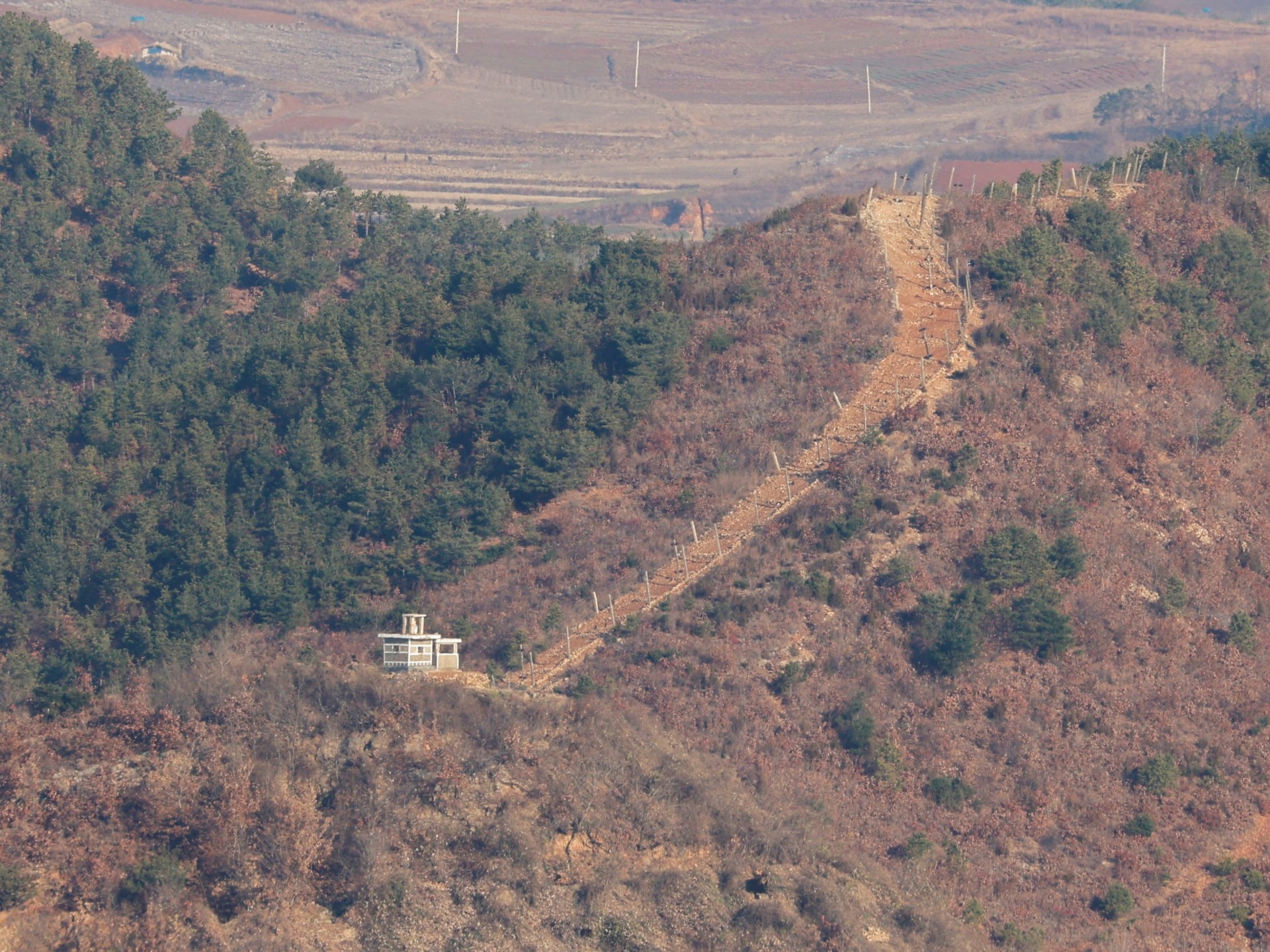
Geopolitical & Core Developments
Tensions along the heavily fortified Korean Demilitarized Zone (DMZ) have reached a critical inflection point following a destructive landmine explosion that severely injured South Korean personnel. In response to the breach of the Korean Armistice Agreement, the administration in Seoul is actively considering a robust suite of coercive diplomatic and strategic measures to compel Pyongyang into issuing a formal apology. Furthermore, the South Korean government has issued an uncompromising demand for the immediate clearance and removal of any additional explosive devices illicitly planted by North Korean forces on the southern side of the military demarcation line.
This latest confrontation shatters a fragile period of relative calm along the inter-Korean border, reviving memories of historical provocations that pushed both nations to the brink of armed conflict. State actors in Seoul view the deployment of landmines within the demilitarized zone not merely as a localized tactical violation, but as a calculated strategic challenge to South Korean sovereignty and regional stability. Diplomatic channels, usually strained but functional, have experienced a severe freeze as military authorities on both sides raise their readiness posture, increasing the risk of miscalculation in one of the world's most volatile geopolitical flashpoints.
Global Trade & Economic Ripples
While the immediate crisis remains centered on military and diplomatic maneuvers, the secondary economic repercussions for the broader East Asian trade corridor are profound. International commodity markets and global energy futures are highly sensitive to security disruptions on the Korean Peninsula, a vital nexus for maritime commerce, semiconductor manufacturing, and global shipping lanes. Financial markets in Seoul experienced heightened volatility as institutional investors reassessed geopolitical risk premiums following the announcement of potential retaliatory measures by the South Korean executive.
Supply chains critical to the global technology and automotive sectors—heavily reliant on South Korean manufacturing output—face potential vulnerabilities if the confrontation escalates into sustained military posturing or cross-border kinetic exchanges. Currency markets have also registered subtle downward pressures on the South Korean Won, reflecting jittery investor sentiment as foreign capital weighs the probability of prolonged regional instability against economic fundamentals. Commodity traders monitoring East Asian import demands for energy and raw materials have begun factoring in elevated risk premiums, anticipating potential disruptions to regional logistics networks if maritime and land borders experience heightened scrutiny.
Related Intelligence: Yemen's Humanitarian Crisis Threatens Regional Stability and Trade Routes
International Reactions & Diplomatic Stances
The international community has reacted with profound concern to the escalating crisis on the peninsula. Officials at the United Nations have reiterated calls for maximum restraint from both Seoul and Pyongyang, emphasizing the imperative of adhering strictly to the terms of the 1953 armistice. Multilateral bodies and key regional partners, including the United States and Japan, have expressed staunch solidarity with South Korea, endorsing Seoul's demands for accountability and landmine remediation while cautioning against actions that could precipitate irreversible military escalation.
Market analysts and geopolitical risk consultancies suggest that the current standoff presents a formidable test for multilateral diplomacy. Western governments are closely monitoring the situation to determine whether fresh economic sanctions or coordinated diplomatic censures will be necessary to deter further provocations by Pyongyang. Meanwhile, regional powers have urged renewed engagement through established diplomatic channels to de-escalate tensions before economic and security parameters deteriorate further.
Strategic Outlook & Future Scenarios
Looking ahead, the trajectory of inter-Korean relations hinges critically on Pyongyang's willingness to address Seoul's demands for contrition and border remediation. Should North Korea reject calls for an apology or dismiss demands to clear remaining ordnance, South Korea is expected to resume high-decibel psychological warfare broadcasts across the border, a measure historically met with fierce retaliation threats from the regime in Pyongyang.
Upcoming diplomatic summits and multilateral security dialogues will serve as crucial barometers for measuring international resolve against regional provocations. Sanction enforcement agencies are already preparing contingency frameworks to tighten financial restrictions on North Korean entities should the crisis cascade into a broader security dilemma. Ultimately, the resolution of this standoff will set a vital precedent for how regional actors manage cross-border provocations in an era of heightened global supply chain vulnerability and geopolitical competition.
Join Our Official WhatsApp Channel
Receive live commodity alerts, policy changes, and commercial intelligence directly on WhatsApp.