
Security Personnel Boycott Polio Campaign in Tribal Districts Over Unmet Demands
Security personnel in Pakistan's merged tribal districts have announced a boycott of upcoming polio vaccination drives over unresolved service demands, threatening public health initiatives.
The Core Development
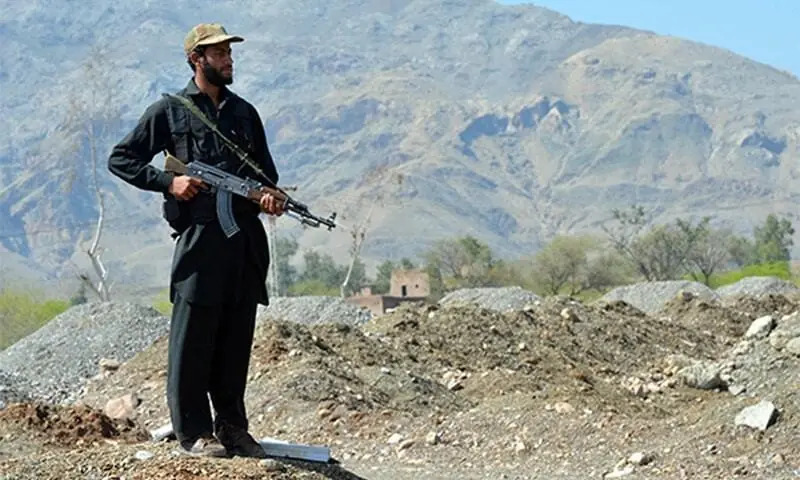
Personnel belonging to the Levies and Khasadar forces across the newly merged tribal districts have formally announced a comprehensive boycott of the upcoming anti-polio vaccination campaign, scheduled to commence on September 21. The decision was finalized and made public during a high-profile protest sit-in staged at the historic Bab-i-Khyber. Syed Jalal, chairman of the Levies and Khasadar forces action committee, declared that the security personnel would strictly withhold their mandatory support and protection duties for polio teams until the government and the provincial police department honor longstanding agreements regarding service structure, regularisation, and professional parity.
According to insider accounts from local law enforcement officials in Mohmand district, repeated negotiations between representatives of the security personnel and provincial authorities have broken down due to bureaucratic inertia. The protesting personnel argue that despite formal commitments made during the integration of the former tribal agencies into Khyber Pakhtunkhwa's mainstream administrative framework, core grievances concerning salary scales, risk allowances, and departmental promotions remain unaddressed. The boycott directly jeopardizes the operational deployment of immunization teams in sensitive and high-risk pockets of the merged districts, where armed security escorts are non-negotiable prerequisites for field operations.
Commercial & Economic Implications
While ostensibly a public administration and law enforcement dispute, the disruption of national immunization campaigns carries profound economic and commercial ramifications for Pakistan. International trade bodies, multilateral lenders, and foreign investors closely monitor the country's public health indicators, particularly its ongoing struggle to eradicate polio. Persistent failures or operational boycotts in vaccination drives risk triggering international travel restrictions, health-related trade friction, and enhanced screening measures on Pakistani exports and diaspora travelers.
Domestically, prolonged administrative instability and civil-security friction in the border regions undermine investor confidence and stifle commercial supply chains. Regional wholesale distribution, retail trade, and local market activities in Mohmand, Khyber, and adjacent districts depend heavily on stable security corridors. When state apparatuses become preoccupied with internal labor disputes and protest movements, regional commerce experiences immediate friction. Furthermore, any resurgence in polio cases due to compromised coverage campaigns can lead to emergency public expenditure reallocation, diverting critical fiscal resources away from trade infrastructure, SME development, and inflationary relief measures.
Stakeholder Perspectives & Market Reactions
Reaction from civil society, regional trade associations, and public health advocates has been marked by deep concern. Local merchant bodies and business councils in Khyber Pakhtunkhwa have voiced alarm over the potential fallout of the standoff, emphasizing that prolonged protests at critical transit arteries like Bab-i-Khyber disrupt cross-border trade with Afghanistan and hurt domestic wholesale markets.
Legal and governance experts note that the integration of Levies and Khasadar forces into regular police structures was fraught with administrative compromises from its inception. Representatives of the protesting personnel maintain that they have exhibited immense patience over the past several years, operating in high-threat environments without commensurate institutional protections or financial compensation. Meanwhile, provincial government spokespersons have reiterated calls for dialogue, urging the security personnel to separate labor negotiations from essential national public health duties, though concrete concessions have yet to be formalized in writing.
Forward Outlook & Key Watchpoints
As the September 21 launch date for the anti-polio drive approaches rapidly, all eyes remain fixed on the provincial capital of Peshawar and federal health coordination centers. The immediate test of state capacity will rely on whether emergency mediation committees can broker a workable compromise before field operations are paralyzed.
Key watchpoints for analysts and market observers include potential emergency interventions by the Khyber Pakhtunkhwa chief minister, the formal issuance of revised service notifications for Levies and Khasadar personnel, and contingency deployment plans by the regular police and Frontier Corps to backstop the vaccination teams. Failure to resolve this impasse risks not only a severe setback to Pakistan's multi-decade campaign against polio but also wider civil unrest within the sensitive border districts.
Join Our Official WhatsApp Channel
Receive live commodity alerts, policy changes, and commercial intelligence directly on WhatsApp.