
JI Demands Petroleum Levy Withdrawal as Train March Stalls in Sukkur
Jamaat-i-Islami chief Hafiz Naeemur Rehman challenged Prime Minister Shehbaz Sharif to withdraw petroleum levies while questioning mysterious train delays during a nationwide protest march.
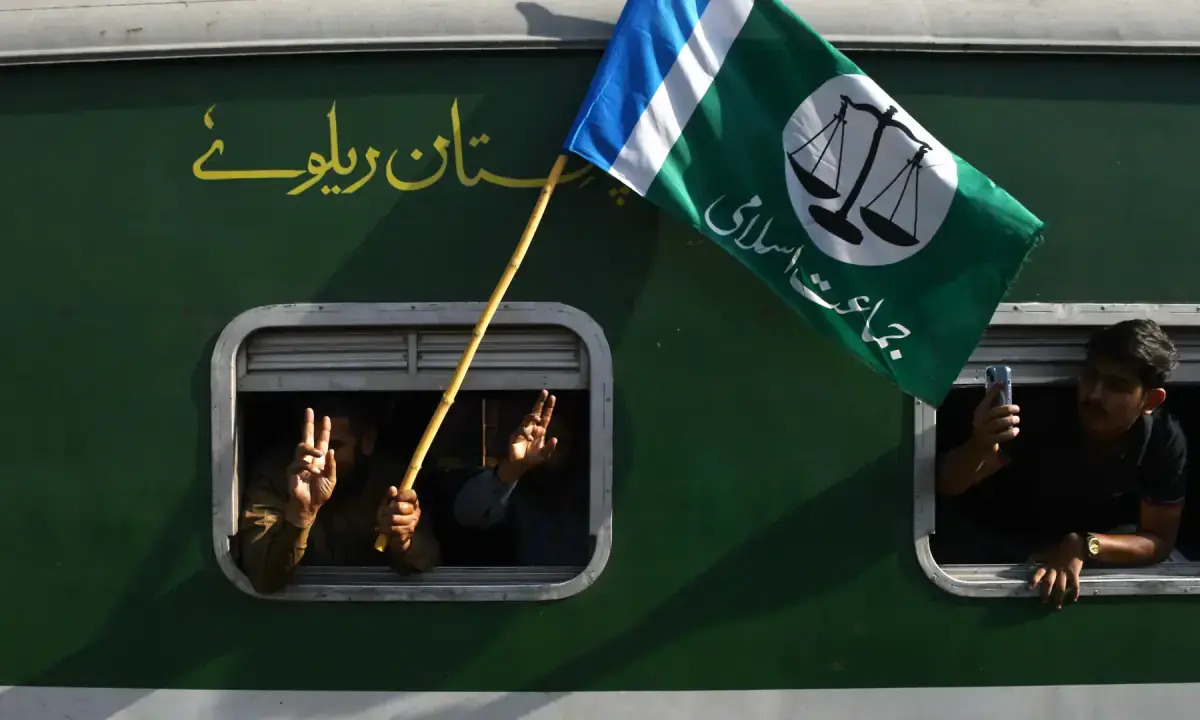
The Core Development
The nationwide anti-inflation protest march spearheaded by Jamaat-i-Islami (JI) faced logistical friction on Monday as party leader Hafiz Naeemur Rehman openly questioned administrative delays during a press conference in Sukkur. The protest campaign, which kicked off on Sunday with a departure from Karachi via train, hit its first notable bottleneck when the Rahman Baba Express arrived in Sukkur. From this key transit hub, participants were scheduled to board the Shalimar Express to advance toward Multan as part of a multi-city trajectory culminating in Islamabad.
However, a pronounced four-hour delay in the connecting train's schedule derailed the tentative itinerary and prompted sharp criticism from the JI leadership. Addressing journalists at the station, Rehman questioned whether the operational setback was a deliberate administrative obstruction aimed at stifling momentum. The political confrontation follows mounting public discontent over heavy fiscal levies on petroleum products, which opposition groups argue are compounding the cost-of-living crisis for ordinary citizens across Pakistan.
Commercial & Economic Implications
The central demand of the JI protest—the complete withdrawal of the petroleum levy—strikes at the heart of Pakistan's structural fiscal framework and stabilization agreements with international lenders. Energy pricing and fuel taxation remain critical revenue tools for the federal government to meet primary surplus targets mandated by multilateral programs. Yet, persistent high fuel costs generate cascading inflationary pressures throughout the domestic economy, directly impacting wholesale distribution networks, transport logistics, and retail pricing of essential commodities.
For Pakistan's retail trade and consumer markets, elevated petroleum prices translate into inflated freight charges and high operational overheads for small and medium enterprises. Supply chain bottlenecks, combined with compressed consumer purchasing power, have subdued commercial activity in urban and rural centers alike. Analysts note that any forced rollback of petroleum levies without compensating revenue measures could jeopardize national fiscal consolidation targets, triggering broader macroeconomic instability and currency volatility.
Related Intelligence: Gaza Ceasefire Collapse Threatens Middle East Trade and Energy Stability
Stakeholder Perspectives & Market Reactions
Business owners, transport associations, and trader bodies have expressed deep anxiety over the ongoing economic squeeze, noting that high fuel tariffs are stifling commercial recovery. While formal trade federations have maintained a cautious distance from politically charged street agitations, grassroots merchant associations have voiced tacit sympathy for demands centered on tax relief. Consumer advocacy groups argue that regressive taxation on petroleum disproportionately penalizes fixed-income households and transport operators.
In his Sukkur address, the JI chief escalated the political stakes by warning that continued government intransigence on fuel levies would transform the targeted protest into a broader anti-government ouster movement. Government officials have defended the petroleum levies as a vital instrument for domestic resource mobilization, emphasizing the necessity of adhering to strict financial discipline to secure external financing lines.
Forward Outlook & Key Watchpoints
As the JI march resumes its overland journey toward Multan and subsequent northern staging points, key watchpoints include the government's fiscal policy announcements, potential concessions on utility tariffs, and the overall public turnout along the transit route. Market observers will monitor whether mounting street pressure compels fiscal policymakers to recalibrate energy taxation in the upcoming quarterly reviews, or if the administration adopts a hardline stance against political disruptions to its economic agenda.
Join Our Official WhatsApp Channel
Receive live commodity alerts, policy changes, and commercial intelligence directly on WhatsApp.