
Security Forces Neutralise Eight Militants in Balochistan Counter-Terror Sweep
Pakistan's security forces neutralised eight foreign-sponsored militants across Quetta, Khuzdar, and Nushki districts, securing vital commercial freight corridors and averting supply chain disruptions across Balochistan.
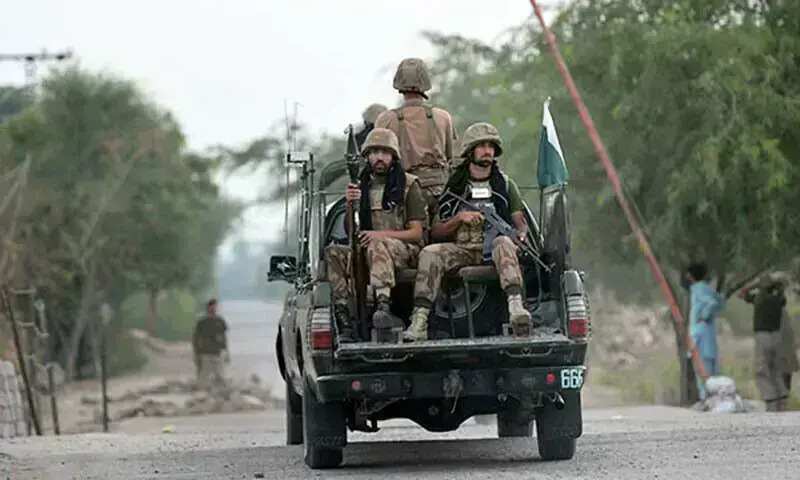
The Core Development Pakistan's military forces have eliminated eight militants affiliated with state-designated hostile foreign proxy networks during a coordinated series of intelligence-based operations across Balochistan. According to statements released by the Inter-Services Public Relations (ISPR), the precision counter-terror operations were carried out simultaneously across three strategic districts: Quetta, Nushki, and Khuzdar.
The operations were initiated following verified actionable intelligence regarding the movement of hostile networks, designated by Pakistani authorities under the institutional classification 'Fitna al Hindustan' to underscore foreign sponsorship and cross-border destabilisation efforts. In the Panjpai area of Quetta district, armed combatants attempted to mount an extortion checkpoint and disrupt domestic freight corridors. Quick-response units intercepted the perimeter, neutralising the militants in an armed encounter. Parallel surgical sweeps in the fractured terrain of Nushki and the transit crossroads of Khuzdar dismantled operational cells attempting to entrench positions along inter-district transit networks.
Commercial & Economic Implications The tactical successes carry immediate consequences for regional [trade and](/news/us-political-realignment-shifts-global-trade-diplomatic-calculus) [supply chain](/news/fatal-incident-canadian-military-base-sparks-global-supply-chain-concerns) dynamics across Balochistan and mainland transit hubs. The targeted districts—Quetta, Nushki, and Khuzdar—serve as vital nodal points for domestic freight corridors, bilateral trade routes toward [Iran](/news/us-iran-negotiations-structural-deadlock-geopolitics-energy) and Afghanistan, and internal feeder routes linking agricultural output to industrial urban centres.
Arbitrary blockades and extortion nodes along key arteries frequently cause delivery delays, inflated transit insurance premiums, and escalated haulage costs. For domestic wholesale traders, interruptions along these passages often induce sharp spot-price volatility for perishables, construction materials, and essential wholesale dry commodities. By rapidly clearing logistical chokepoints, the operations prevent protracted transit halts, reduce the risk of structural freight rerouting, and protect inter-provincial supply lines from speculative cost spikes.
Related Intelligence: US Political Realignment Shifts Global Trade and Diplomatic Calculus
Stakeholder Perspectives & Market Reactions Regional commercial stakeholders, including logistics fleet operators and wholesale trade syndicates, have expressed relief following the targeted operations. Representatives from regional transport associations noted that security risks in transit corridors historically force hauliers to demand risk premia, increasing freight rates by up to fifteen percent during heightened volatility.
Security and sovereign risk analysts observe that sustained state enforcement along trade networks is vital for restoring private capital confidence. The institutional positioning taken by law enforcement and the military reflects a calibrated strategy to eliminate insurgent threats before they systematically target national infrastructure, energy pipelines, and China-Pakistan Economic Corridor (CPEC) arterial arteries.
Forward Outlook & Key Watchpoints In the near term, security apparatuses will maintain heightened surveillance along key inter-provincial highways, particularly the N-25 linking Karachi to Quetta via Khuzdar, and the N-40 passage traversing through Nushki toward the Iranian border. Market participants will monitor clearance protocols, highway patrolling intensity, and the continuity of regional transit flows.
The sustained eradication of foreign-backed hostile cells remains an imperative benchmark for consolidating long-term economic development in Balochistan. In the coming weeks, corporate distributors, agricultural bulk handlers, and wholesale traders will scrutinise security guarantees across secondary supply roads as local authorities work to formalise safer, friction-free inland commercial movement.
Join Our Official WhatsApp Channel
Receive live commodity alerts, policy changes, and commercial intelligence directly on WhatsApp.