
Saudi Helicopter Crash Near Yemen Stokes Regional Volatility and Energy Risks
Two coalition pilots died in an aircraft incident near the Saudi-Yemen border, stoking geopolitical tensions and raising concerns over Gulf shipping corridor stability and oil import costs.
The Core Development
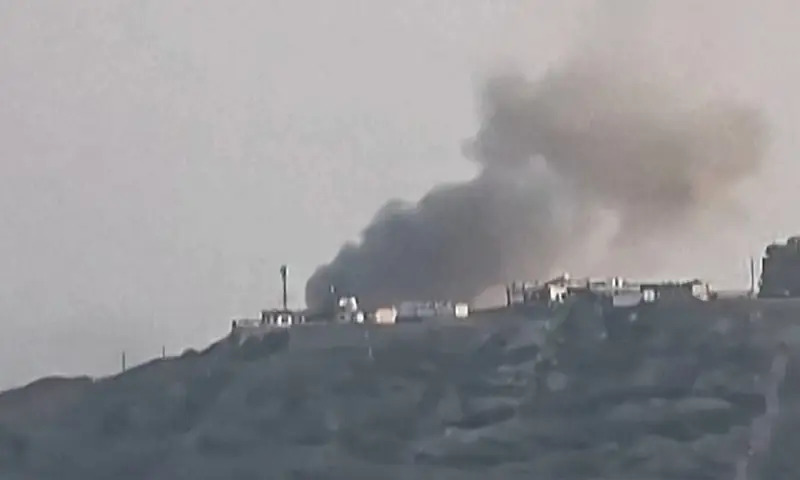
The Saudi-led military coalition engaged in Yemen reported on Sunday that two of its naval aviators were killed when their helicopter crashed in proximity to the kingdom's southern frontier. Official communiques released through state media confirmed the fatalities, formally identifying the cause as an unexpected technical malfunction during routine operational duties within the designated theater of operations.
The incident represents the coalition's first acknowledged military fatalities since hostilities experienced an acute flare-up earlier this summer. The narrative surrounding the crash remains contested; Yemeni Houthi military spokesmen asserted that their specialized air defense units successfully intercepted and downed the aircraft over the border demarcation line. The coalition leadership rejected these assertions, maintaining that mechanical failure precipitated the catastrophic descent. The loss occurs against a backdrop of intensified aerial maneuvers, cross-border skirmishes, and broader maritime disruptions that have increasingly entangled vital Red Sea access routes.
Commercial & Economic Implications
For import-dependent South Asian economies—most notably Pakistan—the rekindling of direct military tension between coalition assets and Houthi forces carries direct commercial repercussions. Any escalation near the Bab al-Mandab Strait and southwestern Arabian Peninsula compounds the existing fragility across critical maritime arteries, through which crude petroleum, liquefied natural gas (LNG), and essential chemical feedstocks are routed toward Karachi and Port Qasim.
Heightened territorial frictions elevate war-risk insurance premiums for commercial tankers and dry-bulk freight carriers operating in the Arabian Sea and Gulf of Aden. In domestic retail and wholesale distribution ecosystems within Pakistan, higher landed shipping costs translate directly into inflationary pressures across retail fuel pumps, domestic freight logistics, and wholesale consumer goods. Furthermore, agricultural inputs, including imported diammonium phosphate (DAP) and urea constituents, face extended lead times and elevated container tariffs if international shipping syndicates divert vessels around the Cape of Good Hope to avoid contested operational corridors.
Related Intelligence: Middle East Tensions Rise as Helicopter Crash Strains Red Sea Security
Stakeholder Perspectives & Market Reactions
Regional energy analysts and shipping syndicates responded with heightened caution, monitoring global crude benchmarks for signs of supply interruptions. Pakistan's industrial and trading associations, including representatives from logistics bodies and the Federation of Pakistan Chambers of Commerce and Industry (FPCCI), have voiced concerns regarding the pass-through impact of prolonged regional instability on national import parity pricing.
Corporate treasurers and trade financiers in Pakistan underscore that unpredictable geopolitical spikes in the Persian Gulf and Red Sea complicate foreign exchange forecasting. While official monetary policy aims to anchor price stability, foreign energy volatility creates balance-of-payments vulnerability. Maritime security specialists have urged vessel operators navigating near the Farasan Islands and southern Saudi waters to maintain heightened defensive watch levels, citing the unpredictability of electronic warfare countermeasures, loitering munitions, and reciprocal tactical strikes.
Forward Outlook & Key Watchpoints
The primary watchpoint over the immediate horizon centers on the operational response of the Saudi-led coalition. Should military planners initiate retaliatory counter-battery or infrastructure air strikes across northern Yemeni operational hubs, the potential for symmetric retaliatory drone and missile launches against commercial logistics infrastructure in the Gulf will surge.
Global supply chain managers must track institutional updates from the Combined Maritime Forces alongside commercial war-risk underwriting syndicates in London. For Pakistan's economic planners, preserving stable fuel import agreements and monitoring spot LNG tender benchmarks remain paramount. Continued friction near strategic transit chokepoints guarantees sustained pressure on import bills, domestic diesel pricing, and overall consumer-level retail inflation through the forthcoming fiscal quarters.
Join Our Official WhatsApp Channel
Receive live commodity alerts, policy changes, and commercial intelligence directly on WhatsApp.