
Saudi Arabia Fortifies Energy Infrastructure as Houthi Attacks Trigger Global Security Response
France deploys military assets to protect Saudi Arabia's Yanbu oil terminal as Islamabad and Ankara hold high-level defense talks with Riyadh to counter escalating Houthi attacks and stabilize global energy markets.
Geopolitical & Core Developments
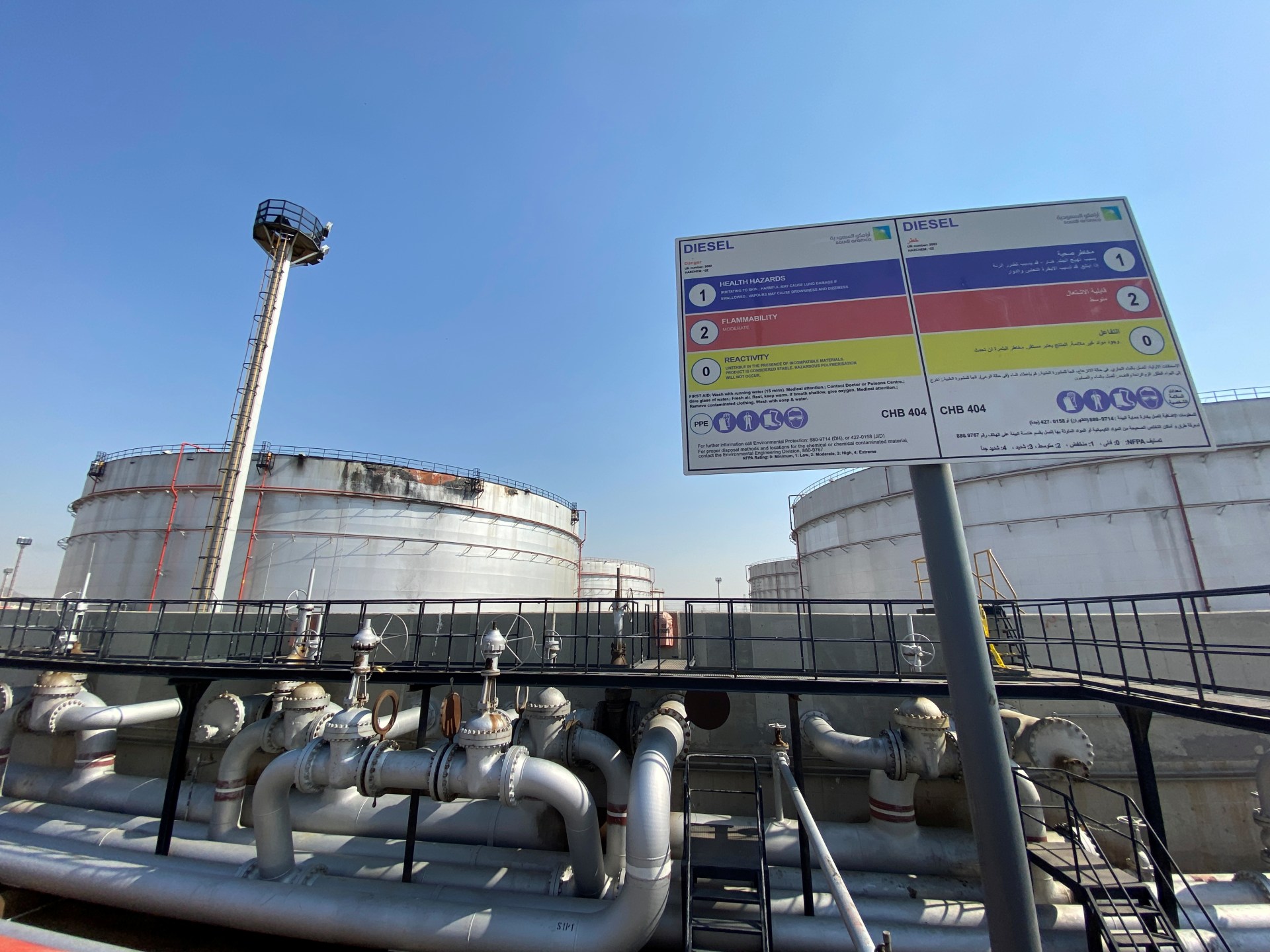
The security architecture of the Arabian Peninsula is undergoing a tense realignment as mounting cross-border drone and missile campaigns threaten critical energy nodes. In response to persistent threats targeting vital processing and export infrastructure, international powers are stepping in to reinforce Saudi Arabia's defensive perimeter. France has announced the deployment of specialized military assets aimed at safeguarding the Yanbu oil terminal on the Red Sea coast. This strategic installation serves as a cornerstone of global petroleum transit, making its protection a matter of paramount international security.
Concurrently, Riyadh is broadening its diplomatic and military partnerships beyond traditional Western allies. Senior defense delegations from Pakistan and Turkiye are scheduled to convene in the Saudi capital for comprehensive bilateral talks. These discussions are expected to center on joint counter-terrorism initiatives, intelligence-sharing frameworks, and the enhancement of integrated air defense systems. The convergence of European military support and deepened strategic cooperation with key Muslim-majority nations highlights a concerted multilateral effort to establish a robust deterrent against regional aggression and protect sovereign territory from non-state actors operating advanced aerial strike capabilities.
Global Trade & Economic Ripples
The escalation of hostilities along the Red Sea corridor introduces profound vulnerabilities into international maritime commerce and global commodity markets. The Yanbu terminal is not merely a regional asset; it represents a vital arterial link in the continuous flow of hydrocarbons to European and Asian economies. Any disruption to processing operations or tanker loading schedules at this Red Sea hub threatens to instantly jolt international crude benchmarks, driving up energy premiums at a time of fragile global economic recovery.
Furthermore, marine insurers are closely monitoring the security status of regional shipping lanes, with potential adjustments to war-risk surcharges looming over maritime transporters. The persistent threat environment forces commercial vessels to navigate with heightened caution, occasionally resulting in transit delays and elevated logistical costs. As energy supplies remain intricately tied to geopolitical stability, commodity traders are pricing in a permanent risk premium, reflecting the heightened vulnerability of Middle Eastern energy corridors to asymmetric warfare and localized conflict escalation.
Related Intelligence: Dual Pacific Hurricanes Threaten Mexican Energy Infrastructure and Global Supply Chains
International Reactions & Diplomatic Stances
Global capitals and multilateral organizations have expressed deep concern over the persistent targeting of civilian and critical energy infrastructure within the kingdom. The United Nations has repeatedly emphasized that attacks on commercial energy facilities violate international humanitarian norms and jeopardize global economic stability. Diplomatic envoys continue to urge all parties to engage in comprehensive political dialogue to achieve a sustainable ceasefire and de-escalate tensions across the Arabian Peninsula.
Market analysts and energy watchdogs note that the active military involvement of external powers like France signals a growing impatience within the international community regarding the safety of global supply chains. Financial institutions have issued advisory notes warning clients that geopolitical risk factors in the Middle East will remain elevated in the near term. Industry stakeholders underscore that diplomatic solutions must be reinforced by credible security guarantees to restore absolute confidence among international investors and energy consumers worldwide.
Strategic Outlook & Future Scenarios
Looking ahead, the trajectory of regional security will heavily depend on the efficacy of the newly implemented defense deployments and the depth of strategic agreements forged between Riyadh, Ankara, and Islamabad. Upcoming bilateral summits and defense expositions will likely yield concrete protocols regarding joint technological development in counter-drone systems and rapid-response capabilities for critical infrastructure protection.
However, failure to achieve a lasting political settlement with the architects of the cross-border strikes could entrench a prolonged state of high alert across the Red Sea basin. Potential escalation points remain tied to regional proxy dynamics and the broader geopolitical standoff involving major international powers. For Kalyar Traders World Desk, monitoring these developments requires a continuous assessment of maritime transit insurance rates, state-level defense pact implementations, and daily crude output metrics to accurately gauge the enduring commercial impacts on global markets.
Join Our Official WhatsApp Channel
Receive live commodity alerts, policy changes, and commercial intelligence directly on WhatsApp.