
Manchester City Found Guilty of Premier League Financial Breaches
Manchester City faces severe regulatory penalties after being found guilty of major financial breaches by a Premier League independent commission, prompting an imminent appeal.
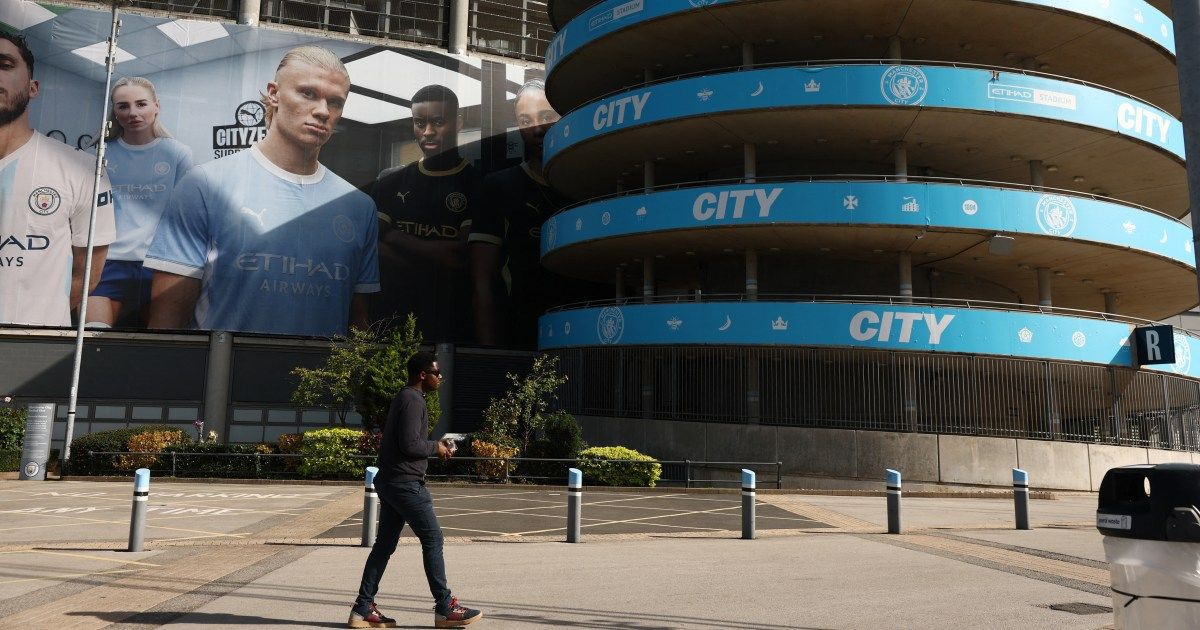
Geopolitical & Core Developments
In a landmark regulatory decision that reverberates far beyond the traditional boundaries of domestic sport, an independent commission has found Manchester City guilty of multiple serious financial breach charges brought forward by the English Premier League. The verdict concludes a protracted and highly contentious legal battle that scrutinized the club's financial declarations over a multi-year period. The case centered on allegations that the club failed to provide accurate financial information, specifically regarding revenue streams, sponsorship valuations, and managerial compensation. As one of the most prominent flagships of state-backed sports investment, Manchester City's operations have long been scrutinized not only by sporting authorities but also by geopolitical analysts tracking the influence of sovereign wealth in Western commercial landscapes. The ruling marks a watershed moment in the governance of elite European football, establishing a rigorous precedent for how regulatory bodies handle complex corporate structures and international funding models. State actors and diplomatic observers have monitored the proceedings closely, viewing the case as a litmus test for the enforcement of financial fair play regulations in an era of globalization and cross-border capital deployment.
Global Trade & Economic Ripples
While ostensibly a domestic sporting matter, the verdict carries profound implications for global commerce, corporate sponsorship ecosystems, and international trade dynamics involving the Gulf region. Manchester City's commercial success is inextricably linked to high-value partnerships with multinational corporations and state-affiliated entities based in the Middle East. The commission's findings raise critical questions regarding the valuation of related-party transactions and the broader transparency of sovereign investments in European commercial assets. Global market analysts note that heightened regulatory enforcement in elite sports could trigger a reassessment of valuation models for international sponsorships, affecting capital flows between emerging economic hubs and traditional Western markets. Furthermore, financial institutions and corporate underwriters managing high-profile sports portfolios are expected to tighten compliance frameworks. The ruling highlights the growing tension between aggressive commercial expansion driven by foreign sovereign capital and the stringent regulatory standards demanded by domestic market authorities, creating a complex risk matrix for international investors operating across borders.
Related Intelligence: Spain Faces Croatia in Nations League as European Football Diplomacy Heats Up
International Reactions & Diplomatic Stances
Official responses to the verdict have exposed deep divisions between regulatory advocates and representatives of state-backed commercial entities. In an official statement released shortly after the verdict was made public, Manchester City expressed profound disappointment and surprise, categorically rejecting the findings and confirming its intention to appeal the decision through all available legal channels. Legal representatives for the club argued that the independent commission overlooked comprehensive evidence substantiating their financial compliance. Conversely, governance watchdogs, rival clubs, and international sports integrity organizations hailed the ruling as a crucial victory for transparency, financial fair play, and regulatory accountability. Multilateral governance observers point out that the case reflects a broader international trend toward stricter oversight of foreign investments in critical Western sectors, signaling that no enterprise, regardless of its financial backing or commercial prominence, is immune to domestic regulatory oversight. Financial markets have begun pricing in the potential fallout, with institutional analysts assessing the long-term impact on club valuations, investor sentiment, and brand equity.
Strategic Outlook & Future Scenarios
As Manchester City prepares to challenge the verdict, the forthcoming appeals process is anticipated to be a protracted and litigious ordeal with far-reaching consequences for the global sports economy. The trajectory of this case will likely establish a definitive legal benchmark for the limits of regulatory enforcement against state-affiliated corporate entities. Potential outcomes range from severe sporting sanctions, including points deductions and transfer embargoes, to a negotiated settlement that could mandate structural reforms within the club's financial governance framework. Beyond the immediate sporting ramifications, this case serves as a harbinger for future regulatory interventions in other commercial sectors where sovereign wealth plays a dominant role. Upcoming international summits addressing global asset transparency, anti-money laundering, and corporate governance are expected to reference this landmark dispute as policymakers seek to harmonize cross-border investment rules with domestic legal standards, ensuring market integrity in an increasingly interconnected global economy.
Join Our Official WhatsApp Channel
Receive live commodity alerts, policy changes, and commercial intelligence directly on WhatsApp.