
Russian Tech Giant Yandex Faces Severe Disruptions Following Strategic Data Centre Strikes
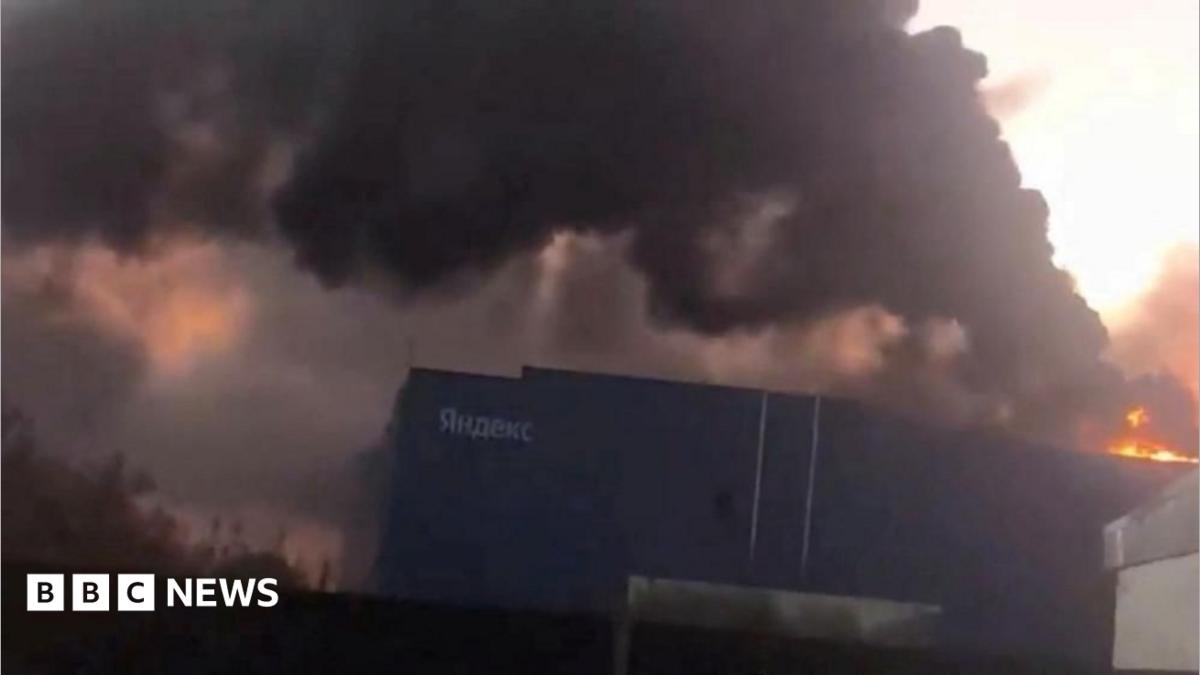
Russia's premier technology firm Yandex has warned of widespread digital service disruptions following targeted Ukrainian strikes on critical data centre infrastructure, exposing deep vulnerabilities in domestic commercial networks.
Geopolitical & Core Developments
The ongoing conflict between Russia and Ukraine has formally entered a critical technological dimension following targeted strikes on vital digital infrastructure within Russian territory. Yandex, widely recognized as Russia's premier search engine and digital ecosystem provider, formally acknowledged that its customers face persistent service disruptions. These operational bottlenecks stem directly from kinetic military operations directed against server farms and data processing hubs essential to the firm's architecture.
Often described as Russia's domestic equivalent to Google, Yandex manages everything from web navigation and cloud computing to ride-sharing and logistics networks. The recent kinetic strikes mark a significant escalation in strategic targeting, moving beyond traditional military installations and energy grids to encompass the digital backbone of the Russian economy. Intelligence analysts note that as both state actors increasingly leverage asymmetric warfare, critical civilian-commercial infrastructure has become a primary domain of strategic attrition, testing the resilience of state-backed technological sovereignty.
Global Trade & Economic Ripples
The degradation of Yandex data infrastructure carries immediate commercial and operational repercussions for cross-border trade, regional supply chains, and enterprise digitization. International corporations operating within the Commonwealth of Independent States, as well as global logistics providers relying on integrated digital routing systems, have reported cascading software latencies and logistical delays.
Furthermore, the incident underscores the heightened vulnerability of cloud computing architectures and localized server farms in active conflict zones. Global commodity markets and financial institutions trading in Russian-linked assets face renewed uncertainty as systemic technological instability threatens automated trade execution, inventory management, and digital payment rails. Insurers are concurrently re-evaluating cyber and physical risk premiums for technology assets deployed across Eastern Europe, driving up operating costs for multinational firms maintaining regional footprints.
Related Intelligence: West Bank Violence Threatens Regional Stability and Agricultural Supply Chains
International Reactions & Diplomatic Stances
Official responses from multilateral institutions and Western governments have remained measured, reflecting the sensitive nature of military operations involving critical civilian technology assets. However, cybersecurity agencies across the European Union and North America are closely monitoring the incident as a watershed moment in modern conflict, where commercial tech infrastructure functions simultaneously as an economic engine and a strategic vulnerability.
Market analysts and geopolitical risk consultancies point out that the strikes demonstrate the diminishing separation between civilian enterprise networks and state-directed military campaigns. While international humanitarian and trade bodies continue to assess the broader implications for civilian communications, foreign investors are interpreting the developments as a clear signal that no sector of the Russian domestic economy remains insulated from the kinetic realities of the war.
Strategic Outlook & Future Scenarios
Looking ahead, the targeting of Yandex infrastructure signals a permanent shift in how modern interstate conflicts will be contested. Future escalation trajectories suggest that both offensive cyber operations and physical kinetic strikes will increasingly converge on data centres, semiconductor supply chains, and telecommunications nodes.
For corporate leadership teams, the immediate takeaway is the urgent necessity of decentralizing data storage, enhancing physical asset hardening, and establishing robust business continuity protocols. As diplomatic channels remain deadlocked and the conflict persists, the intersection of digital infrastructure and national security will continue to generate profound volatility for international commerce, global technology investments, and cross-border digital trade corridors.
Join Our Official WhatsApp Channel
Receive live commodity alerts, policy changes, and commercial intelligence directly on WhatsApp.