
Russia Denies Anti-Plague Restrictions Following Siberia Laboratory Fatality
Russian health watchdogs denied implementing emergency anti-plague protocols after a Siberian laboratory technician's death, as international health agencies assessed domestic transmission risks as minimal.
The Core Development
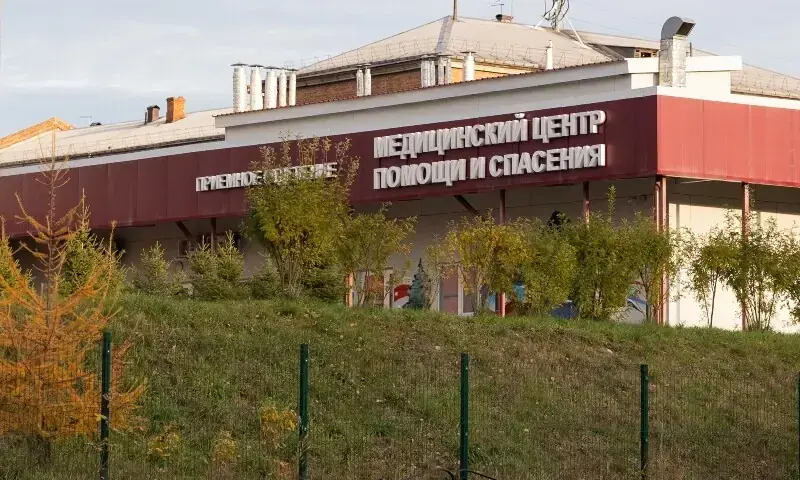
Russian health authorities have firmly denied the implementation of special anti-plague measures following the reported death of a laboratory technician in the Siberia region of Irkutsk. Last week, independent reports surfaced indicating that a staff member at a specialized anti-plague research institute had succumbed to pneumonic plague, triggering widespread public concern across domestic and international channels. Despite the circulating reports, the federal consumer rights and human well-being watchdog, Rospotrebnadzor, rejected the validity of an online document suggesting that emergency containment protocols had been activated.
In an official statement released via Telegram, Rospotrebnadzor categorized the circulating directives as fabricated, emphasizing that the documents did not originate from authorized governmental bodies. The agency maintained that the official cause of death remains unconfirmed pending comprehensive forensic and epidemiological investigations. Reassuring the public, authorities confirmed that the epidemiological situation across the Irkutsk region remains strictly stable, with standard monitoring protocols functioning normally without escalating to emergency restrictions.
Commercial & Economic Implications
While the direct public health emergency has been contained by official denials, global commodities markets, supply chain logistics, and bilateral trade corridors monitor biosecurity incidents with heightened vigilance. Although the United Nations health agency confirmed that the immediate risk of wider transmission is low, any suggestion of biological containment issues within major transit and research hubs creates potential psychological ripples across international agricultural and raw material supply chains originating from Central and North Asia.
For emerging trade partners such as Pakistan, maintaining stability in international supply chains is paramount. Disruptions or strict quarantine protocols in major Eurasian grain and fertilizer transit corridors could indirectly influence import parity pricing and freight insurance premiums. Wholesale distributors and commodity traders trading with Eurasian Economic Union member states evaluate these developments closely to preempt any speculative volatility in import costs, domestic retail pricing, or maritime and overland logistics.
Related Intelligence: Black Sea Vessel Attacks Trigger Regional Security and Trade Alarm
Stakeholder Perspectives & Market Reactions
International public health organizations, including the World Health Organization, have stepped in to provide objective assessments, noting that routine laboratory safety protocols in Russian research facilities are subject to stringent oversight. Domestic civil society groups and independent media outlets, such as the People of Baikal, initially highlighted transparency gaps regarding the exact laboratory conditions and the timeline of the worker's illness, underscoring the delicate balance between public safety communication and state-managed information.
Industry bodies and trade associations in developing markets emphasize the necessity of transparent international reporting to prevent premature market panic. Legal and trade analysts point out that while sovereign health watchdogs retain the prerogative to manage internal communications, prompt and verifiable data sharing remains crucial for maintaining investor confidence and ensuring uninterrupted cross-border commercial exchanges.
Forward Outlook & Key Watchpoints
Looking ahead, international health monitors and trade analysts will closely track the final conclusions of the investigative committees examining the Irkutsk laboratory incident. Key indicators to monitor include official autopsy findings, any subsequent policy adjustments regarding high-containment biological research facilities in Siberia, and potential updates from international health authorities regarding enhanced biosafety audits.
For business communities and policymakers in Pakistan and wider trade networks, the primary watchpoints involve monitoring Eurasian transport corridors for any localized sanitary interventions. As long as Rospotrebnadzor maintains that the regional health situation is stable and free of special restrictions, commercial shipping, bilateral trade agreements, and commodity exchanges are expected to proceed without operational interference.
Join Our Official WhatsApp Channel
Receive live commodity alerts, policy changes, and commercial intelligence directly on WhatsApp.