
Rubio Warns of Iraqi Balkanisation Amid Rising Geopolitical Tensions
US Secretary of State Marco Rubio has raised alarms regarding the potential balkanisation of Iraq, triggering widespread concern across global diplomatic and commodity markets.
Geopolitical & Core Developments
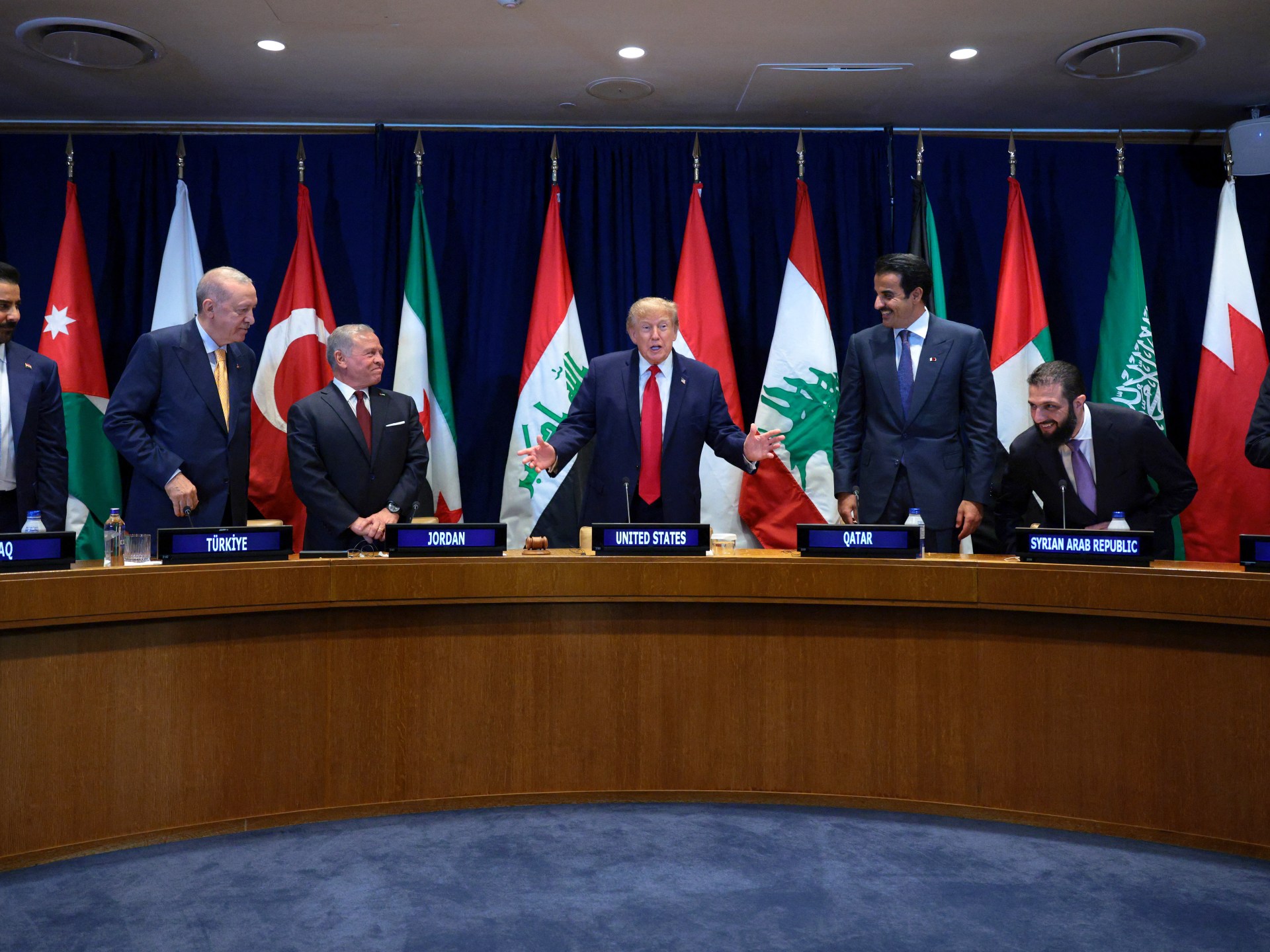
The specter of state fragmentation in Iraq has re-entered the forefront of international diplomacy following stark warnings issued by US Secretary of State Marco Rubio. The high-stakes assessment followed a pivotal bilateral meeting between US leadership, including President Donald Trump, and the Iraqi Prime Minister on the sidelines of the United Nations General Assembly (UNGA). Rubio's assessment underscores mounting anxieties over internal political fractures, resurgent sectarian pressures, and the precarious balance of power within Iraq's federal structure. For years, Baghdad has struggled to maintain a cohesive national identity while balancing influence from neighboring regional powers. The renewed debate over 'Balkanisation'—the division of a state into smaller, mutually hostile territories or ethnic enclaves—reflects deep-seated structural vulnerabilities. Observers note that weakening central authority, combined with competing armed factions and administrative corruption, creates a fertile ground for territorial disintegration. Strategic stakes are exceptionally high, as any sustained political fracture in Iraq risks destabilizing the broader Levant and Persian Gulf regions, drawing in external actors and exacerbating proxy conflicts.
[Global Trade](/news/trump-xi-summit-trade-tech-taiwan-iran) & Economic Ripples
Beyond the immediate political ramifications, the prospect of an unstable or fractured Iraq carries profound implications for global energy markets and international commerce. As one of the Organization of the Petroleum Exporting Countries (OPEC) premier producers, Iraq anchors a significant share of daily global crude output, much of which flows through critical maritime chokepoints and overland pipelines. Any credible threat of internal conflict or regional balkanisation immediately reverberates through energy trading desks, triggering volatility in Brent and WTI crude benchmarks. Global commodity traders are closely monitoring security developments around major southern oil fields and export terminals in Basra. Furthermore, international shipping lanes traversing the Persian Gulf and the Strait of Hormuz remain acutely sensitive to geopolitical friction in Mesopotamia. Supply chains dependent on Middle Eastern energy inputs face heightened risk premiums, driving up operational costs for maritime logistics, petrochemical manufacturing, and global transport networks. Currency markets, particularly emerging market pairings tied to energy import reliance, also experience increased volatility as investors reprice sovereign risk.
Related Intelligence: Hurricane Polo Threatens Mexican Infrastructure and Key Supply Chains
International Reactions & Diplomatic Stances
The international community has responded to Rubio's warnings with a mixture of diplomatic alarm and cautious reassessment. Multilateral institutions, including the United Nations and the Arab League, have reiterated the critical importance of preserving Iraq's territorial integrity and national sovereignty. European Union diplomats have stressed that institutional reforms and inclusive governance in Baghdad are the only viable bulwarks against state collapse. Meanwhile, regional powers maintain competing calculations; while some capitals advocate for immediate financial and security assistance to shore up the central government, others position themselves to exert greater influence over autonomous regional entities should fragmentation accelerate. Market analysts and geopolitical risk consultancies have upgraded their threat assessments for the region, advising institutional investors to factor prolonged political instability into long-term infrastructure and energy project valuations across the Mesopotamian basin.
Strategic Outlook & Future Scenarios
The trajectory of Iraq's political stability will heavily depend on upcoming domestic legislative cycles, budgetary negotiations between Baghdad and the Kurdistan Regional Government, and the efficacy of US-Iraqi security cooperation frameworks. Diplomatic engagements scheduled for upcoming international summits will likely focus on bolstering state institutions and mitigating external interference. Should central authorities successfully implement administrative decentralisation without sacrificing national unity, the threat of balkanisation may recede. However, failure to address deep economic grievances and security deficits could accelerate centrifugal forces, leading to a de facto partition of the country. For international policymakers and global commodity markets, navigating this volatile horizon demands constant vigilance, agile risk management, and preparedness for sudden geopolitical shifts in the heart of the Middle East.
Join Our Official WhatsApp Channel
Receive live commodity alerts, policy changes, and commercial intelligence directly on WhatsApp.