
Punjab Enforces Sweeping Ban on Smart Glasses and Covert Recording Devices
The Punjab government has imposed an immediate ban on the sale and use of smart glasses and disguised recording devices under Section 144, disrupting electronics retail channels.
The Core Development
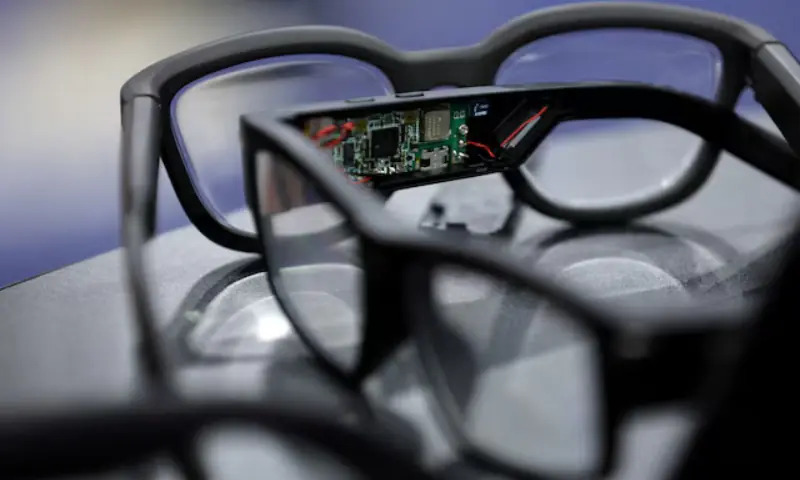
The Punjab government has formally instituted a province-wide ban on the use, commercial display, wholesale distribution, and retail sale of camera-enabled smart glasses and miniature surveillance devices disguised as everyday consumer items. The directive was issued with immediate effect by the Secretary of the Punjab Home Department through the invocation of powers conferred under Section 144 of the Code of Criminal Procedure (CrPC), 1898.
According to the official notification, the restriction explicitly prohibits any individual from wearing, operating, or carrying camera-enabled eyewear equipped with covert recording capabilities. It simultaneously outlaws miniature recording hardware integrated into mundane objects such as pens, keychains, USB drives, buttons, and decorative accessories. The regulatory mandate clearly delineates between covert surveillance gear and mainstream personal electronics; the order explicitly excludes laptops, handheld tablets, standard smartphones, and digital terminal equipment formally certified and approved by the Pakistan Telecommunication Authority (PTA). Law enforcement agencies across Punjab have been directed to enforce compliance strictly, initiating legal proceedings against violators under Section 188 of the Pakistan Penal Code.
Commercial & Economic Implications
The abrupt regulatory intervention carries tangible economic ramifications for the consumer electronics and grey-market import ecosystems in Punjab. Major wholesale tech hubs, particularly Lahore's Hall Road and Hafeez Centre, alongside commercial distribution clusters in Rawalpindi, Faisalabad, and Multan, have seen trade in specialized wearable electronics halt instantly.
Traders dealing in imported consumer gadgets face immediate balance sheet risks. While high-end smart glasses represent a niche luxury segment, lower-cost miniature recording units sourced primarily through informal import channels from China hold substantial volume among budget electronics vendors. Retailers now face stranded inventory that cannot be legally liquidated or returned to overseas suppliers, forcing abrupt inventory write-offs. Furthermore, supply chain intermediaries that service private security contractors, academic supply stores, and investigative agencies are reassessing compliance protocols to avoid penal actions, causing short-term friction across specialized electronics logistics.
Related Intelligence: Peru Wealth Disparity Surges as Richest Capture Bulk of Economic Gains
Stakeholder Perspectives & Market Reactions
The provincial directive has provoked contrasting reactions across commercial and civil liberties spheres. Electronics trader associations have expressed operational concerns regarding the short implementation window. Commercial representatives argue that while regulatory oversight on covert surveillance is understandable from a security standpoint, the lack of an inventory adjustment window leaves small shopkeepers vulnerable to aggressive police raids and extortion.
Conversely, legal analysts and privacy advocates have broadly recognized the necessity of mitigating invasive surveillance. The proliferation of accessible, high-definition miniature recording equipment has increasingly posed severe risks to personal privacy, institutional integrity, and academic examination protocols. Instances of illicit exam cheating rings employing micro-cameras and unauthorized recordings in sensitive corporate or private spaces have surged in recent years. However, legal observers note that utilizing Section 144—a temporary emergency measure—highlights structural deficits in Pakistan's broader consumer privacy legislation, which still lacks a permanent statutory framework governing personal surveillance technologies.
Forward Outlook & Key Watchpoints
The operational trajectory of this ban depends on the consistency and scope of enforcement by provincial police and district administrative authorities. Market participants are monitoring whether the Home Department will extend the temporary restrictions through successive notifications or transition the policy into a permanent legislative act passed by the Punjab Assembly.
In the near term, joint inspection teams are expected to conduct monitoring operations across major commercial electronics markets to confiscate contraband stock. Concurrently, federal border enforcement and customs clearance desks at air cargo terminals and land ports are anticipated to tighten scrutinization of smart wearable imports to stem cross-border inflows. Importers and commercial distributors must establish clear compliance mechanisms to verify PTA conformity on multi-functional eyewear and wearable technologies, ensuring future product lines do not run afoul of evolving surveillance jurisprudence.
Join Our Official WhatsApp Channel
Receive live commodity alerts, policy changes, and commercial intelligence directly on WhatsApp.