
PTI-Government Dialogue Stalls as Political Deadlock Strains Economic Stability
Negotiations between the federal government and Pakistan Tehreek-e-Insaf remain deadlocked without progress. The ongoing impasse heightens systemic policy uncertainty and threatens fragile macroeconomic stabilization under the country's IMF program.
The Core Development
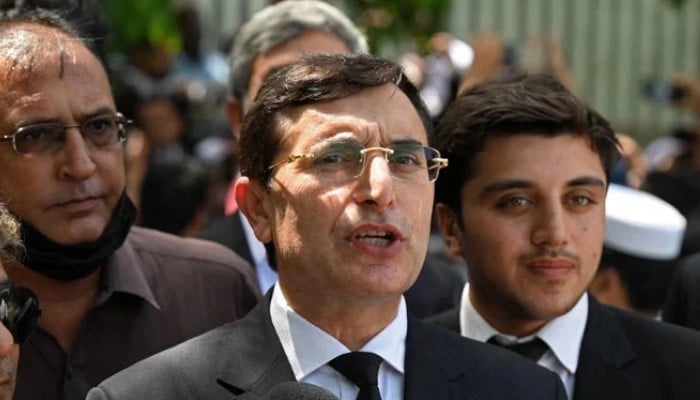
Pakistan Tehreek-e-Insaf (PTI) Chairman Barrister Gohar Ali Khan confirmed that backchannel communications and preliminary discussions with the ruling coalition government have reached an impasse, citing a deeply polarized and frosty political climate. Speaking to media representatives in Islamabad, Barrister Gohar stated that despite intermittent overtures, no structural headway has been achieved toward resolving systemic disputes between the opposition and the federal administration.
The core friction remains centered on the continued incarceration of PTI founder Imran Khan, ongoing legal challenges surrounding the February 2024 general elections, and contentious legislative maneuvers, including the passage of the 26th Constitutional Amendment. Government representatives have maintained that formal dialogues can only proceed within strictly constitutional frameworks and without preconditions. However, the opposition insists that meaningful negotiations are untenable while party workers face widespread administrative detentions and legal sanctions. The absence of an institutional mediation mechanism has frozen high-level political interaction, entrenching positions on both sides.
Commercial & Economic Implications
The prolonged state of political paralysis carries direct consequences for Pakistan's fragile economic landscape. As the country navigates a stringent 37-month, $7 billion Extended Fund Facility (EFF) agreed with the International Monetary Fund (IMF), sustained policy predictability is paramount. The deadlock threatens to weaken market sentiment, divert executive focus from fiscal consolidation, and compromise structural reform milestones, including state-owned enterprise restructuring and energy sector circular debt reduction.
For retail trade and wholesale distribution networks across major urban commercial hubs like Karachi, Lahore, Faisalabad, and Rawalpindi, political friction creates real operational vulnerabilities. Recurring threats of civil unrest, sit-ins, and transport blockades directly disrupt supply chains, particularly freight movements traversing the northern corridor linking Punjab with Khyber Pakhtunkhwa. Wholesale distributors have increasingly adopted a risk-averse posture, curtailing credit cycles, operating on shorter inventory holding periods, and hesitating to commit capital to long-term procurement. This uncertainty fuels speculative pricing in FMCG and agricultural commodities, indirectly exerting upward pressure on headline consumer inflation.
Related Intelligence: MQM-P Demands Sindh Administrative Restructuring and Direct NFC Fund Allocations
Stakeholder Perspectives & Market Reactions
The business community and industrial bodies have expressed acute frustration over the continuing standoff. Representatives from the Federation of Pakistan Chambers of Commerce and Industry (FPCCI) and regional merchant associations, including the All Pakistan Anjuman-e-Tajiran, have repeatedly warned that economic revitalization cannot take root in a vacuum of political stability. Traders emphasize that the commercial sector is already struggling under historic energy tariffs, elevated borrowing costs, and aggressive revenue mobilization drives. Additional layers of political volatility further suppress consumer demand and deter domestic capital reinvestment.
Financial market participants share a similar outlook. While the Pakistan Stock Exchange (PSX) has shown resilience driven by macroeconomic stabilization indicators and remittance inflows, institutional investors remain wary of sudden policy shifts or escalation into street agitation. Currency dealers noted that sustained political friction complicates foreign portfolio inflows, as global emerging-market funds demand clear visibility on long-term institutional stability before allocating risk capital to sovereign debt instruments.
Forward Outlook & Key Watchpoints
In the near term, the impasse appears set to persist unless non-partisan institutional interlocutors facilitate an off-ramp. Over the coming weeks, market analysts will closely monitor whether the opposition pivots toward street mobilization and nationwide protest calls, which could disrupt retail footfall and transport corridors. Key milestones to watch include the execution of IMF quarterly fiscal targets, provincial revenue mobilization performances, and pending judicial rulings on election dispute petitions. A continued failure to bridge the political divide risks undermining hard-won macroeconomic stabilization gains and dampening wholesale market confidence heading into the subsequent fiscal quarters.
Join Our Official WhatsApp Channel
Receive live commodity alerts, policy changes, and commercial intelligence directly on WhatsApp.