
Monaco Bombing Suspect Breaks Silence Amid High-Stakes Investigation
Key suspect Vitalii Zhykovych has broken his silence regarding the brazen Monaco car bombing targeting Ukrainian tycoon Vadym Yermolayev, exposing deep transnational security vulnerabilities.
Geopolitical & Core Developments
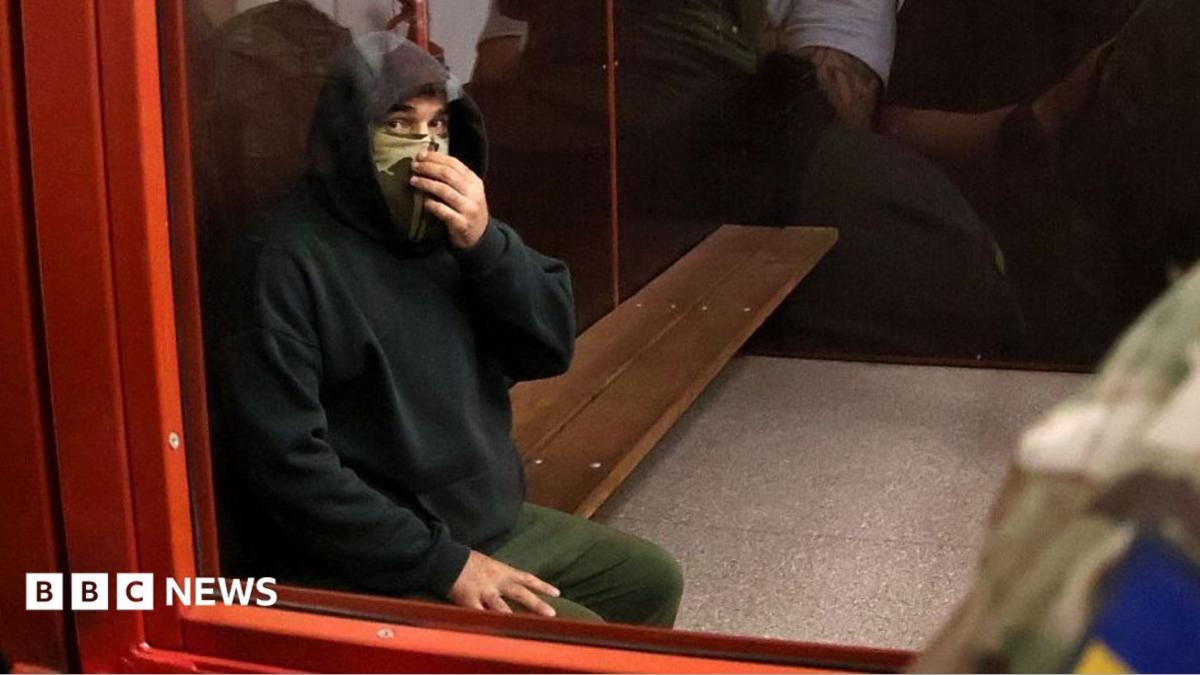
The quiet Mediterranean enclave of Monaco became the epicenter of an international security crisis following a brazen assassination attempt against Ukrainian-born millionaire and industrialist Vadym Yermolayev. The attack, executed via an explosive device planted on Yermolayev's vehicle, pierced the illusion of absolute safety that attracts the global elite to the principality. In a dramatic turn of events, Vitalii Zhykovych, a primary suspect linked directly to the operation, has broken his silence in an exclusive interview with international broadcasters, providing a contested narrative of the events that transpired.
The unfolding judicial and investigative process has revealed a sophisticated cross-border conspiracy involving operatives moving seamlessly across European jurisdictions. French and Monégasque security services, working in tandem with international intelligence agencies, have meticulously pieced together a timeline that spans multiple European capitals. The incident highlights the growing challenge of policing transnational organized crime and targeted violence within sovereign microstates whose open borders and financial secrecy laws present unique vulnerabilities for modern law enforcement.
[Global Trade](/news/wto-upgrades-global-trade-forecast-pakistan-gains-middle-east-disruptions) & Economic Ripples
While ostensibly a localized criminal act, the Monaco bombing carries significant reverberations for global commerce, particularly concerning the safety and mobility of international capital and ultra-high-net-worth individuals. Vadym Yermolayev, whose extensive business empire spans real estate, agriculture, and industrial manufacturing across Eastern Europe, represents a class of cosmopolitan entrepreneurs whose personal security directly impacts complex corporate supply chains and investment portfolios.
The incident has prompted immediate risk assessments among international financial institutions and family offices managing assets in prime European wealth hubs. Insurance premiums for high-end properties and armored transit fleets across the French Riviera have surged following the attack. Furthermore, the exposure of vulnerabilities within Monaco's security apparatus threatens to trigger stricter regulatory compliance and surveillance measures, potentially altering the frictionless movement of capital and personnel that underpins the principality's financial services sector.
Related Intelligence: Court of Arbitration for Sport to Deliver Verdict on Senegal-Morocco AFCON Dispute
International Reactions & Diplomatic Stances
Official responses from European governments and multilateral security organizations have underscored the gravity of cross-border targeted violence within the Schengen area. Interpol and Europol have intensified coordination to track down remaining co-conspirators, emphasizing that safe havens for transnational criminal networks will face coordinated diplomatic and legal pressure. Financial regulatory bodies have likewise increased scrutiny on the movement of funds associated with the principals involved in the case.
Market analysts and geopolitical risk consultants view the event as a watershed moment for security architecture in Western European financial centers. Multilateral trade bodies have expressed concern that escalating personal vendettas and state-adjacent proxy conflicts are increasingly spilling over into civilian commercial hubs, threatening the stability of international business operations and executive mobility.
Strategic Outlook & Future Scenarios
As the legal proceedings against Zhykovych advance through the Monégasque judicial system, investigators anticipate further revelations regarding the ultimate orchestrators of the assassination plot. Upcoming court hearings are expected to shed light on wider networks of mercenary operatives utilizing European territories for settling foreign scores.
Looking ahead, governments across the European Union are poised to tighten intelligence-sharing protocols and re-evaluate security cooperation agreements with non-EU microstates. For international corporations and wealthy investors, the overarching takeaway is a permanent shift toward heightened security postures, signaling that traditional safe havens must now adapt to an era of heightened geopolitical volatility and targeted cross-border threats.
Join Our Official WhatsApp Channel
Receive live commodity alerts, policy changes, and commercial intelligence directly on WhatsApp.