
PPP Rejects Opposition Long March Amid Economic Stability Concerns
The Pakistan Peoples Party has rejected the opposition's planned September 27 long march to Islamabad, urging both sides to prioritize economic stability and public relief through dialogue.
The Core Development
The political landscape of Pakistan has intensified following the Pakistan Peoples Party's (PPP) formal rejection of the opposition's announced long march from Peshawar to the federal capital, slated for September 27. The ruling-adjacent party has adopted a firm stance against confrontational politics, emphasizing the heavy collateral damage that mass political rallies inflict upon the administrative machinery and civilian population.
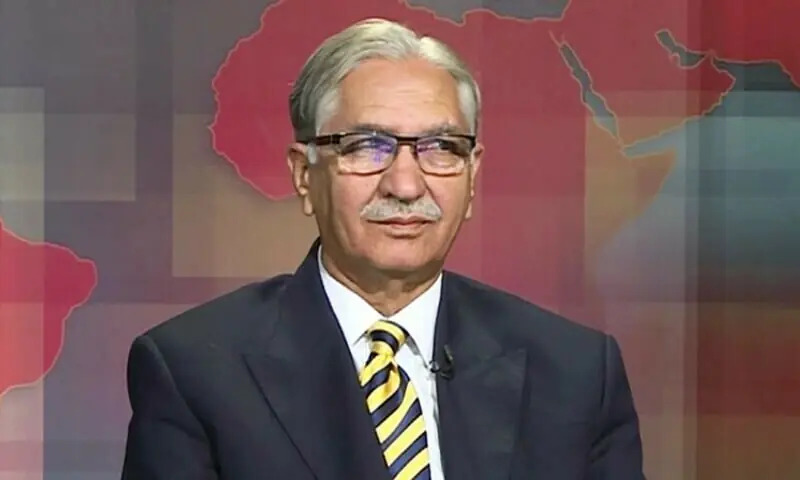
In a policy statement issued on Tuesday, PPP Secretary General Nayyer Hussain Bukhari underscored the recurring patterns of disruption witnessed during previous major political mobilizations, referencing events such as May 9 and November 26. The party's leadership argued that protracted street agitation fails to advance democratic norms and instead paralyzes government functions in Islamabad while creating severe administrative bottlenecks across major provincial transit corridors connecting Khyber Pakhtunkhwa to Punjab and the capital territory.
Commercial & Economic Implications
For the domestic business community, particularly wholesalers, retailers, and supply chain operators represented by networks like Kalyar Traders, political uncertainty translates immediately into commercial contraction. Frequent lockdowns, road closures, and containerized blockades along the Grand Trunk Road and motorway networks severely obstruct the smooth flow of goods, raw materials, and agricultural produce from production hubs to consumer markets.
Supply chain friction directly inflates logistics costs, which are ultimately passed down to retail consumers already grappling with persistent inflation and elevated utility tariffs. Wholesale distribution networks in major urban centers report sharp dips in daily transaction volumes during periods of heightened political tension, as commercial districts shutter prematurely to preempt civil unrest. Sustained disruptions undermine investor confidence, stall retail trade recovery, and impede the broader macroeconomic stabilization trajectory pursued by financial authorities.
Related Intelligence: South Africa Police Scandal Shakes Security Apparatus and Investor Confidence
Stakeholder Perspectives & Market Reactions
Economic analysts, trade unions, and industrial chambers have echoed the PPP's appeals for restraint, warning that the national economy cannot absorb the financial shocks of prolonged civil agitation. Representatives from various chambers of commerce across Punjab and Khyber Pakhtunkhwa noted that business sentiment remains highly fragile, sensitive to any escalation of hostilities between the federal administration and opposition factions.
Legal experts and governance specialists have similarly stressed the imperative of channeling political disputes through parliamentary mechanisms rather than street mobilization. Business associations have formally urged both the federal government and opposition leadership to establish formal negotiating channels to resolve administrative and legislative standoffs, thereby shielding commercial activity from partisan friction.
Forward Outlook & Key Watchpoints
As the September 27 target date approaches, market participants and logistics operators are closely monitoring security preparations and potential containment measures deployed by law enforcement agencies in Islamabad and Rawalpindi. Key indicators to watch include container placement schedules along major entry points, inter-provincial transport advisories, and any last-minute judicial interventions or political compromises.
The ultimate trajectory of retail prices, consumer footfall in metropolitan commercial zones, and wholesale inventory turnover will depend heavily on whether political actors heed calls for dialogue or proceed with confrontational mobilization strategies.
Join Our Official WhatsApp Channel
Receive live commodity alerts, policy changes, and commercial intelligence directly on WhatsApp.