
Police Scuttle Swabi Convention Amid Khyber Pakhtunkhwa Emergency
Police intervention in Swabi successfully blocked a planned PTI political convention following the imposition of governor rule and emergency measures across Khyber Pakhtunkhwa, triggering widespread economic and commercial concerns.
The Core Development
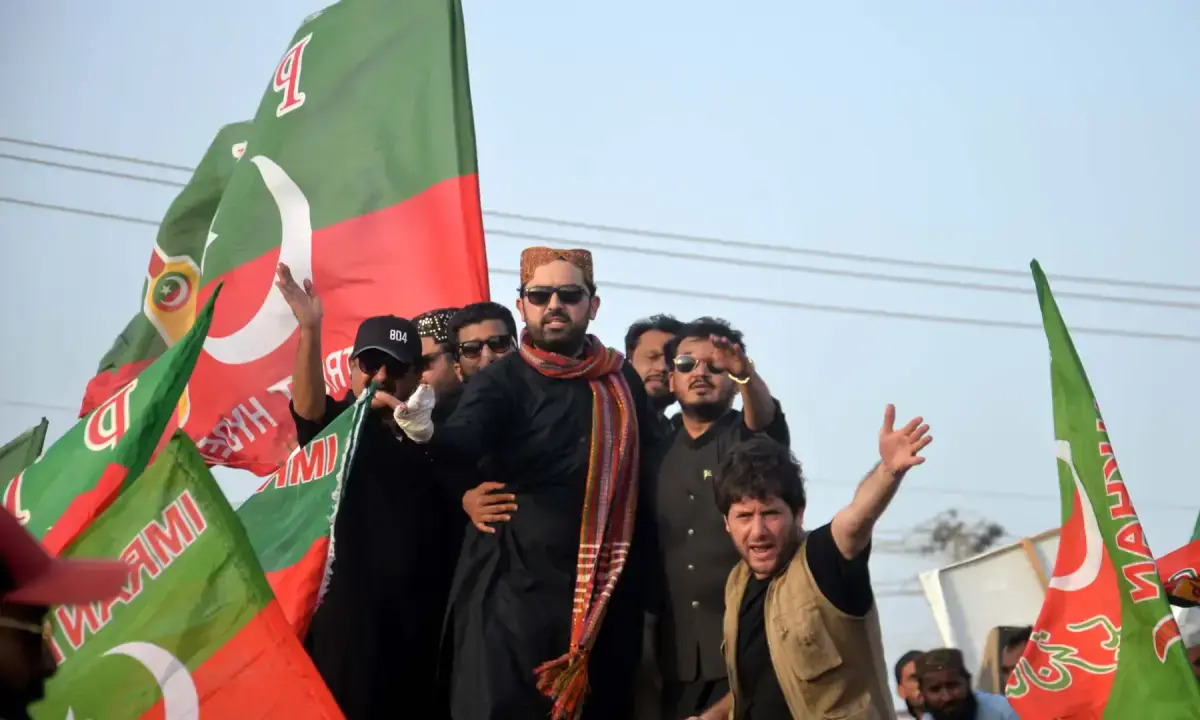
Law enforcement authorities in Swabi launched a sweeping series of coordinated raids across multiple jurisdictions on Sunday to prevent a major political gathering organized by the opposition Pakistan Tehreek-e-Insaf (PTI). The crackdown targeted various neighborhoods to arrest party workers and dismantle preparations for a scheduled public meeting in the Shewa Adda area of Razaar tehsil. According to detailed field reports, former Khyber Pakhtunkhwa chief minister Sohail Afridi had planned to arrive at Shewa Adda on Sunday evening to address party cadres and local supporters.
However, the rapid implementation of governor rule and a declared state of emergency in the province fundamentally altered the security landscape, rendering the scheduled venue untenable. Despite the interdiction, subterranean communication networks among PTI organizers prompted local leaders to redirect workers toward the Razaar Sports Complex in Shewa Adda as an alternative rendezvous point. In response, heavy police contingents initiated aggressive patrols across Shewa Adda and surrounding arterial routes, establishing checkpoints and deploying substantial forces at strategic nodes such as Karnal Sher Khan Chowk to intercept convoys and enforce the emergency prohibitions.
Commercial & Economic Implications
For commercial enterprises, wholesale distributors, and retail markets operating within Khyber Pakhtunkhwa, the imposition of emergency rule coupled with active street-level confrontations introduces severe operational volatility. Swabi serves as a crucial commercial transit corridor connecting major industrial zones with northern consumer markets. Sudden road closures, heavy police deployments, and preemptive security lockdowns directly impede the frictionless flow of freight transport, raw materials, and perishable agricultural commodities.
Local traders and retail associations report an immediate dampening of commercial activity, with consumer footfall dropping significantly as citizens stay indoors to avoid potential civil unrest. Prolonged political uncertainty and administrative paralysis inevitably exert upward pressure on local retail prices, as logistical bottlenecks inflate transportation overheads. Furthermore, business confidence takes a direct hit, discouraging fresh capital deployment and foreign direct investment into regional trade ventures at a time when Pakistan's broader macroeconomic indicators remain under acute stress from inflation and fiscal tightening.
Related Intelligence: American Ranchers Wrestle with Soaring Costs and Political Loyalty Ahead of Midterms
Stakeholder Perspectives & Market Reactions
Business councils and trade federations have voiced mounting frustration over the recurrent cycle of political turbulence and administrative crackdowns. Representatives from regional chamber bodies noted that continuous disruptions to public assembly and transport networks inflict compounding losses on small and medium-sized enterprises, which constitute the backbone of the provincial economy. Traders argue that emergency measures, while justified by the administration on grounds of public order, exact an unacceptably high economic toll on daily wage earners and shopkeepers.
From a legal and political standpoint, opposition leaders have condemned the police actions as an infringement of constitutional rights and democratic norms, warning that administrative high-handedness will only deepen societal polarization. Conversely, official government sources defend the security clampdown as a necessary preventive mandate under the newly enacted emergency framework, aimed at averting property damage, maintaining public safety, and preserving macroeconomic stability against potential disruptions.
Forward Outlook & Key Watchpoints
As Khyber Pakhtunkhwa navigates this period of heightened administrative exception under governor rule, key market watchers and business analysts are closely monitoring several operational indicators over the coming weeks. Primary among these is the duration and strictness of the emergency protocols, which will dictate whether supply chains remain open or face periodic paralyzing blockades.
Stakeholders will also track potential judicial interventions by opposition lawyers challenging the legality of the assembly bans and mass detentions. For Kalyar Traders and the wider business community, the immediate priority remains risk mitigation, localized inventory management, and maintaining secure transport corridors to safeguard commercial interests against sudden policy shifts or flare-ups in street-level friction.
Join Our Official WhatsApp Channel
Receive live commodity alerts, policy changes, and commercial intelligence directly on WhatsApp.