
Peshawar School Roof Collapse Exposes Commercial Infrastructure Vulnerabilities in KP
A private school roof collapse in Peshawar has injured at least 10 students, triggering renewed scrutiny over building code enforcement and commercial real estate safety standards in Khyber Pakhtunkhwa.
The Core Development
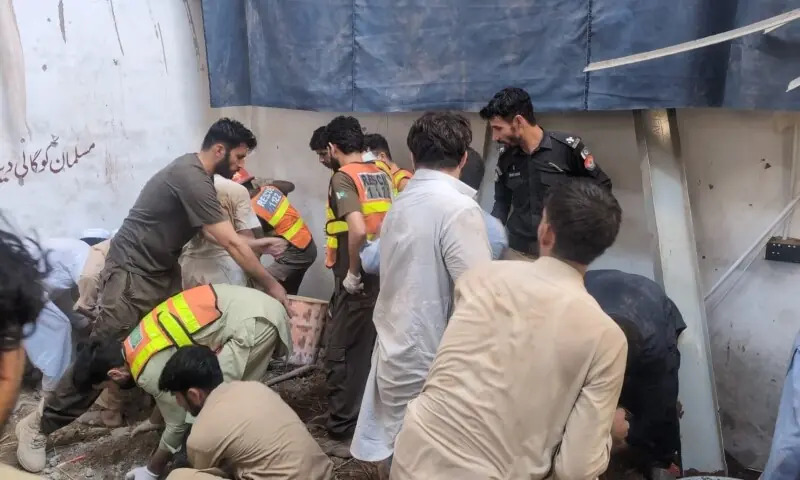
A critical structural failure at a private school facility in Peshawar resulted in the collapse of a roof on Thursday, leaving at least 10 schoolchildren injured and several others temporarily trapped beneath debris. Emergency services, coordinated by Rescue 1122, initiated rapid extraction and triage operations immediately following distress calls from school administrators and residents.
According to official statements released by Rescue 1122, emergency personnel administered on-site first aid before transferring injured students to tertiary healthcare facilities in the provincial capital. Heavy machinery and specialized urban search-and-rescue teams were deployed to clear concrete slabs and verify whether additional individuals remained trapped. Early assessments suggest that structural degradation, combined with inadequate load-bearing maintenance and unverified construction material quality, contributed to the catastrophic failure. Provincial administrative officials have launched a formal inquiry into the licensing, physical inspection history, and safety clearances of the facility.
Commercial & Economic Implications
While primarily a human safety crisis, the incident underscores significant commercial and economic vulnerabilities across Pakistan's private social infrastructure sector. In Khyber Pakhtunkhwa, private educational institutions represent a substantial share of commercial real estate tenancy and localized service economy activity. Neglect of municipal building safety codes frequently correlates with cost-cutting practices in commercial construction, including the procurement of substandard steel rebar, diluted cement mixtures, and uncertified contractor services.
Should the provincial government enforce stringent structural compliance across all registered private schools and commercial properties, operators will face immediate capital expenditure requirements for engineering audits and structural retrofitting. In the wholesale building materials supply chain, scrutiny is likely to tighten on non-standard construction inputs. Commercial real estate developers and landlords operating converted residential units for institutional use face heightened liability risks, potential lease cancellations, and higher insurance premiums. Consequently, these compliance costs could be passed down to households through higher tuition fees and ancillary operational charges, compounding broader inflationary pressures on domestic consumers.
Related Intelligence: پشاور بی آر ٹی بسوں کی پنجاب منتقلی کی حقیقت اور اس کے معاشی و انتظامی اثرات
Stakeholder Perspectives & Market Reactions
The collapse has drawn intense condemnation from civic bodies, parent associations, and engineering professionals across Pakistan. The Pakistan Engineering Council (PEC) and municipal urban planning experts have repeatedly warned against the unchecked conversion of non-engineered commercial spaces into public gathering sites. Industry analysts note that municipal authorities frequently lack the inspection capacity required to monitor structural integrity across secondary and tertiary urban centers.
Representatives of private school management associations have expressed deep concern over the tragedy while urging the provincial administration not to impose blanket administrative shutdowns that disrupt academic continuity. Simultaneously, legal experts emphasize that institutional owners and property proprietors could face criminal negligence charges alongside civil liability claims under occupational and public safety laws. Public sentiment remains acutely critical of regulatory oversight, with calls mounting for immediate, transparent audits of private commercial compounds.
Forward Outlook & Key Watchpoints
Moving forward, the primary watchpoint will be the release of the technical inspection report commissioned by the district administration in Peshawar. This assessment will define whether punitive actions, including asset freezes or license cancellations, will be levied against the school's administration and the building's owners.
Over the medium term, market participants should monitor potential policy revisions by the Khyber Pakhtunkhwa Urban Mobility and Building Control authorities. A mandatory structural safety certification regime could disrupt the commercial property leasing market, particularly for low-cost private academies and commercial nurseries operating in older architectural corridors. Enforcement rigor will indicate whether institutional reforms will address pervasive building safety deficits or whether structural non-compliance will persist across Pakistan's secondary commercial infrastructure.
Join Our Official WhatsApp Channel
Receive live commodity alerts, policy changes, and commercial intelligence directly on WhatsApp.