
Peru Discovery Expands Biodiversity As Andean Reptile Research Advances
Peruvian researchers have identified a new lizard species in the Andes, adding to the nation's rich ecological repository and advancing high-altitude biological studies.
The Core Development
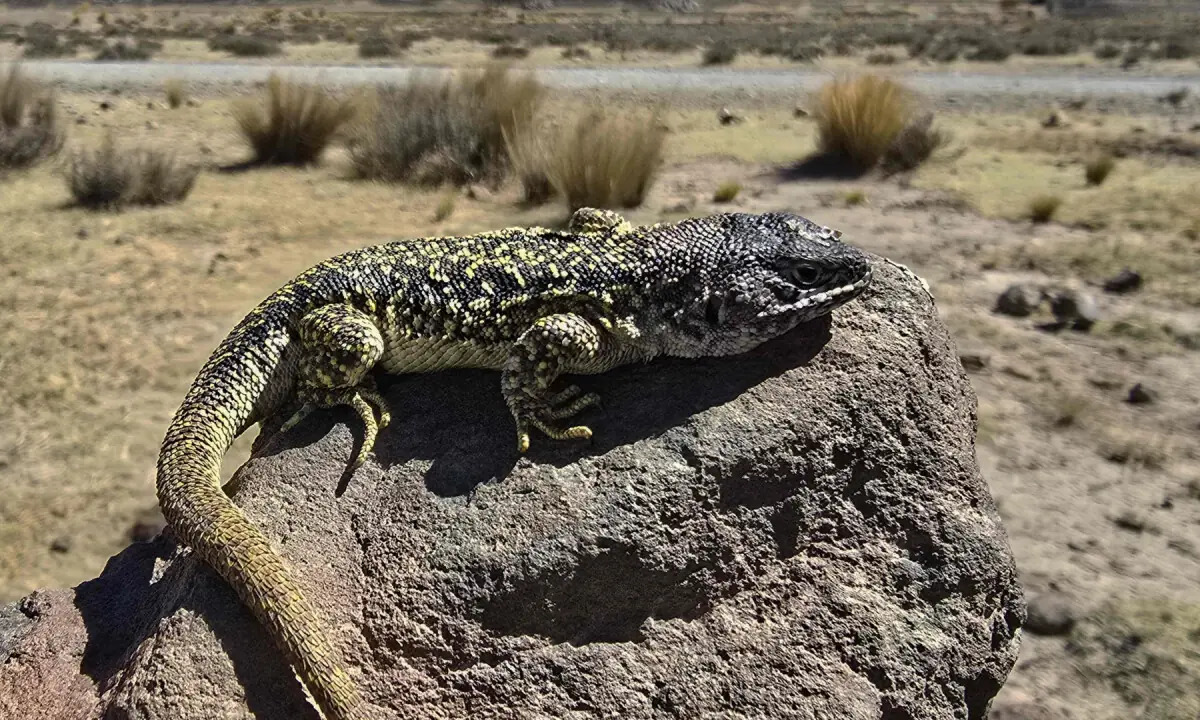
Scientists at the Natural History Museum of San Marcos University announced the formal discovery of a previously unrecorded lizard species nestled within the rugged terrain of the Peruvian Andes. Measuring between six and eight centimetres in length, the newly identified reptile exhibits fascinating morphological adaptations tailored to its high-altitude habitat. Among its most striking characteristics is pronounced sexual dimorphism in coloration and pattern formation.
According to the biological findings released by the research institution, female specimens display distinctive square-shaped spots along their dorsal regions, whereas males are characterized by oblique markings and specialized white scales. These evolutionary traits provide vital camouflage against the rocky, sun-drenched mountain slopes where the species thrives. This discovery elevates Peru's already diverse herpetological count, which previously encompassed more than 290 recognized lizard species, cementing the Andean nation as a global hotspot for biological research and conservation.
Commercial & Economic Implications
While the discovery stems from fundamental ecological research in South America, developments in global biodiversity often reverberate across international markets, particularly within sectors dependent on biological raw materials, environmental governance, and eco-tourism. For markets like Pakistan, where agricultural trade and ecological resource management are critical components of national economic stability, heightened global scrutiny on biodiversity highlights the growing economic value of environmental conservation.
Furthermore, pharmaceutical and agricultural sectors monitor international biodiversity discoveries closely for potential bio-prospecting opportunities. While this specific lizard species represents a localized ecological milestone, the broader framework of cataloging natural assets influences international trade agreements, intellectual property rights concerning genetic resources, and sustainability compliance standards mandated for global supply chains operating across sensitive ecosystems.
Related Intelligence: Geopolitical Stakes Rise as European Sporting Diplomacy and Economic Convergence Collide
Stakeholder Perspectives & Market Reactions
Academic bodies, conservation organizations, and international environmental agencies have lauded the findings published by the Natural History Museum of San Marcos University. Herpetologists emphasize that identifying new vertebrate species in heavily surveyed regions proves that substantial portions of global biodiversity remain undocumented, reinforcing the urgent need for sustained funding in taxonomic research.
Trade and industry associations focusing on environmental compliance note that discoveries of this nature often trigger enhanced regulatory oversight in regions where commercial development intersects with fragile habitats. Policymakers and conservationists continue to debate the balance between economic expansion in Andean sectors—such as mining and infrastructure—and the preservation of endemic wildlife habitats.
Forward Outlook & Key Watchpoints
Following this initial identification, researchers anticipate a series of follow-up expeditions to map the geographic distribution, population density, and conservation status of the newly discovered lizard. Key watchpoints for the scientific community include assessing whether climate change pressures in the Andes threaten the survival of high-altitude endemic reptiles.
For international observers and economic analysts, tracking how nations balance ecological discoveries with industrial development will remain a critical metric for evaluating long-term environmental sustainability and regulatory enforcement in resource-rich economies.
Join Our Official WhatsApp Channel
Receive live commodity alerts, policy changes, and commercial intelligence directly on WhatsApp.