
Paris Court Convicts Swiftair Over 2014 Mali Crash
A French court has fined Spanish carrier Swiftair 225,000 euros for corporate manslaughter following the 2014 Air Algerie crash in Mali.
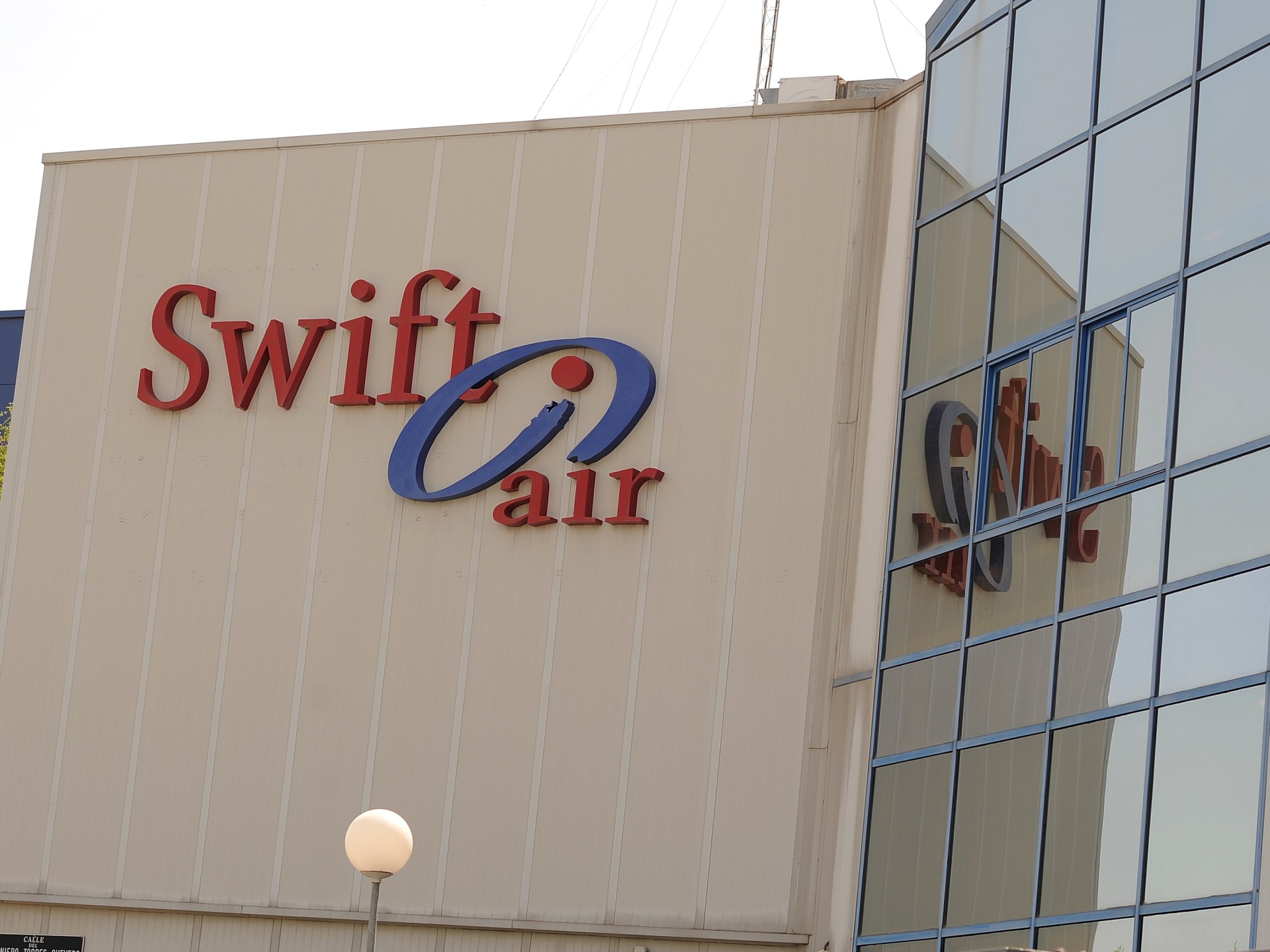
Geopolitical & Core Developments
A French criminal court has found Spanish charter airline Swiftair guilty of corporate manslaughter over the catastrophic July 2014 crash of Air Algerie Flight 5017 in Mali, which claimed all 116 lives on board. The court imposed a fine of 225,000 euros, bringing a measure of formal legal accountability to a decade-long quest for justice by the families of the victims. The flight, operated by Swiftair on behalf of Air Algerie, was en route from Ouagadougou in Burkina Faso to Algiers when it encountered severe weather and plunged into the remote desert of northern Mali.
Investigators concluded that the aircraft entered a severe convective weather system, leading to an aerodynamic stall from which the crew failed to recover. The judicial process scrutinized complex cross-border operational structures, highlighting the regulatory challenges inherent in wet-leasing arrangements where aircraft, crew, maintenance, and insurance are provided by one carrier while commercial operations are handled by another. The ruling reinforces the extraterritorial reach of European judicial bodies when European citizens are among the casualties of international disasters.
Global Trade & Economic Ripples
While the aviation disaster did not directly disrupt global commodity markets or major maritime shipping lanes, the legal precedent carries profound economic implications for the global air cargo and passenger charter sectors. Wet-leasing and ACMI (Aircraft, Maintenance, Insurance, and Crew) contracts are foundational to the flexibility of modern supply chains and seasonal passenger transport. The ruling introduces heightened legal risk and compliance costs for leasing companies and carriers operating across multi-jurisdictional frameworks.
Insurance underwriters and risk assessment firms are expected to recalibrate policies for carriers operating in politically unstable or climatically volatile regions, such as the Sahel. Consequently, premium adjustments will likely ripple through charter market pricing, pressuring operating margins for regional carriers and impacting the cost-efficiency of humanitarian and commercial logistics networks operating across North and West Africa.
Related Intelligence: Nations League Clash Highlights European Diplomatic and Commercial Ties
International Reactions & Diplomatic Stances
Associations representing aviation professionals, victims' families, and international transport safety bodies have closely monitored the proceedings. Representatives for the victims' families expressed relief that institutional responsibility has been legally established, though many argued the financial penalty remains disproportionately low relative to the immense human toll. Civil aviation authorities across the European Union and the African Union have faced renewed calls to standardize oversight mechanisms for cross-border leasing arrangements.
Multilateral bodies, including the International Civil Aviation Organization (ICAO), are anticipated to use this judicial milestone to advocate for more robust safety protocols during severe weather navigation in underserved airspace. Diplomatic channels between France, Spain, Algeria, and Burkina Faso have maintained a cooperative posture throughout the lengthy judicial process, recognizing the necessity of cross-border judicial assistance in international aviation incidents.
Strategic Outlook & Future Scenarios
Looking ahead, the Swiftair verdict is poised to catalyze stricter regulatory scrutiny from the European Union Aviation Safety Agency (EASA) regarding third-country operations and wet-lease approvals. Commercial airlines and charter operators will likely face mandatory audits regarding crew training programs for extreme weather avoidance and meteorological radar utilization, particularly in regions with sparse ground-based monitoring infrastructure like the Sahel.
As global supply chains and aviation networks navigate increasing climatic volatility, legal accountability frameworks will continue to evolve. This judgment establishes a clear warning that corporate entities cannot insulate themselves from liability through complex international leasing structures, permanently altering risk management strategies across the global aviation industry.
Join Our Official WhatsApp Channel
Receive live commodity alerts, policy changes, and commercial intelligence directly on WhatsApp.