
Pakistani Crew Members of Hijacked MT Honour 25 Return Home
The final three Pakistani crew members from the hijacked oil tanker MT Honour 25 are returning to Karachi following a successful maritime rescue operation off the Somali coast.
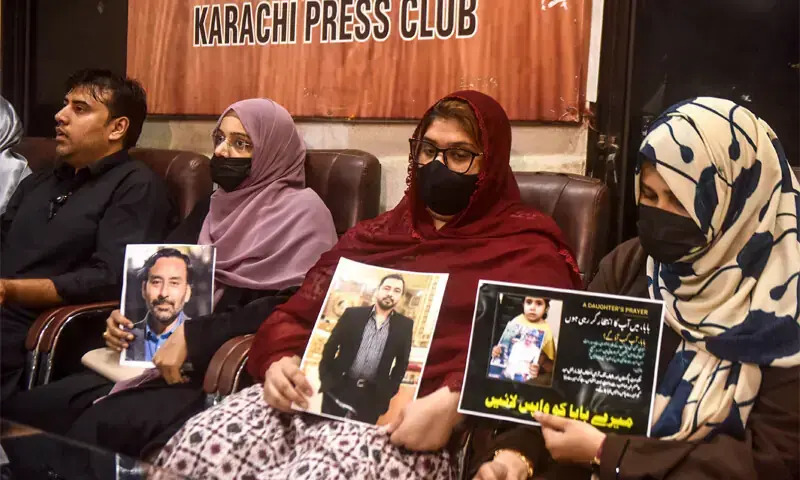
The Core Development
The final three Pakistani crew members aboard the oil tanker MT Honour 25 are scheduled to arrive in Karachi on Wednesday to reunite with their families, according to an official announcement by Deputy Prime Minister and Foreign Minister Ishaq Dar. The arrival marks the concluding chapter of a high-stakes maritime crisis that began in April, when the Palau-flagged vessel was seized by armed pirates off the coast of Somalia.
In late September, the maritime police force of Somalia's semi-autonomous Puntland region successfully recovered the tanker during a targeted operation. The vessel had originally carried a multinational crew of 19 individuals, which included 10 Pakistani nationals. While the rescue operation ultimately secured the vessel and freed the remaining captives, the Foreign Office (FO) later confirmed tragic losses, noting that three Pakistanis were among five crew members who lost their lives during the rescue engagement. Additionally, four other Pakistani sailors sustained injuries during the operation before receiving necessary medical repatriation.
Commercial & Economic Implications
Incidents of maritime piracy along the strategic trade routes off the Horn of Africa carry profound implications for international shipping, maritime logistics, and Pakistan's external trade corridors. While the MT Honour 25 was operating as a commercial oil tanker rather than a domestic state-flagged carrier, disruptions along critical crude and refined product supply chains directly impact maritime insurance premiums, shipping freight rates, and overall operational overheads for regional logistics providers.
For Pakistan, which relies heavily on secure sea lanes for petroleum imports and broader maritime commerce, prolonged security threats in the Gulf of Aden and the Western Indian Ocean introduce cost volatility. Increased risk assessments by international underwriters frequently translate into higher freight surcharges, which can cascade down to wholesale distribution networks, industrial manufacturing inputs, and consumer retail pricing within domestic markets already grappling with inflationary pressures.
Stakeholder Perspectives & Market Reactions
Following the prolonged captivity and subsequent rescue of the seamen, various maritime trade unions, shipping associations, and civil society bodies in Pakistan voiced deep concern regarding the security protocols for seafarers traversing high-risk designated areas. Industry stakeholders have repeatedly called upon international coalition forces, regional authorities, and the Ministry of Maritime Affairs to enhance protective measures and establish rapid response coordination mechanisms for commercial vessels manned by Pakistani nationals.
Official statements from the Ministry of Foreign Affairs underscored the government's persistent diplomatic engagement with regional authorities in Somalia and local law enforcement agencies in Puntland to ensure the safety, medical care, and swift repatriation of all affected citizens. Legal and maritime experts have emphasized the urgent need for enhanced compliance with Best Management Practices (BMP) to deter piracy and safeguard crews operating in volatile geopolitical zones.
Forward Outlook & Key Watchpoints
As the surviving crew members complete their journey back to Karachi, attention shifts toward the long-term security architecture governing Horn of Africa shipping lanes. Key stakeholders will closely monitor international naval deployments, intelligence-sharing frameworks between regional states and foreign navies, and the enforcement of tighter security clearances for commercial vessels operating in piracy-prone sectors.
Furthermore, industry observers will track potential regulatory adjustments by the International Maritime Organization (IMO) and domestic shipping regulators regarding mandatory armed security guards and emergency tracking systems on commercial tankers. Ensuring the uninterrupted flow of maritime trade while safeguarding human lives remains a critical policy imperative for Pakistan's trade authorities and shipping sector moving forward.
Join Our Official WhatsApp Channel
Receive live commodity alerts, policy changes, and commercial intelligence directly on WhatsApp.