
Pakistan, Turkey and Saudi Arabia Convene for High-Level Security Talks
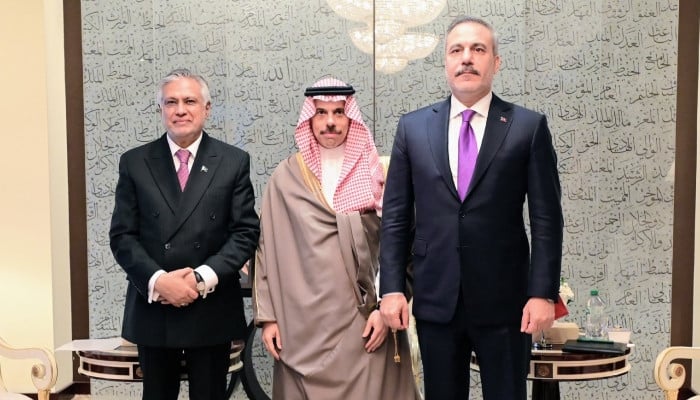
Foreign Ministers of Pakistan, Turkey, and Saudi Arabia met on the UNGA sidelines to deliberate on pressing regional security challenges, strategic defense cooperation, and economic stability frameworks.
The Core Development
On the sidelines of the United Nations General Assembly (UNGA) in New York, high-level diplomatic delegations from Pakistan, Turkey, and the Kingdom of Saudi Arabia convened for a crucial trilateral security dialogue. The meeting, which has drawn significant attention from international relations experts and financial markets alike, centered on evolving security architectures across the Middle East and South Asia. Key participants included the respective foreign ministers, who engaged in rigorous behind-the-scenes negotiations regarding intelligence sharing, border security, and regional stabilization frameworks. Diplomatic sources indicate that the discussions built upon previous foundational agreements, often colloquially referred to in diplomatic circles as regional cooperation pacts, aimed at fortifying mutual defense and economic resilience among the three nations. The timeline of the meeting reflects an urgent push by Islamabad, Ankara, and Riyadh to present a unified front against transnational security threats, maritime trade disruptions, and geopolitical volatility that could impact vital international shipping lanes and energy supply corridors.
Commercial & Economic Implications
While ostensibly framed around regional defense and geopolitical stability, the trilateral consultations carry profound commercial and economic implications for Pakistan and the broader South Asian market. For Kalyar Traders and domestic commercial enterprises navigating a volatile macroeconomic landscape, national security directly dictates supply chain predictability and foreign direct investment (FDI) inflows. Enhanced security cooperation with economic powerhouses like Saudi Arabia and industrial manufacturing hubs like Turkey lays the groundwork for reduced insurance premiums on shipping, stabilized petroleum import costs, and more secure land-and-sea trade routes. Furthermore, closer alignment among these three nations is projected to stimulate bilateral trade volumes, opening up lucrative export markets for Pakistani agricultural produce, textiles, and light engineering goods. In an economy grappling with inflationary pressures and rigid import controls, any multilateral framework that encourages capital injection, deferred payment facilities for energy imports, or joint industrial ventures provides a much-needed macroeconomic buffer, ultimately trickling down to stabilize wholesale distribution networks and retail pricing.
Related Intelligence: Trilateral Defence Pact Takes Shape as Yemen Conflict Threatens Trade Routes
Stakeholder Perspectives & Market Reactions
Business councils, trader associations, and industrial bodies across Pakistan have responded with cautious optimism to the diplomatic developments emerging from New York. Representatives from major chambers of commerce noted that strategic partnerships backed by Riyadh and Ankara instil greater confidence among foreign institutional investors who have historically remained hesitant due to perceived regional instability. Legal and financial analysts emphasize that translating these high-level political commitments into binding commercial treaties will require streamlined regulatory frameworks, transparent dispute resolution mechanisms, and robust enforcement of trade agreements. Public response, while tempered by historical cynicism regarding the tangible economic trickle-down of diplomatic summits, remains focused on whether these talks will materialize into concrete relief packages, reduced energy tariffs, and expanded employment opportunities for Pakistan's burgeoning workforce.
Forward Outlook & Key Watchpoints
As the UNGA session concludes and diplomatic delegations return to their respective capitals, market watchers and policy experts will closely monitor the follow-up mechanisms established by the three foreign ministries. Key watchpoints include the scheduling of bilateral trade committee meetings, announcements regarding joint venture investments in Pakistan's energy and infrastructure sectors, and formal policy directives concerning border trade facilitation. Domestic stakeholders will evaluate success based on measurable metrics: stabilization of the local currency, reduction in the cost of doing business, and tangible agreements easing import-export bottlenecks. If leveraged effectively, this trilateral alignment could serve as a vital anchor for Pakistan's long-term economic recovery and strategic integration into global trade networks.
Join Our Official WhatsApp Channel
Receive live commodity alerts, policy changes, and commercial intelligence directly on WhatsApp.