
Pakistan Explores Targeted Fuel Subsidies in High-Level IMF Talks
Pakistan's Finance Minister Muhammad Aurangzeb met senior IMF official Nigel Clarke in Bangkok to discuss targeted fuel relief mechanisms aimed at shielding vulnerable consumers without undermining fiscal consolidation goals.
The Core Development
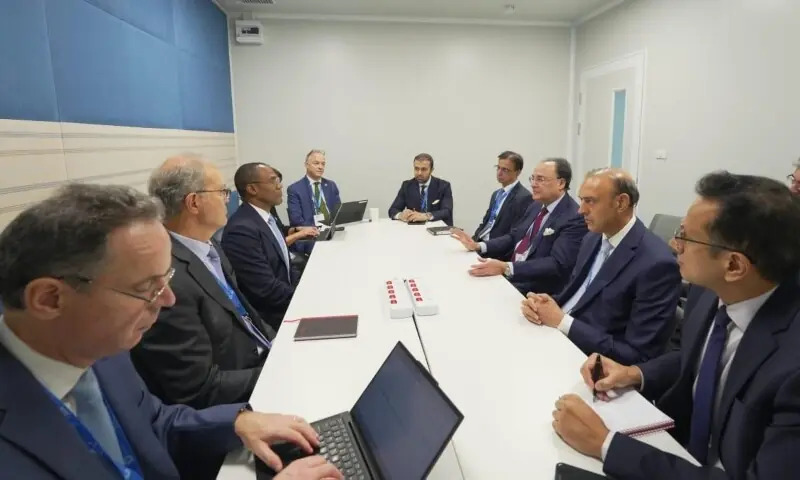
In a pivotal diplomatic engagement on the sidelines of international deliberations in Bangkok, Pakistan's Federal Minister for Finance and Revenue, Senator Muhammad Aurangzeb, convened with the International Monetary Fund's (IMF) Deputy Managing Director, Nigel Clarke. The focal point of the bilateral dialogue was the conceptualisation and rollout of targeted fuel relief mechanisms, structured deliberately to cushion low-income populations from soaring energy prices while maintaining the macro-fiscal integrity mandated under Pakistan's ongoing Extended Fund Facility (EFF).
According to an official communique released by the Ministry of Finance, Minister Aurangzeb outlined the government's strategic intent to shield vulnerable groups and safeguard social stability through highly focused subsidies. The meeting underscores Islamabad's delicate balancing act: adhering to rigorous fiscal consolidation benchmarks while managing acute socio-economic pressures that threaten public tolerance. Rather than reviving blanket fiscal cushions, which previously derailed multilateral commitments, the administration presented targeted interventions tailored specifically for low-consumption brackets, motorcycle owners, and marginal commercial operators.
Commercial & Economic Implications
For Pakistan's commercial landscape, the shift toward targeted petroleum interventions carries structural implications. Universal fuel subsidies historically exerted immense fiscal strain, inflating the primary budget deficit, depreciating the rupee, and escalating import bills. Replacing untargeted subventions with targeted transfers restricts fiscal leakage and preserves sovereign debt metrics.
From a wholesale and retail supply chain perspective, petroleum prices dictate the landed cost of everyday commodities. Runaway transport logistics directly elevate the Consumer Price Index (CPI), hitting urban distributors and rural trade hubs alike. By targeting support to the lowest income deciles, the government seeks to sustain base-level aggregate demand without fueling broad-based demand-pull inflation. However, medium-scale enterprises, fleet operators, and industrial logistics networks will continue to bear market-clearing rates, necessitating accelerated efficiency upgrades and cost-rationalisation across domestic distribution corridors.
Related Intelligence: US Inflation Surges to 3.7 Percent Amid Global Energy Volatility
Stakeholder Perspectives & Market Reactions
The engagement has drawn cautious attention from capital markets, trading associations, and independent economists. Financial sector analysts view the dialogue as a pragmatic maneuver to prevent social unrest, acknowledging that unmitigated energy tariff hikes erode public goodwill. Commercial entities, including chambers of commerce and transport syndicates, have routinely argued that unchecked fuel price escalation impairs working capital and dampens consumer spending.
Concurrently, multilateral specialists remain vigilant regarding operational execution. Historical attempts at bifurcated pricing or targeted fuel relief in emerging markets have frequently encountered administrative inefficiencies, black-market arbitrage, and logistical leakage. Industry observers emphasize that the IMF will likely demand stringent guardrails, requiring verifiable digital delivery mechanisms to ensure financial assistance does not transform into an open-ended sovereign liability.
Forward Outlook & Key Watchpoints
The trajectory of the proposed targeted mechanism depends heavily on technical vetting by the IMF staff. Key implementation milestones over the coming quarters will involve the integration of biometric data via the National Database and Registration Authority (NADRA) and the Benazir Income Support Programme's (BISP) National Socio-Economic Registry (NSER). Ensuring that relief is disbursed via direct digital cash transfers rather than artificial pump-level price discounting will be critical to winning formal IMF approval.
Market participants must closely monitor upcoming program review cycles, tax revenue milestones, and bilateral debt management indicators. Should energy volatility intensify globally, Pakistan's capacity to preserve fiscal discipline while sustaining targeted safety nets will serve as the definitive test of its reform resolve.
Join Our Official WhatsApp Channel
Receive live commodity alerts, policy changes, and commercial intelligence directly on WhatsApp.