
Pakistan Summons Indian Diplomat Over Fatal Border Escalation
Pakistan summoned India's charge d'affaires following a fatal border incident, escalating diplomatic tensions between the nuclear-armed neighbors and threatening regional commercial stability.
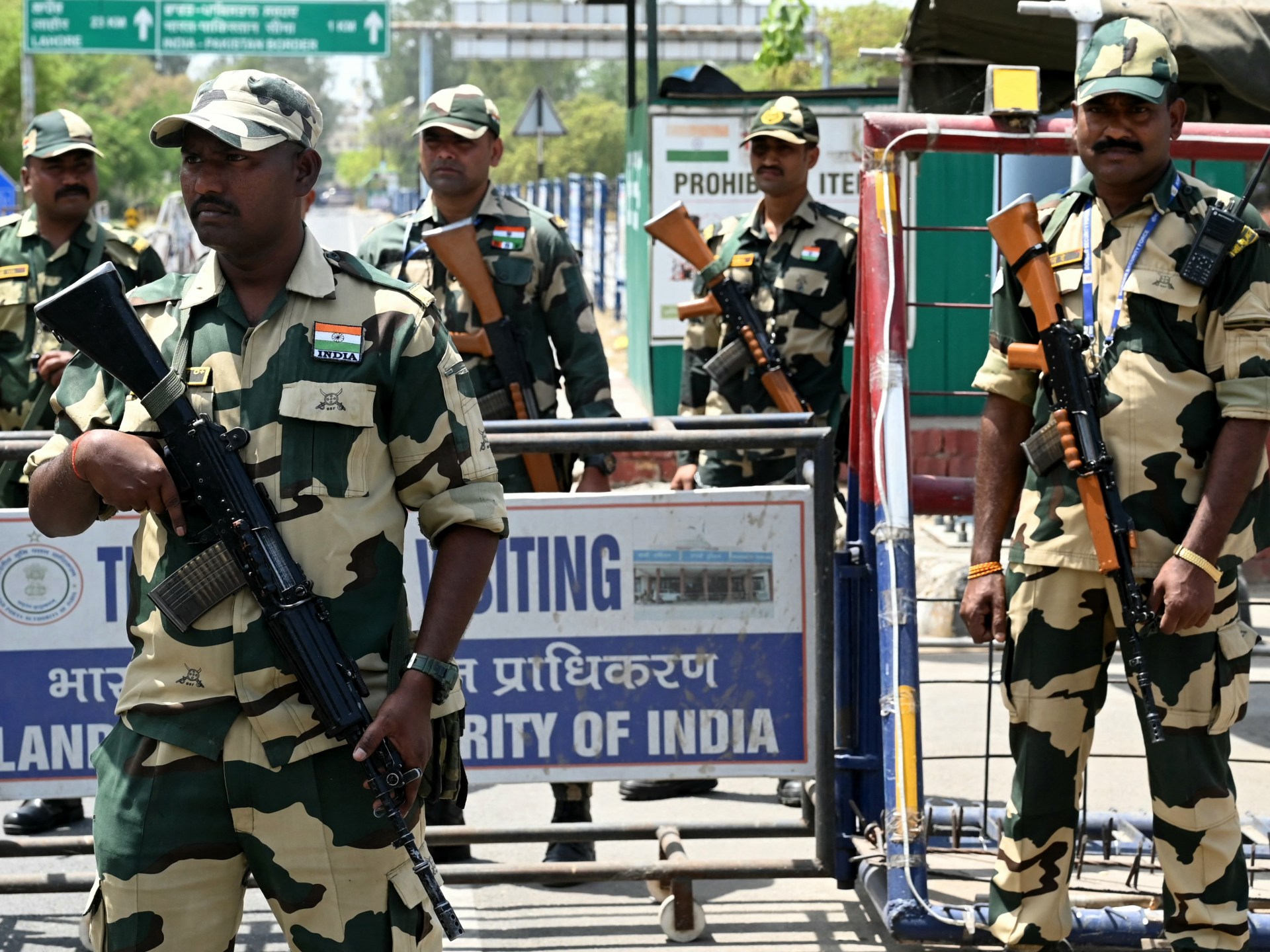
Geopolitical & Core Developments
Tensions along the disputed South Asian frontier escalated sharply this week as Islamabad formally summoned India's charge d'affaires to lodge a strong and unequivocal protest following the killing of two Pakistani civilians. According to statements released by Pakistan's Ministry of Foreign Affairs, the incident represents a grave violation of existing ceasefire understandings and international humanitarian norms. State actors on both sides have historically utilized diplomatic channels to manage border flare-ups, yet this latest development underscores the enduring fragility of peace along the Line of Control and the working boundary.
The diplomatic maneuver reflects mounting political pressures within Islamabad to project a firm stance against perceived security transgressions. Analysts note that while direct military confrontation remains constrained by mutual nuclear deterrence, frequent localized escalations continuously erode confidence-building measures. The timeline of the event points to an immediate hardening of diplomatic postures, with both nations trading rhetoric regarding border sovereignty and security protocols. Strategic stakes remain exceptionally high, as any prolonged diplomatic freeze risks paralyzing bilateral dialogue frameworks and freezing broader regional cooperation initiatives.
Global Trade & Economic Ripples
While localized border skirmishes rarely trigger immediate global supply chain fractures, persistent geopolitical friction between India and Pakistan introduces chronic uncertainty into South Asian commerce and broader international markets. South Asia serves as a vital demographic and economic nexus, and heightened hostility directly impacts investor sentiment across emerging markets. Although direct trade between India and Pakistan is currently minimal due to longstanding political embargoes, secondary economic ripples affect regional trade corridors, foreign direct investment inflows, and currency valuations.
Furthermore, global commodity markets—particularly energy and agricultural sectors—remain acutely sensitive to security developments in nuclear-armed zones. Any escalation that threatens regional stability forces international insurers and logistics providers to reassess risk premiums for maritime and overland transit through South Asia. Currency markets have already begun pricing in political risk, with regional currencies experiencing heightened volatility as institutional investors hedge against the potential for wider diplomatic fallout. Energy security remains a paramount concern, as prolonged tensions could complicate broader infrastructure and energy transit projects across Central and South Asia.
Related Intelligence: UK-Iran Security Incident at RAF Fairford Sparks Diplomatic Tensions
International Reactions & Diplomatic Stances
Global capitals and multilateral institutions have monitored the unfolding diplomatic crisis with growing apprehension. The United Nations and major international partners have repeatedly emphasized the necessity of restraint, urging both Islamabad and New Delhi to resume direct diplomatic engagement and adhere strictly to existing ceasefire agreements. International analysts warn that unmanaged rhetoric could swiftly transform a localized security incident into a broader regional crisis, complicating diplomatic efforts in multilateral forums.
Western and Asian diplomatic missions in Islamabad and New Delhi have initiated behind-the-scenes consultations to de-escalate tensions. Multilateral bodies stress that regional stability is indispensable for global economic recovery, particularly amid ongoing supply chain vulnerabilities and inflationary pressures. Market analysts observing the geopolitical landscape underscore that international investors are closely tracking official communiques from both foreign ministries for any indication of a de-escalation roadmap or willingness to engage in bilateral talks.
Strategic Outlook & Future Scenarios
Looking ahead, the trajectory of India-Pakistan relations will depend heavily on domestic political imperatives and the efficacy of backchannel diplomacy. Upcoming electoral cycles in the region often exacerbate nationalist rhetoric, narrowing the window for constructive bilateral negotiations. If diplomatic channels remain deadlocked, both nations risk entering a prolonged period of strategic paralysis, characterized by heightened border vigilance and frozen economic integration initiatives.
Future escalation points could include retaliatory diplomatic expulsions, suspension of cultural and sporting exchanges, or further hardening of security postures along the international border. Conversely, international pressure and the pragmatic recognition of mutual economic vulnerabilities may compel both governments to utilize backchannel mechanisms to restore calm. Navigating this precarious juncture will require profound statesmanship from both capitals to prevent localized tragedies from translating into broader regional destabilization.
Join Our Official WhatsApp Channel
Receive live commodity alerts, policy changes, and commercial intelligence directly on WhatsApp.