
Pakistan Declares Unwavering Defense Pact with Saudi Arabia Amid Houthi Escalation
Pakistan's defense leadership has reaffirmed its absolute security commitment to Saudi Arabia in response to intensifying regional threats from Houthi militants, emphasizing deep-rooted strategic and economic convergence.
The Core Development
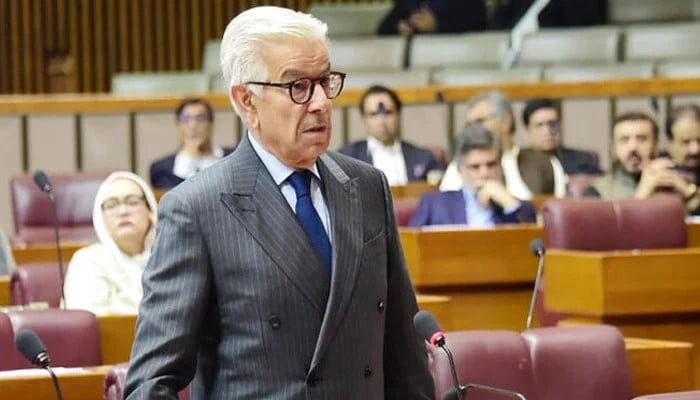
In a definitive policy pronouncement delivered on Wednesday, Pakistan's Defence Minister Khawaja Asif declared that any hostility directed against the Kingdom of Saudi Arabia constitutes a direct threat to Pakistan's own national security. Speaking amidst a sharp escalation in regional volatility, the defence czar emphasized that Islamabad's strategic doctrine treats the security of Riyadh as indivisible from its own territorial and geopolitical defense. This high-level diplomatic and military signaling follows a renewed series of aggressive cross-border operations and drone attacks launched by Houthi militants, which have systematically targeted critical infrastructure and key economic installations within the Gulf region. The timeline of this declaration underscores mounting anxieties within foreign policy circles in Islamabad regarding the safety of vital maritime shipping lanes and energy corridors traversing the Arabian Peninsula and the Red Sea.
Commercial & Economic Implications
For Kalyar Traders and the wider mercantile community in Pakistan, the intensification of geopolitical tensions in the Middle East carries profound macroeconomic and commercial consequences. Saudi Arabia remains a cornerstone of Pakistan's energy security, serving as a primary supplier of deferred-payment petroleum products that directly stabilize the nation's fragile balance of payments. Any sustained disruption to Gulf energy infrastructure or maritime logistics resulting from Houthi escalations immediately reverberates through wholesale distribution networks, driving up fuel import bills and exerting upward pressure on domestic inflation. Retail trade, industrial manufacturing, and agricultural transport in Pakistan are highly sensitive to global crude price volatility. Consequently, heightened security risks in the Gulf translate directly into escalating operational costs for domestic businesses, squeezing profit margins for commercial importers and inflating retail prices for essential consumer goods across domestic markets.
Related Intelligence: Cockpit Altercation Forces Israel-Bound Flight Emergency Landing in Saudi Arabia
Stakeholder Perspectives & Market Reactions
Riyadh-Islamabad relations have historically balanced diplomatic solidarity with robust economic cooperation, prompting diverse reactions from industrial bodies, trader associations, and financial analysts across Pakistan. Major business chambers have expressed cautious optimism regarding the government's firm security stance, noting that maintaining a secure trade corridor with the Gulf is vital for sustaining the millions of overseas Pakistanis whose remittances underpin domestic retail liquidity. However, financial analysts and corporate legal advisors have voiced underlying concerns regarding potential spillover effects on foreign direct investment and bilateral trade volumes if regional hostilities intensify. Business leaders stress the urgent need for proactive supply chain diversification and enhanced risk management strategies to shield Pakistani import-export firms from sudden geopolitical shocks originating in the Middle East.
Forward Outlook & Key Watchpoints
As regional dynamics continue to evolve, policymakers and commercial stakeholders in Pakistan must monitor several critical indicators over the coming quarters. Key watchpoints include the operational security of major Red Sea shipping routes, potential adjustments to Saudi energy supply agreements, and the broader diplomatic efficacy of regional peace initiatives aimed at neutralizing Houthi threats. For commercial enterprises and financial institutions, maintaining agile inventory reserves and closely tracking foreign exchange fluctuations will be paramount. The Ministry of Defence and trade authorities are expected to maintain close intelligence and economic coordination with Riyadh to safeguard strategic bilateral interests and ensure unbroken economic continuity.
Join Our Official WhatsApp Channel
Receive live commodity alerts, policy changes, and commercial intelligence directly on WhatsApp.