
Pakistan Rejects Afghan Border Claims After Gulistan Clash
Pakistan's information ministry dismissed Afghan claims of destroying a border post as fabricated, confirming 13 Taliban personnel died during thwarted aggression in the Gulistan sector.
The Core Development
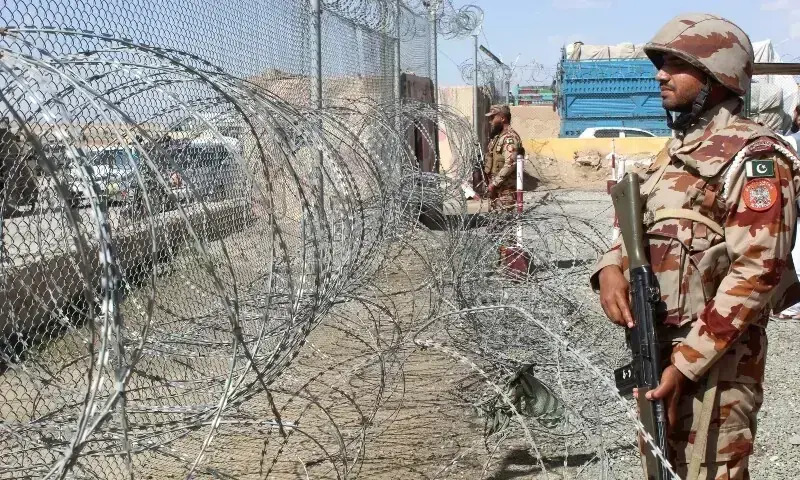
Tensions along the Pakistan-Afghanistan frontier escalated sharply following a violent nocturnal clash in the Gulistan sector along the Balochistan-Kandahar border. The Ministry of Information and Broadcasting formally dismissed assertions disseminated by the Afghan defence ministry, which alleged that a Pakistani military post had been neutralized near the strategic Spin Boldak crossing. Rejecting the narrative as entirely fictitious, Pakistani authorities outlined the sequence of events that unfolded during the night between September 24 and September 25.
According to official security assessments, an unprovoked cross-border incursion and aggressive posture by Afghan forces triggered an immediate and decisive kinetic response from Pakistan border guards. Rather than sustaining losses, Pakistani forces successfully repelled the assault and delivered heavy retaliatory fire targeting hostile positions. Intelligence reports corroborated by field commanders confirmed that at least 13 Afghan Taliban fighters were killed during the exchange, with multiple others sustaining injuries. The information ministry also condemned Kabul's attempt to spin the narrative, particularly claims asserting zero casualties on the Afghan side, labeling the propaganda an attempt to mask tactical failures on the battlefield.
Commercial & Economic Implications
Persistent security friction along critical trade corridors such as Spin Boldak carries profound economic ramifications for regional commerce, wholesale distribution networks, and cross-border supply chains. Balochistan and Khyber Pakhtunkhwa serve as vital arteries for bilateral trade and transit commerce destined for Central Asia. Periodic border closures, skirmishes, and heightened security protocols directly disrupt the movement of perishable goods, raw materials, and manufactured items, translating immediately into inflationary pressures for retail markets across Pakistan.
Traders and freight forwarders operating out of Quetta and Chaman frequently bear the brunt of geopolitical volatility. Extended closures of the border crossings halt truck convoys, leading to severe demurrage charges, inventory bottlenecks, and speculative price spikes in domestic markets for essential commodities. Furthermore, persistent instability deters private sector investment in logistics infrastructure along the western frontier, undermining broader national efforts to expand export corridors into landlocked Central Asian economies under regional trade frameworks.
Stakeholder Perspectives & Market Reactions
Business councils, Chambers of Commerce, and prominent trader associations in Pakistan have expressed mounting anxiety over the deteriorating security paradigm along the western border. Industry bodies representing wholesale distributors and import-export houses have reiterated urgent appeals to federal authorities to establish insulated economic zones and secure transit corridors that remain immune to tactical military escalations.
Legal and policy analysts note that bilateral economic cooperation remains hostage to recurring border management disputes. While Islamabad maintains a policy of retaliating decisively against direct security threats, commercial stakeholders continue to lobby for institutionalized diplomatic mechanisms to de-escalate localized skirmishes before they manifest into severe commercial disruptions. Public response across national media has rallied around the armed forces' capability to defend territorial integrity, while simultaneously emphasizing the necessity of long-term diplomatic stability to safeguard national economic interests.
Forward Outlook & Key Watchpoints
As diplomatic channels navigate the fallout from the Gulistan sector skirmish, security forces along the Balochistan frontier remain on high alert. Key watchpoints for the coming weeks include potential shifts in border management protocols, the frequency of bilateral security flag meetings, and any prospective tightening of immigration and cargo clearance procedures at Spin Boldak.
Policy enforcement will likely focus on reinforcing intelligence-led defensive postures while maintaining pressure on Kabul to prevent unauthorized militant and military movements across the international boundary. For domestic financial markets and commercial operators, monitoring the operational status of key trade terminals will remain paramount as macroeconomic planners attempt to shield fragile supply chains from external geopolitical shocks.
Join Our Official WhatsApp Channel
Receive live commodity alerts, policy changes, and commercial intelligence directly on WhatsApp.