
Pakistan Refineries Secure $5bn Overhaul Pact Under Brownfield Policy
Four local refineries have signed formal five-year agreements worth $5 billion with the government to upgrade refining technologies and boost cleaner fuel production under the Brownfield Petroleum Refining Policy 2026.
The Core Development
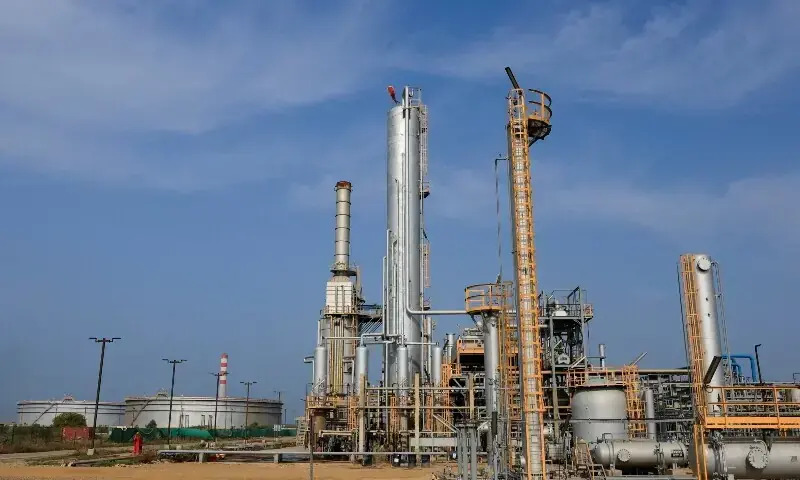
In a landmark development for Pakistan's energy sector, four of the country's five major local refineries formally signed binding agreements with the federal government on Thursday. The pacts commit an estimated $5 billion in capital expenditure over the next five years to modernize existing refining infrastructure, upgrade technological capabilities, transition toward cleaner product specifications, and significantly expand overall domestic production capacity.
The formal execution of these agreements falls directly under the ambit of the Brownfield Petroleum Refining Policy 2026. This comprehensive regulatory framework secured formal approval during the final week of July, effectively breaking a persistent legislative and commercial deadlock that had stalled sector-wide modernization efforts for over seven years. The signing ceremony brought together senior corporate leadership from Attock Refinery, National Refinery, Pakistan Refinery, and Cnergyico Petroleum, alongside officials from the Inter State Gas Company (ISGC)—a dedicated subsidiary of the Petroleum Division assigned to oversee policy implementation.
Commercial & Economic Implications
The multi-billion-dollar overhaul holds profound implications for Pakistan's macroeconomic stability, foreign exchange reserves, and retail energy markets. Historically, the nation's heavy reliance on imported refined petroleum products has placed immense strain on the balance of payments, depleting critical foreign reserves and exposing domestic fuel prices to extreme international volatility. By upgrading domestic refining units to produce Euro-V compliant fuels and increasing local throughput, the country stands to curtail costly imports of high-grade petroleum products.
For wholesale distributors, retail fuel stations, and industrial consumers, this technological shift promises a more stable supply chain and superior fuel quality. Although heavy capital investments will initially be absorbed by the refining companies, the long-term efficiency gains are projected to rationalize production costs. Over time, this structural transition could cushion retail consumers against runaway inflation driven by imported refined fuel surcharges and stabilize domestic pricing mechanisms across the energy value chain.
Related Intelligence: Iran Flight Bans Trigger Regional Escalation and Supply Chain Risks
Stakeholder Perspectives & Market Reactions
Industry bodies and market analysts have largely welcomed the definitive conclusion of the agreements, viewing the signing as a vital vote of confidence in Pakistan's industrial policy framework. Representatives from the refining sector noted that years of regulatory uncertainty had previously deterred foreign and domestic investment, leaving facilities technologically outdated and vulnerable to shifting environmental mandates.
Official statements from the Petroleum Division emphasized that the successful execution of the Brownfield Petroleum Refining Policy 2026 demonstrates the government's resolve to partner with private enterprise on critical national infrastructure. Legal and financial experts monitoring the sector have stressed that strict adherence to the five-year execution timeline will be essential to maintain investor trust and realize the projected output enhancements without bureaucratic delays.
Forward Outlook & Key Watchpoints
As the ink dries on these multi-billion-dollar contracts, attention now shifts to the rigorous implementation and monitoring phase. The next five years will serve as a critical test for both the refineries and the regulatory authorities to ensure that engineering milestones are met on schedule. Key watchpoints for investors and market observers include the mobilization of project financing, the importation of specialized refining machinery, and the systematic phase-out of legacy, high-sulfur production lines.
Policy enforcement will remain paramount as the government oversees compliance with environmental standards and production quotas. If executed successfully, this modernization drive will fundamentally reconfigure Pakistan's downstream petroleum sector, transforming aging industrial assets into competitive, environmentally sustainable engines of national economic growth.
Join Our Official WhatsApp Channel
Receive live commodity alerts, policy changes, and commercial intelligence directly on WhatsApp.