
Pakistan Prepares Winter Gas Strategy Amid Regional Supply Volatility
Prime Minister Shehbaz Sharif has ordered a comprehensive winter gas load management plan and secured uninterrupted import channels to mitigate seasonal shortages across Pakistan.
The Core Development
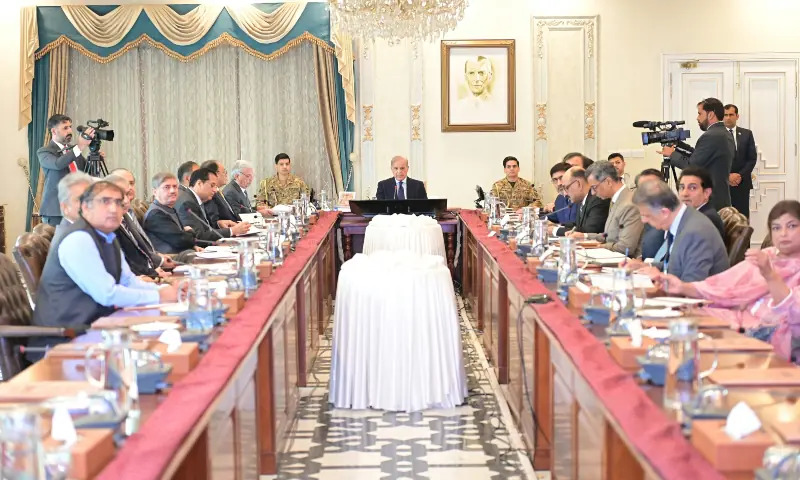
Prime Minister Shehbaz Sharif chaired a high-level review meeting in Islamabad focusing squarely on national energy security ahead of the peak winter heating season. The premier directed relevant ministries and energy sector regulators to formulate a robust, comprehensive gas load management framework designed to cushion domestic and industrial sectors against anticipated seasonal shortfalls. Given tightening international markets and complex geopolitical dynamics affecting regional supply chains, the administration has placed paramount emphasis on safeguarding uninterrupted liquefied natural gas (LNG) imports.
According to an official statement issued by the Prime Minister's Office (PMO), the administration is taking proactive steps well in advance of the colder months to avoid the severe supply crunches witnessed in previous years. Senior officials from the petroleum division, Sui companies, and energy regulatory authorities briefed the prime minister on ongoing contingency measures, terminal capacities, and planned maintenance schedules for key import infrastructure. The directive instructs stakeholders to finalize operational modalities immediately, ensuring that pipeline pressures remain stable across high-demand urban centers.
Commercial & Economic Implications
For Pakistan's fragile economy, effective winter energy management carries profound implications for industrial productivity, wholesale distribution, and retail inflation. Winter traditionally triggers a massive surge in domestic heating demand, forcing authorities to curtail gas supplies to captive power plants, fertilizer manufacturers, and general industry. Such curtailments historically depress industrial output, disrupt supply chains, and inflate production costs, ultimately feeding into broader consumer price inflation.
Ensuring steady LNG imports is critical to stabilizing feedstock for export-oriented industries, particularly the textile sector, which cannot afford prolonged utility disruptions during peak order execution periods. Furthermore, commercial enterprises, small-scale retail traders, and urban households face mounting financial pressure when forced to transition to expensive electricity or alternative fuels during gas outages. A predictable load management plan helps mitigate sudden cost shocks for commercial consumers, protecting retail markets from severe volatility.
Related Intelligence: PTI Dismisses Prime Minister Shehbaz Sharifs Dialogue Offer as Symbolic Gesture
Stakeholder Perspectives & Market Reactions
Business councils, industrial associations, and trade bodies have repeatedly emphasized the need for advance planning to prevent the arbitrary shutdowns that crippled manufacturing units in past winters. While industry representatives welcomed the prime minister's proactive stance, they underscored that timely implementation and transparent allocation schedules remain vital for business confidence.
In addition to industrial preparedness, the government has mandated an extensive public awareness campaign. This initiative aims to educate citizens on energy conservation, efficient appliance usage, and adherence to scheduled load management protocols. Analysts note that public cooperation is essential to curb excessive domestic consumption, which routinely overwhelms distribution networks during cold snaps.
Forward Outlook & Key Watchpoints
As Pakistan approaches the winter season, market observers will closely monitor the execution of the PMO directives, specifically regarding long-term LNG cargo procurement and spot market interventions. Key watchpoints include the financial health of state energy entities, the management of circular debt within the gas sector, and the operational reliability of regasification terminals at Port Qasim. Successful enforcement of the new strategy will determine whether domestic consumers and industries can navigate the winter months without severe economic disruption.
Join Our Official WhatsApp Channel
Receive live commodity alerts, policy changes, and commercial intelligence directly on WhatsApp.