
Pakistan and Nepal Forge Himalayan Climate Alliance to Protect Indus Basin
Pakistan and Nepal are launching a joint climate initiative to combat accelerated glacial melt across the Hindu Kush Himalaya, securing shared water resources for regional economic stability.
The Core Development
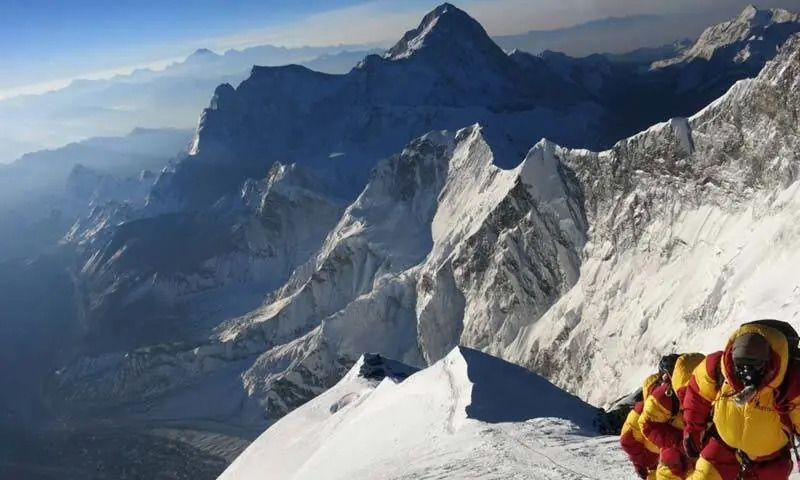
High above 4,500 metres in Gilgit-Baltistan, a glacier that has fed the mighty Indus River for millennia is losing ice faster than at any recorded point in scientific history. A thousand kilometres to the east, in the Khumbu region of Nepal, an identical ecological crisis unfolds on the slopes beneath Mount Everest. Separated geographically by India’s landmass and decades of limited diplomatic engagement, Pakistan and Nepal share a common geological destiny governed by the fate of the Hindu Kush Himalayan mountain system.
Recent empirical data from the International Centre for Integrated Mountain Development (ICIMOD), a Kathmandu-based research institution monitoring the region for fifty years, reveals alarming rates of cryosphere degradation. Glaciers across the Hindu Kush Himalaya are receding at accelerated velocities, threatening the hydrological baselines of South Asia. Recognizing this shared existential threat, policymakers in Islamabad and Kathmandu are initiating a new framework of diplomatic and scientific cooperation. This alliance seeks to bridge historical divides, moving beyond isolated national mitigation strategies to establish a synchronized regional response to climate change.
Commercial & Economic Implications
The accelerating deterioration of Himalayan glaciers carries profound commercial and economic ramifications for Pakistan. As glacial reserves deplete, seasonal water availability for the Indus Basin Irrigation System—the economic backbone of Pakistan's agricultural sector—faces severe volatility. Agricultural yields for staple crops such as wheat, rice, and cotton are directly tied to predictable glacial meltwater. Unpredictable floods followed by severe water scarcity threaten rural livelihoods, drive up domestic food inflation, and strain wholesale agricultural distribution networks.
For commercial enterprises, manufacturing units, and retail supply chains dependent on stable hydroelectric power generation, erratic water flows translate directly into energy insecurity and escalating utility tariffs. Furthermore, recurring glacial lake outburst floods (GLOFs) inflict catastrophic infrastructural damage on northern trade routes, bridges, and transport corridors, disrupting domestic supply chains and inflating logistics costs for businesses operating across Pakistan. Protecting the cryosphere is therefore not merely an environmental imperative, but a fundamental prerequisite for long-term macroeconomic stability and price predictability.
Related Intelligence: Pakistani Women Face Highest Heart Disease Mortality in South Asia
Stakeholder Perspectives & Market Reactions
Agricultural producer associations, commodity traders, and environmental economists have expressed cautious optimism regarding the nascent Pakistan-Nepal climate corridor. Business leaders in Pakistan have long argued that climate vulnerability poses the single greatest risk to national market competitiveness. Industry bodies emphasize that proactive bilateral engagement with regional partners like Nepal can amplify South Asian negotiating leverage at international forums such as the United Nations Climate Change Conferences (COP).
Economic analysts and legal experts point out that institutionalizing water diplomacy will require robust bilateral frameworks, formal data-sharing agreements, and joint research ventures. Financial institutions are increasingly evaluating climate risk metrics in commercial lending portfolios, signaling that market actors are beginning to price in the economic externalities of environmental degradation. Official statements from both capitals indicate a growing consensus that regional resilience requires depoliticized, science-led cooperation.
Forward Outlook & Key Watchpoints
As Islamabad and Kathmandu lay the groundwork for this expanded diplomatic partnership, several key milestones will determine its operational efficacy. Policymakers must establish a formal joint commission on mountain ecosystems within the next fiscal year, backed by dedicated budgetary allocations for collaborative research and early-warning infrastructure.
Market participants and policy analysts will closely monitor subsequent bilateral communiques for concrete commitments on technology transfer, joint data collection on snowpack accumulation, and coordinated advocacy for international climate adaptation financing. The success of this Himalayan alliance will ultimately be measured by its ability to translate shared ecological anxieties into actionable economic and structural safeguards for millions of downstream citizens.
Join Our Official WhatsApp Channel
Receive live commodity alerts, policy changes, and commercial intelligence directly on WhatsApp.