
Australia Elevates Benchmark Interest Rates to 15-Year High
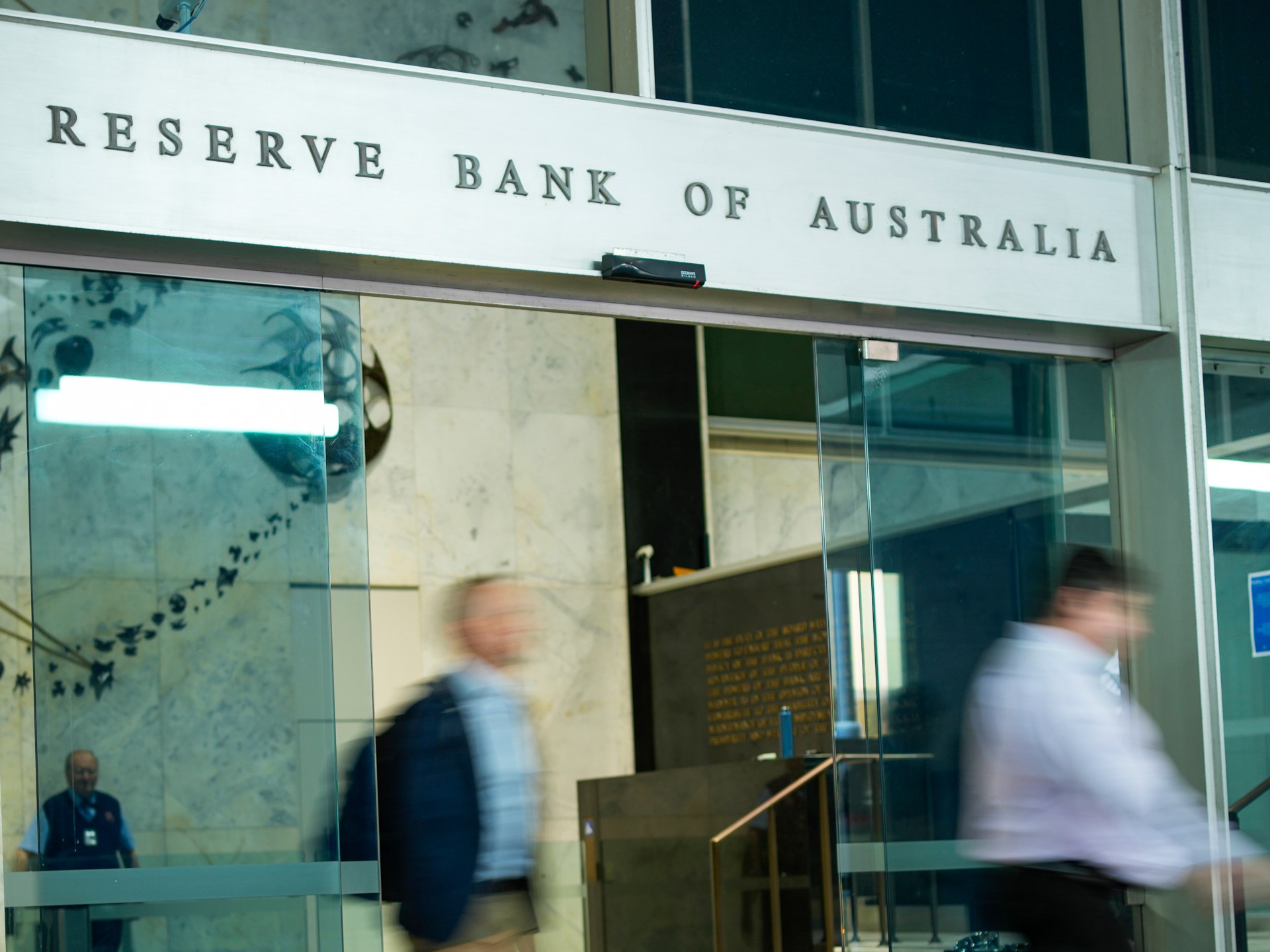
The Reserve Bank of Australia has raised its benchmark interest rate to 4.6 percent, reaching a 15-year high to combat stubborn inflation.
Geopolitical & Core Developments
The Reserve Bank of Australia (RBA) has executed a decisive monetary policy tightening, lifting its official cash rate to 4.6 percent, the highest level recorded in a decade and a half. This aggressive intervention underscores the persistent challenge confronting central bankers globally as they grapple with sticky domestic inflation driven by lingering supply chain bottlenecks, robust labor markets, and elevated global energy costs. RBA Governor Michele Bullock emphasized that despite previous rate hikes, consumer price index figures continue to hover above the central bank's target band of two to three percent. The decision reflects a broader international trend among G10 central banks maintaining higher-for-longer interest rate environments to anchor inflation expectations, even as economic growth stutters. Canberra's fiscal authorities have coordinated closely with monetary policy makers to cool domestic demand, a delicate balancing act designed to avoid pushing the broader economy into a sharp recession while extinguishing inflationary pressures.
Global Trade & Economic Ripples
The escalation of Australian borrowing costs carries immediate consequences for international trade, particularly across the Asia-Pacific region. As a major exporter of liquefied natural gas, iron ore, coal, and agricultural commodities, Australia's domestic monetary tightening directly influences regional liquidity and financing conditions. Higher interest rates have bolstered the Australian dollar against major trading partners, squeezing export competitiveness while simultaneously reducing the cost of imported manufactured goods. Global commodity markets have responded cautiously, anticipating softer domestic consumption within Australia that could temper demand for raw materials. Furthermore, elevated domestic yields are attracting foreign capital inflows, shifting currency valuations and complicating foreign exchange management for emerging market economies tied closely to Australasian trade corridors.
Related Intelligence: Bangkok Floods Trigger Supply Chain Disruptions and Local Market Adaptation
International Reactions & Diplomatic Stances
Financial markets and multilateral financial institutions have closely monitored the RBA's policy pivot. The International Monetary Fund (IMF) released an updated regional assessment noting that while Australia's proactive monetary stance is necessary to safeguard macroeconomic stability, the spillover effects on heavily indebted households warrant continuous surveillance. Major commercial banking analysts in Sydney and London have revised their forecasts, predicting that the 4.6 percent rate plateau will likely persist through the medium term unless global commodity prices experience a sharp downward correction. Trading partners in East Asia, particularly nations reliant on Australian raw material imports, have expressed concern over slowing domestic consumption patterns that could dampen broader regional export revenues.
Strategic Outlook & Future Scenarios
Looking ahead, the trajectory of Australian monetary policy will remain inextricably linked to global macroeconomic shifts, particularly energy market volatility and geopolitical tensions affecting maritime trade routes. Upcoming quarterly inflation prints and labor force data will dictate whether the RBA maintains its restrictive posture or contemplates a policy pivot toward easing late in the fiscal year. Policymakers face a narrow corridor: failing to sufficiently suppress domestic inflation risks entrenching a high-cost environment, whereas over-tightening could trigger an abrupt contraction in domestic housing and retail sectors. As global central banks navigate this complex economic landscape, Australia's 15-year high watermark serves as a crucial bellwether for advanced economies attempting to achieve a soft landing.
Join Our Official WhatsApp Channel
Receive live commodity alerts, policy changes, and commercial intelligence directly on WhatsApp.