
Pakistan Mosque Bombing Escalates Regional Security and Infrastructure Risks
A lethal suicide vehicle bombing at a Pakistani mosque killing at least 16 worshippers has intensified internal security risks, threatening vital South Asian logistics corridors and foreign direct investment.
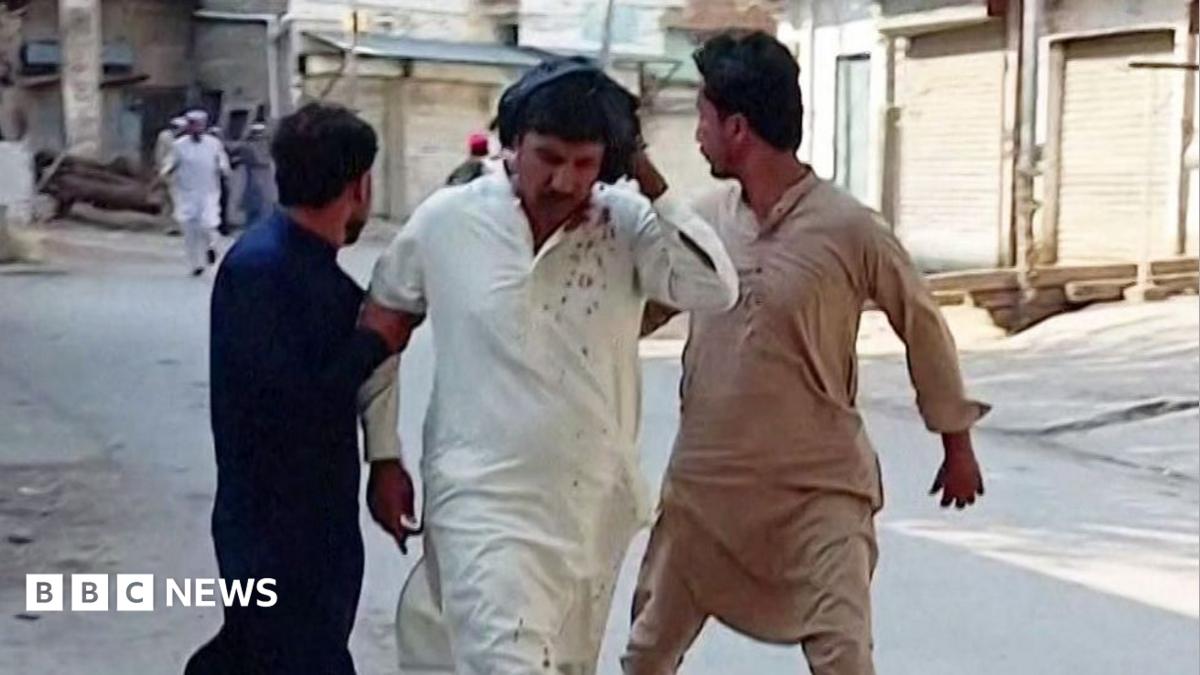
Geopolitical & Core Developments
A catastrophic vehicle-borne improvised explosive device detonated against a mosque during Friday congregation prayers in Pakistan, leaving at least 16 worshippers dead and scores critically wounded, according to senior security and police officials. The assailant accelerated a vehicle laden with military-grade explosives directly into the perimeter wall of the religious complex as hundreds assembled for weekly prayers, collapsing portions of the primary prayer hall and trapping victims beneath heavy masonry.
This incident marks a grave escalation in Pakistan's deteriorating domestic security environment. Over the past twenty-four months, cross-border militancy and domestic insurgent activity have surged across peripheral regions, notably Khyber Pakhtunkhwa and Balochistan. While no group immediately claimed definitive responsibility, the operational profile mirrors previous campaigns conducted by the Tehrik-i-Taliban Pakistan and regional affiliates of the Islamic State Khorasan Province. The strike exposes acute structural vulnerabilities in local intelligence architecture and underscores Islamabad's mounting diplomatic friction with the de facto Taliban administration in Kabul over alleged militant sanctuaries along the contested Durand Line.
Global Trade & Economic Ripples
Beyond the immediate humanitarian toll, the resurgence of high-casualty attacks presents tangible headwinds for regional geo-economic integration. Pakistan occupies a pivotal transit node linking landlocked Central Asian republics to the Arabian Sea. Renewed volatility directly jeopardizes critical components of the 62-billion-dollar China-Pakistan Economic Corridor, a flagship artery of Beijing's Belt and Road Initiative that includes strategic highways, deep-sea port terminals at Gwadar, and critical energy pipelines.
International logistics operators and maritime freight insurers closely monitor Pakistan's internal threat matrix. Heightened domestic instability threatens to inflate regional war-risk insurance premiums for cargo traversing overland trade corridors and docking at key littoral ports. Furthermore, capital markets remain hyper-sensitive; sovereign spreads on Pakistan's international debt face upward pressure, while foreign direct investment inflows—already constrained by structural fiscal deficits and foreign exchange restrictions—risk prolonged stagnation. Diversion of state fiscal resources toward emergency counter-insurgency operations threatens to distort public expenditures away from growth-enhancing infrastructure maintenance and trade facilitation programs.
Related Intelligence: Kohat Police Lines Bombing Leaves 16 Dead and Raises Logistics Risks
International Reactions & Diplomatic Stances
The attack drew swift international condemnation from multilateral bodies and regional powers. The United Nations Secretariat issued a firm statement denouncing the targeting of places of worship and emphasizing that deliberate strikes against civilians constitute unequivocal violations of international humanitarian standards. Multilateral partners underscored their commitment to supporting counter-terrorism coordination within the framework of international law.
Key regional stakeholders, including Beijing and Riyadh, conveyed condolences while subtly signaling unease over persistent security deficits that endanger cross-border industrial ventures and foreign technical personnel stationed throughout Pakistan. Washington echoed calls for domestic stability, framing counter-terrorism cooperation as vital to broader South Asian peace. Macroeconomic analysts from global risk consultancies warned that recurring kinetic disruptions could complicate sovereign negotiations surrounding ongoing review mechanisms with the International Monetary Fund, as structural macroeconomic predictability remains paramount for external loan disbursements.
Strategic Outlook & Future Scenarios
In the near-to-medium term, Islamabad is anticipated to initiate sweeping kinetic operations targeting militant logistical networks and safe houses across vulnerable sectors. However, militarized crackdowns without parallel institutional reforms and diplomatic leverage over Kabul may yield diminishing returns, risking localized blowback and retaliatory asymmetrical urban strikes.
Diplomatically, the episode will likely dominate forthcoming security sessions at regional forums, including the Shanghai Cooperation Organisation dialogues and bilateral defense summits. Should cross-border security conditions deteriorate further, cross-border punitive strikes or stricter border border-crossing trade controls could disrupt regional overland transit volumes. Multinational corporations and commercial trading houses operating within the subcontinent must factor heightened supply-chain disruptions and regulatory security compliance costs into their long-term risk modeling across the South Asian corridor.
Join Our Official WhatsApp Channel
Receive live commodity alerts, policy changes, and commercial intelligence directly on WhatsApp.