
Spanish Premier Sanchez Faces Snap Election Pressure After Defeat
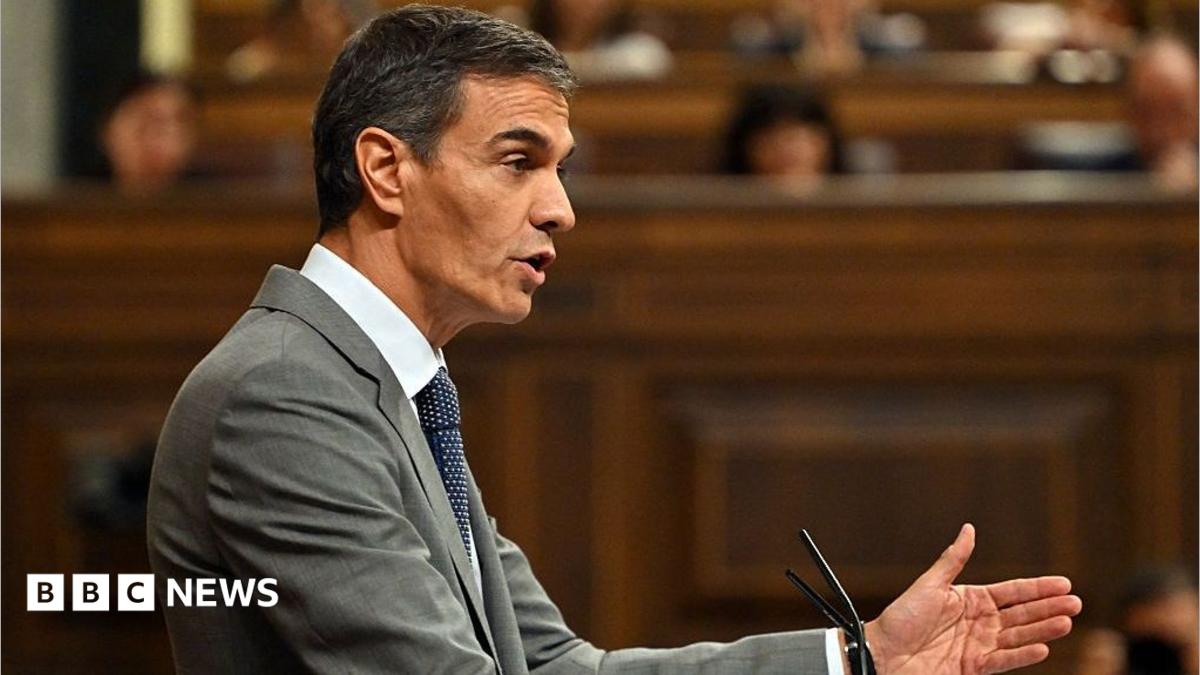
Spanish Prime Minister Pedro Sanchez faces growing calls for a snap election following a crucial parliamentary defeat on housing reforms triggered by public backlash over a high-profile eviction.
Geopolitical & Core Developments
Spanish Prime Minister Pedro Sanchez faces an escalating political crisis following a decisive parliamentary defeat on key housing legislation. The legislative setback was precipitated by intense public fury over the controversial eviction of an 87-year-old woman, an event that galvanized opposition parties and laid bare the deep fractures within Spain's ruling coalition. The defeat not only halts vital social policy initiatives but also severely undermines the administration's legislative viability, raising immediate questions regarding the stability of Sanchez's minority government. Political analysts note that the convergence of domestic scandals, housing affordability pressures, and parliamentary gridlock has created an exceptionally volatile environment in Madrid. With coalition partners distancing themselves from the executive branch, pressure is mounting from both conservative and regional factions for Sanchez to dissolve parliament and trigger a snap national election, potentially altering the political landscape of the Iberian Peninsula and impacting broader European Union governance.
Global Trade & Economic Ripples
While the crisis is fundamentally domestic, its economic ramifications extend across European financial markets and cross-border trade networks. Spain represents the fourth-largest economy in the eurozone, and sustained political paralysis in Madrid threatens investor confidence at a time when European capital markets are navigating macroeconomic headwinds, persistent inflationary pressures, and complex fiscal integration directives. Uncertainty surrounding Spanish regulatory stability directly impacts international real estate investment trusts, banking sector valuations, and sovereign bond yields. Furthermore, prolonged political instability risks delaying the implementation of critical European Union NextGenerationEU fund disbursements, which are vital for Spain's green transition and infrastructural modernization. Global commodity traders with exposure to Southern European supply chains are adopting a cautious stance, monitoring whether political turmoil could translate into sudden shifts in taxation, labor laws, or energy transition subsidies.
Related Intelligence: Yemen Food Crisis Deepens as Conflict Severely Disrupts Global Supply Chains
International Reactions & Diplomatic Stances
European Union officials in Brussels are quietly monitoring the unfolding situation in Madrid, concerned that protracted political instability in a major member state could complicate broader eurozone economic governance and legislative coherence within the European Council. Market analysts and international credit rating agencies have issued preliminary advisories, warning that prolonged legislative gridlock could trigger negative rating outlook revisions if the government fails to pass coherent fiscal and structural reforms. While formal diplomatic bodies have refrained from direct intervention in Spain's internal affairs, foreign investors and multilateral financial institutions have expressed unease over the weakening of Sanchez's governing coalition. Diplomatic circles in Western Europe are acutely aware that a weakened Spanish administration could diminish the country's influential voice in shaping EU-wide foreign policy, energy security frameworks, and Mediterranean trade partnerships.
Strategic Outlook & Future Scenarios
Looking ahead, the political trajectory in Spain hinges on Sanchez's ability to reconstitute a fragile legislative majority or risk capitulating to demands for an early general election. If opposition parties successfully sustain legislative blockades, a snap election could materialize within the coming months, introducing considerable electoral volatility and opening the door to a conservative-led administration. Such a transition would likely signal a shift in domestic economic priorities, potentially altering Spain's stance on taxation, labor market regulations, and housing policy. For international businesses and global commodities stakeholders, navigating this transitional phase requires maintaining rigorous risk assessments and contingency plans to adapt to potential regulatory shifts emerging from the heart of Southern Europe.
Join Our Official WhatsApp Channel
Receive live commodity alerts, policy changes, and commercial intelligence directly on WhatsApp.