
Kohat Clearance Operation Ends as Security Forces Neutralize Eight Militants
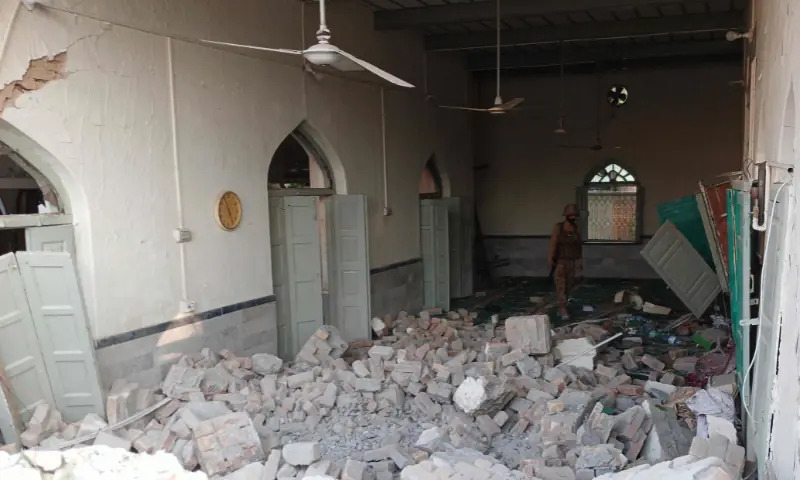
Security forces in Khyber Pakhtunkhwa neutralized eight militants following an overnight clearance operation near a Kohat mosque, concluding an intensive joint counter-terrorism offensive led by top provincial civil-military leadership.
The Core Development
In a decisive tactical counter-offensive, law enforcement and military personnel concluded an extensive overnight clearance operation in the Old Police Lines precinct of Kohat district, Khyber Pakhtunkhwa, eliminating eight heavily armed militants. The operation commenced in the wake of a coordinated, two-pronged assault staged in proximity to a local mosque, prompting an immediate mobilization of high-tier tactical assets. The clearance mission was spearheaded by Elite Force commandos alongside specialized squads from the Counter Terrorism Department (CTD) and conventional military units, securing key administrative infrastructure and surrounding urban clusters.
Demonstrating the strategic gravity of the incident, senior civil and military leadership oversaw the tactical execution directly from the frontline. Khyber Pakhtunkhwa Inspector General of Police Zulfiqar Hameed, alongside the Additional Inspector General of the CTD, the Kohat Regional Police Officer, the District Police Officer, and the General Officer Commanding (GOC) of the operational division, directed the multi-layered cordon and sweep operation. Authorities confirmed that after hours of intense tactical engagement, the surrounding sectors were systematically sanitized, averting broader collateral casualties within the densely populated residential and administrative grid.
Commercial & Economic Implications
While security forces successfully neutralized the immediate threat, the volatility in Kohat delivers tangible friction to regional trade and logistical connectivity. Kohat serves as an indispensable geographical pivot linking Peshawar and the northern commercial nodes of Khyber Pakhtunkhwa to southern districts, including Karak, Bannu, and Dera Ismail Khan, via the pivotal Indus Highway (N-55). Extended security cordons, impromptu check-posts, and heightened surveillance protocols inevitably constrict the flow of wholesale commodities, dry port freight, and agricultural produce moving between KP, Punjab, and Sindh.
For wholesale distributors, retail merchants, and freight handlers, heightened kinetic operations compound freight demurrage risks and elevate localized logistics overheads. The intermittent closure of intra-district transit corridors directly pressures wholesale supply chains, occasionally triggering artificial price volatility in daily perishables and imported staples across secondary retail markets. Furthermore, continued insurgent targeting of urban administrative hubs risks expanding corporate risk premiums, curtailing private capital expenditure, and dampening inter-provincial commercial transport operations that depend heavily on overnight arterial transits.
Related Intelligence: Security Forces Neutralize 11 Militants in Strategic Balochistan Operation
Stakeholder Perspectives & Market Reactions
Regional trade bodies, including regional chambers of commerce and logistics syndicates across southern Khyber Pakhtunkhwa, expressed deep concern over the persistent targeting of urban centers while commending the rapid containment by security personnel. Market representatives emphasized that the sustained normalcy of the Indus Highway corridor is paramount for maintaining trade flows, particularly for heavy commercial vehicles transporting raw materials, construction aggregates, and packaged consumer goods.
Legal analysts and governance watchdogs noted that the robust presence of top-tier military and civil leadership on the ground signals an unwavering state commitment to restore deterrence against resurgent non-state actors. Simultaneously, small retail unions within Kohat have appealed to provincial authorities for expedited restoration of civil mobility, underscoring that prolonged security closures inflict acute cash-flow constraints on small-to-medium enterprises already contending with structural inflation and reduced consumer purchasing power.
Forward Outlook & Key Watchpoints
Moving forward, commercial stakeholders and provincial administrators will monitor whether the incident prompts extended intelligence-based operations (IBOs) across adjacent semi-tribal belts and rural perimeters. Enhanced electronic surveillance, biometric monitoring at district entry-exit junctions, and reinforced physical perimeters around administrative assets are expected to remain in effect over the immediate horizon.
The principal economic watchpoint centers on the stability of freight throughput along the N-55 corridor and the broader western alignment of supply networks. Should provincial authorities sustain safe transit without imposing prolonged daylight transit restrictions, the commercial ramifications are likely to remain localized. However, any escalation in retaliatory cross-border militant activity will inevitably test supply chain resilience, demanding institutional coordination between freight associations, commercial traders, and regional law enforcement commands to insulate vital economic channels.
Join Our Official WhatsApp Channel
Receive live commodity alerts, policy changes, and commercial intelligence directly on WhatsApp.