
Pakistan Govt Reopens Dialogue With PTI Amid Economic Stalemate
The federal government has reiterated its offer for political talks with PTI, maintaining strict boundaries against unconstitutional demands amid persistent macroeconomic uncertainty.
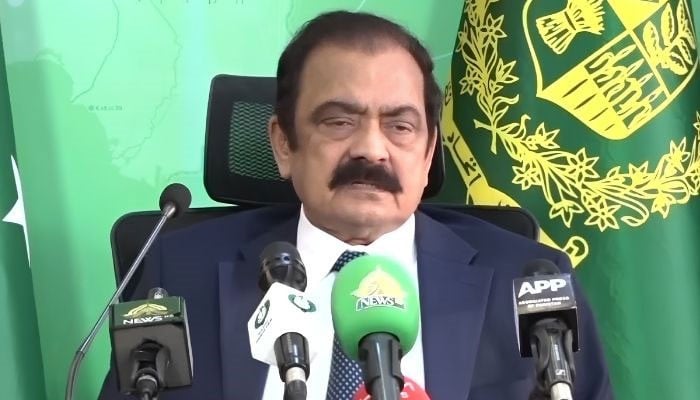
The Core Development
The federal administration in Islamabad has once again extended an olive branch to the opposition Pakistan Tehreek-e-Insaf (PTI), signaling a willingness to engage in structured political dialogue. However, this overture comes with a firm caveat: the ruling coalition has unequivocally stated that national governance and state functions cannot be held hostage to partisan demands. The latest diplomatic maneuver unfolds against a backdrop of intermittent street agitation and legislative gridlock that has paralyzed key policy decisions in the capital. Government spokespersons emphasized that while channels for parliamentary and political communication remain open, the state will not bow to ultimatums that compromise institutional integrity or public order. The timeline of this standoff traces back months of escalating rhetoric, culminating in recent security lockdowns across major urban centers that have severely disrupted public mobility and commercial activity.
Commercial & Economic Implications
For Pakistan's fragile economy, currently navigating a stringent International Monetary Fund (IMF) stabilization program, persistent political volatility translates directly into market jitteriness. Retail trade and wholesale distribution networks in major economic hubs such as Karachi, Lahore, and Faisalabad have repeatedly absorbed the shock of sudden shutdowns and containerized city blocks. Supply chains face intermittent bottlenecks, delaying the transit of essential goods and driving up logistics costs. Inflationary pressures, already burdening urban and rural consumers alike, are exacerbated by supply uncertainty and dampened business confidence. Investors, both domestic and foreign, continue to adopt a cautious wait-and-see stance, delaying capital expenditure and expansion plans until a durable political consensus emerges to secure macroeconomic predictability.
Related Intelligence: UK Green Party Zionism Policy Sparks Deep International and Commercial Debate
Stakeholder Perspectives & Market Reactions
Major trade bodies, chambers of commerce, and industrial associations have expressed deep dismay over the relentless cycle of political confrontation. Representatives from the Federation of Pakistan Chambers of Commerce and Industry (FPCCI) have repeatedly warned that the national economy cannot sustain the collateral damage of protracted political instability. Legal experts and constitutional analysts point out that while dialogue remains the only viable pathway out of the current constitutional impasse, both sides remain deeply polarized over core issues, including electoral transparency and the supremacy of parliament. Public sentiment, reflected in urban consumer surveys, leans heavily toward fatigue, with citizens demanding immediate relief from high utility tariffs and cost-of-living pressures rather than ideological showdowns.
Forward Outlook & Key Watchpoints
As the political landscape remains fluid, market watchers and policy analysts are closely monitoring several critical indicators over the coming weeks. Key watchpoints include the formal establishment of any backchannel communication committees, the government's fiscal management during upcoming parliamentary sessions, and the security posture adopted in major metropolitan areas. If structured talks materialize, market confidence could experience a modest rebound, easing pressures on the local currency and sovereign bonds. Conversely, a breakdown in negotiations followed by renewed street protests would likely trigger immediate security clampdowns, further dampening retail sales, stalling industrial output, and complicating ongoing structural reforms mandated by international lenders.
Join Our Official WhatsApp Channel
Receive live commodity alerts, policy changes, and commercial intelligence directly on WhatsApp.