
Pakistan Drone Acquisition Sparks Geopolitical Intrigue Across South Asia
Pakistan's recent drone procurement deal with a Trump-backed defense contractor featuring former Israeli military leadership introduces complex diplomatic friction across South Asia amid non-recognition policies.
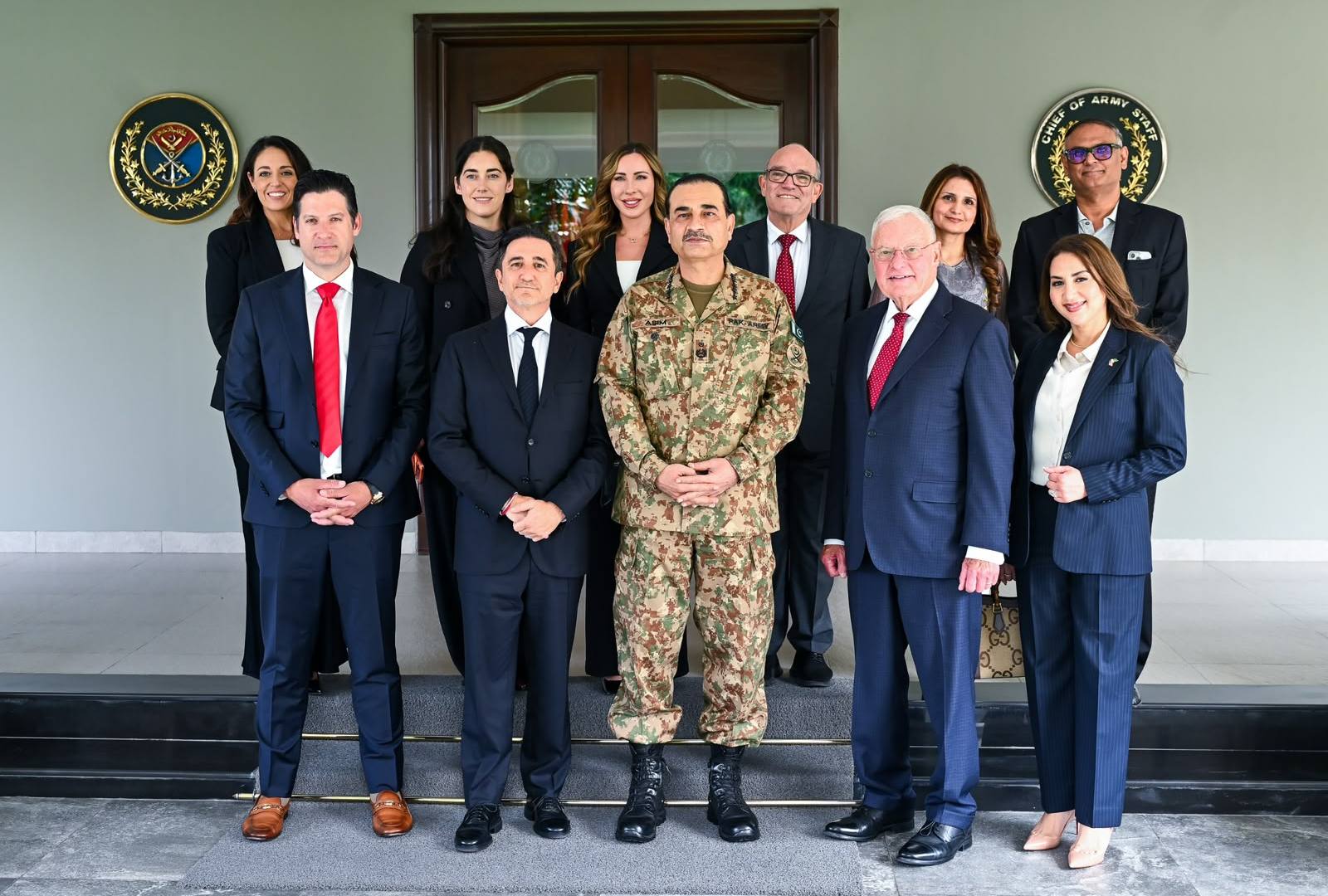
Geopolitical & Core Developments
Islamabad has formalized a significant defense acquisition agreement involving advanced unmanned aerial systems procured through a United States-based manufacturer with notable political backing and ties to former Israeli military personnel. The transaction immediately highlights deep-seated regional contradictions, particularly given that Pakistan maintains a strict policy of non-recognition toward Israel. The defense contractor in question, characterized by executive leadership with historical ties to the Israel Defense Forces, has simultaneously supplied military hardware to regional rival India. This overlapping vendor relationship introduces a profound strategic dilemma for Pakistani policymakers, who must balance urgent modernization requirements for their armed forces against long-standing ideological and diplomatic postures regarding Israel. The procurement timeline reflects accelerating militarization along contested borders, where technological parity remains a central pillar of deterrence strategy between nuclear-armed neighbors.
Global Trade & Economic Ripples
The multi-million-dollar defense contract underscores broader structural shifts within the international arms trade and private military-industrial complex. As venture capital increasingly flows into dual-use and defense technology sectors in the United States, commercial entities are navigating complex geopolitical fault lines to maximize global market penetration. For global commodity markets, heightened security tensions in South Asia directly influence investor sentiment toward emerging market debt and sovereign risk premiums. Shipping lanes traversing the Indian Ocean and Arabian Sea remain vital arteries for international trade, energy shipments, and dry-bulk commodities. Any escalation in bilateral friction between Islamabad and New Delhi, catalyzed by asymmetric warfare capabilities and advanced drone deployments, threatens maritime security and insurance rates across critical trade corridors. Furthermore, defense expenditures continue to strain national exchequers in South Asia, impacting foreign exchange reserves and sovereign credit ratings as governments divert critical capital toward military modernization.
Related Intelligence: PPP Rejects Opposition Long March Amid Economic Stability Concerns
International Reactions & Diplomatic Stances
International observers and multilateral bodies have monitored the transaction closely, noting the intricate web of commercial cross-currents shaping modern defense diplomacy. Washington has largely viewed the transaction through the lens of private enterprise and regional stability maintenance, though strategic analysts point out the inherent diplomatic risks of supplying adversarial states through a common commercial pipeline. In domestic political circles within Pakistan, the revelation of the supplier's executive lineage has triggered intense debate regarding transparency in defense procurement and adherence to foundational foreign policy doctrines. Meanwhile, defense analysts in New Delhi are evaluating the technological specifications of the newly acquired systems to ensure continued qualitative military edge, emphasizing the delicate balance of power maintained through Western defense exports to both nations.
Strategic Outlook & Future Scenarios
The long-term trajectory of this defense procurement points toward an intensification of the drone arms race across South Asia, with asymmetric intelligence, surveillance, and reconnaissance capabilities becoming decisive factors in regional conflict deterrence. Upcoming bilateral diplomatic summits and international security forums will likely address the regulatory oversight of private defense contractors operating across opposing geopolitical blocs. As sanctions frameworks, export controls, and technology transfer policies tighten globally, defense manufacturers face mounting scrutiny regarding end-user monitoring and geopolitical sensitivities. For Pakistan, successfully absorbing these advanced systems while managing domestic political sensitivities will require deft diplomatic navigation. The overarching risk remains that rapid technological proliferation without robust bilateral confidence-building measures could lower the threshold for military miscalculation, impacting regional economic stability and international trade flows for the foreseeable future.
Join Our Official WhatsApp Channel
Receive live commodity alerts, policy changes, and commercial intelligence directly on WhatsApp.