
Pakistan Cuts Fuel Prices as Global Markets Stabilize
The Pakistani government has announced minor reductions in petrol and high-speed diesel prices, offering slight relief to inflation-burdened consumers following global market trends.
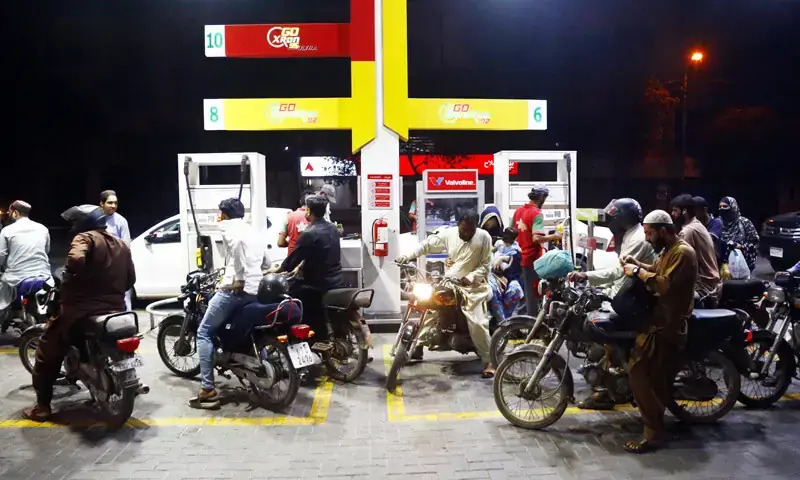
The Core Development
The Government of Pakistan, acting on the recommendations of the Oil and Gas Regulatory Authority (OGRA), has announced a downward revision in the ex-depot prices of key petroleum products. According to the official notification issued by the Ministry of Energy, the price of petrol has been reduced by Rs1.70 per litre, while High-Speed Diesel (HSD) has witnessed a more substantial decrease of Rs3.12 per litre. This bi-weekly price adjustment takes immediate effect across the country, serving as the latest update in the ongoing management of domestic energy pricing relative to international crude fluctuations.
The revision comes on the back of moderate stabilization in global oil markets over the preceding fortnight. OGRA's pricing computation factored in the average international prices of refined products, premium costs incurred by Pakistan State Oil (PSO), and the prevailing exchange rate of the Pakistani Rupee against the US Dollar. While the cuts are modest compared to the steep inflationary hikes witnessed in previous quarters, they mark a welcome reversal for a populace grappling with high energy costs. Administrative machinery across provinces has been mobilized to ensure that the revised rates are strictly implemented at retail fuel stations, with oil marketing companies directed to display updated price boards prominently.
Commercial & Economic Implications
For Pakistan's broader economy, fuel price adjustments carry profound implications for the transport, agricultural, and manufacturing sectors. High-Speed Diesel, in particular, serves as the lifeblood of commercial transport and agricultural mechanization, powering trucks, buses, tractors, and tubewells. The Rs3.12 per litre reduction in HSD is expected to exert a mild downward pressure on freight charges and logistics costs, which have historically been major drivers of food and non-food inflation in the country.
At the retail level, businesses dealing in wholesale distribution and supply chain logistics anticipate marginal relief in operational expenditures. However, economists and market analysts at Kalyar Traders note that the secondary impact on consumer goods prices may take several weeks to materialize. Retailers often factor in previous high inventory costs before passing on savings to end-consumers. Furthermore, while the reduction offers a psychological breather to the inflation-weary middle class, sustained macroeconomic recovery will require deeper structural reforms in the energy sector, including addressing circular debt and rationalizing heavy taxation on petroleum levies.
Related Intelligence: Finance Ministry Rejects IMF Petroleum Levy Claims As Misleading
Stakeholder Perspectives & Market Reactions
Reaction from trade bodies, transport associations, and consumer rights groups has been cautiously measured. While representatives of goods transporters acknowledged the reduction as a positive step, many argued that the scale of the relief is insufficient given the cumulative tax burden on petroleum products. Petroleum dealers and pump owners have emphasized the need for consistent supply chain margins, urging the government to ensure that inventory losses during price transitions are minimized.
Meanwhile, opposition figures and independent financial analysts have scrutinized the pricing formula, calling for greater transparency regarding the calculation of petroleum development levies and customs duties. Official statements from the Ministry of Finance maintain that the current pricing mechanism strikes a delicate balance between passing international relief to citizens and meeting revenue collection targets agreed upon under international financial monitoring programs.
Forward Outlook & Key Watchpoints
Looking ahead, market participants will closely monitor upcoming global OPEC+ policy decisions, geopolitical developments in the Middle East, and foreign exchange reserve stability, all of which dictate the trajectory of future domestic fuel reviews. The government's ability to maintain these lower price thresholds will depend heavily on currency retention and global commodity trends.
For businesses and consumers alike, the upcoming fortnightly review will serve as a critical barometer of economic direction. Regulatory bodies will continue to monitor compliance at retail outlets, with strict penalties announced for any fuel stations attempting delay tactics in passing on the notified rates.
Join Our Official WhatsApp Channel
Receive live commodity alerts, policy changes, and commercial intelligence directly on WhatsApp.